Newborn Travel Essentials: Your Complete Guide to Stress-Free Journeys
Traveling with a newborn can feel overwhelming, but the right gear makes all the difference. From car seats that double as travel systems to portable sleep solutions, this guide covers everything you need to keep your baby safe, comfortable, and calm — whether you're heading to grandma's house or boarding a plane for the first time as a family.
Why Travel Gear Matters for Newborns
Newborns have very specific needs during travel: they need to stay safely restrained in a car, have a flat surface for sleep, and remain protected from weather and germs. Unlike older babies, newborns can't regulate their body temperature well, and their immune systems are still developing. The right travel essentials address these needs without adding unnecessary bulk to your trip.
Before you start packing, it helps to understand the broader list of necessary items for newborn care so you can separate true travel must-haves from items that can stay home. Similarly, our guide to newborn must-haves gives you a baseline for everyday gear that often overlaps with travel needs.
For parents planning to travel light, learning how to choose a comfortable pack and play for sleeping can solve both the sleep and play needs in one portable package.
The Core Travel System: Car Seat and Stroller
The foundation of any newborn travel setup is a car seat that meets current safety standards and a stroller that works with it. Many parents choose a travel system — a car seat that clicks directly into a stroller frame — to avoid disturbing a sleeping baby during transfers.
When researching, look for newborn car seats with a proper recline angle, removable infant inserts, and a five-point harness. For families that want a combined solution, our breakdown of the newborn car seat and stroller pairing explains what to look for in a compatible set.
Parents who anticipate frequent long drives should also read our guide to the most comfortable car seat for long trips, which covers padding, airflow, and ease of installation. And if you're planning to transition to a convertible seat early, the most comfortable convertible car seat options are worth reviewing for their newborn-friendly inserts and recline ranges.
For city dwellers or families who travel by taxi and rideshare, a newborn sling carrier can be an excellent secondary option for short trips where a stroller is impractical.
Sleep Away From Home
Newborns sleep a lot — often 14 to 17 hours a day — so a consistent, safe sleep surface is non-negotiable when traveling. A portable bassinet or a pack and play with a bassinet insert is the most common solution. Pair it with a comfortable pack and play mattress to improve comfort on longer trips without compromising safety.
If you're staying in a hotel or Airbnb, check whether a crib is available, but always inspect it for safety before use. Bringing your own newborn crib is rarely practical for travel, but a lightweight travel bassinet that meets safety standards is a worthwhile investment.
For overnight travel or naps on the go, a newborn sleeping in swing setup is not recommended for unsupervised sleep, but swings can be useful for short, supervised calming sessions during travel days.
Clothing and Weather Protection
Layering is key for newborn travel. Choose soft, breathable fabrics and pack one extra outfit per day plus two spare sets for unexpected messes. A newborn swaddle blanket doubles as a nursing cover, stroller shade, and emergency burp cloth. For colder destinations, a newborn wearable blanket keeps baby warm without loose bedding.
If your trip involves holiday photos or a family gathering, a newborn coming home outfit or a gender-neutral coming home outfit can be packed as a special set. For parents who love matching looks, newborn and mom matching pajamas are a fun, practical choice for travel nights.
Our newborn clothing essentials guide helps you build a travel capsule wardrobe that covers all weather scenarios without overpacking.
Feeding and Diapering on the Go
Feeding gear depends on whether you're breastfeeding, pumping, or formula feeding. Breastfeeding parents should pack a nipple cover for breastfeeding for privacy during travel and a manual or battery-powered pump as backup. If you use formula, our guide to the most recommended formula milk for newborn can help you choose a brand that's easy to mix and store on the road.
Diapering is unavoidable during travel. Pack a wet bag, a changing mat, and enough newborn diapers for the duration of the trip plus two days' buffer. For environmentally conscious families, newborn disposable diapers with biodegradable options are worth considering, and our eco-friendly disposable diapers guide highlights the best options in the premium tier.
For cloth-diapering families traveling with a newborn, newborn cloth diapers with umbilical cord cut-out are designed to avoid irritation during the first weeks.
Health and Safety Gear
A well-stocked travel health kit is essential. Include a most accurate infant thermometer for quick checks, a newborn snot sucker for congested little noses, and a non-contact infrared body thermometer as a backup for quick, hands-free readings.
If you're flying, newborn noise-cancelling headphones can help protect sensitive ears during takeoff and landing. For car travel, always double-check that your car seat is properly installed and that the harness is snug — our most comfortable and safe convertible car seat guide includes installation tips for travel scenarios.
Pack a small first-aid kit with baby-safe antiseptic, gauze, and a nasal aspirator. If your baby is prone to diaper rash, include a most effective diaper rash treatment in your travel bag.
Comfort Items and Entertainment
Newborns don't need much entertainment, but familiar comfort items help them settle in new environments. A newborn blanket with name adds a personal touch and doubles as a security object. A newborn bouncer seat is portable enough for some trips and gives you a safe place to set baby down while unpacking.
For visual stimulation during wake windows, a small selection of newborn toys — high-contrast cards or soft rattles — packs easily. And if you're documenting the trip, a newborn milestone blanket makes for great travel photos.
Our newborn books guide suggests a few board books that are lightweight and durable enough for travel.
How to Choose Your Newborn Travel Essentials: A Tiered Approach
Travel gear falls into three broad tiers based on build quality, features, and intended use. Use this framework to prioritize your purchases:
| Tier | Best For | What to Expect |
|---|---|---|
| Essential Tier | Occasional trips, short getaways | Basic safety features, lightweight materials, fewer adjustable components |
| Balanced Tier | Frequent travelers, multi-use gear | Better padding, easier installation, compatible with multiple stroller frames |
| Top-Tier | Frequent flyers, long road trips | Premium fabrics, advanced safety systems, travel-friendly folding mechanisms |
Most families find that a balanced-tier travel system covers the majority of trips, while a top-tier car seat is worth the investment if you drive often. Essential-tier gear is fine for grandparents' houses or backup setups.
Packing Checklist for Newborn Travel
- Car seat — properly installed, with infant insert if needed
- Stroller or carrier — lightweight and easy to fold
- Portable sleep solution — bassinet or pack and play with mattress
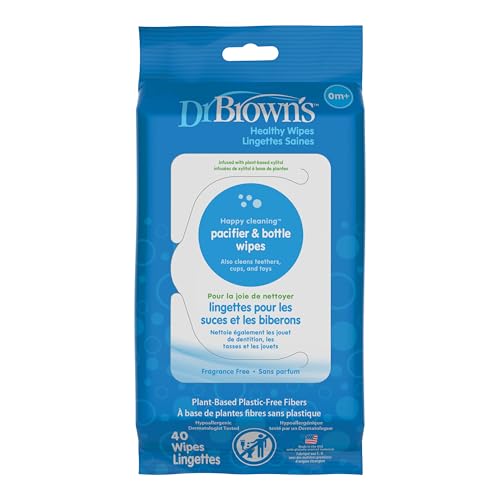
- Diapers and wipes — two days' buffer beyond trip length
- Feeding gear — bottles, formula or pump, nursing cover
- Clothing — layered outfits plus two spare sets
- Swaddle or wearable blanket — for sleep and stroller use
- Health kit — thermometer, snot sucker, first-aid basics
- Comfort items — named blanket, small toys, books
For a deeper dive into everyday newborn items that overlap with travel, see our necessary items for newborn checklist.
Frequently Asked Questions
Can a newborn travel by car?
Yes, but only in a properly installed rear-facing car seat with a five-point harness. Newborns should never travel in a car seat that isn't correctly reclined or secured. Consult your pediatrician before long trips.
What is the minimum age for air travel with a newborn?
Most airlines allow newborns from 2 days old, but pediatricians generally recommend waiting until 2–4 weeks to reduce germ exposure. Always check with your airline and doctor.
Do I need a travel crib for a newborn?
A portable bassinet or pack and play with a bassinet insert is the safest and most practical option. Avoid using hotel cribs without inspecting them first.
How do I keep a newborn warm during winter travel?
Use layers, a wearable blanket, and a stroller footmuff. Avoid thick coats under car seat harnesses — they compromise safety. A newborn wearable blanket is a safer alternative.