
Baby Thermometers Guide: Accurate, Fast & Reliable
Choosing the right thermometer for your baby is essential. Compare types, accuracy, and features to find the best fit for your family.
Why the right baby thermometer matters: A fever is often the first sign of illness in infants. Having a reliable thermometer at home gives you peace of mind and helps you make informed decisions about your baby’s health. From digital rectal thermometers for newborns to forehead and ear thermometers for toddlers, each type serves a unique purpose. This guide breaks down the pros, cons, accuracy, and price of each, so you can choose confidently.
Types of Baby Thermometers
🌡️ Rectal (Digital)
Accuracy: ★★★★★ (Gold standard)
Best for: Newborns & infants (0–12 months)
Rectal thermometers provide the most accurate core temperature reading. They are recommended by pediatricians for babies under 3 months.
- Fast reading (10–30 seconds)
- Soft, flexible tip for safety
- Requires lubrication for comfort
Price range: $10–$25
🌡️ Forehead (Temporal Artery)
Accuracy: ★★★★☆ (Good)
Best for: Babies 3 months+ and toddlers
Non-invasive and quick, forehead thermometers measure heat waves from the temporal artery. Great for fussy children.
- Contact or no-contact options
- Fast reading (1–5 seconds)
- Easy to use while sleeping
Price range: $25–$60
🌡️ Ear (Tympanic)
Accuracy: ★★★★☆ (Good)
Best for: Toddlers & older children (6 months+)
Ear thermometers measure infrared heat from the eardrum. They are fast but require correct positioning for accuracy.
- Fast reading (1–2 seconds)
- Disposable probe covers for hygiene
- Not recommended for newborns
Price range: $30–$70
🌡️ Armpit (Axillary)
Accuracy: ★★★☆☆ (Fair – less reliable)
Best for: Screening in older children
Axillary thermometers are placed under the arm. They are non-invasive but less accurate than rectal or ear methods.
- Safe and easy to use
- Good for quick screening
- May require holding still for 1–2 minutes
Price range: $8–$20
Quick Comparison
| Type | Accuracy | Speed | Age Range | Price |
|---|---|---|---|---|
| Rectal | ★★★★★ | 10–30 sec | 0–12 mo | $10–$25 |
| Forehead | ★★★★☆ | 1–5 sec | 3 mo+ | $25–$60 |
| Ear | ★★★★☆ | 1–2 sec | 6 mo+ | $30–$70 |
| Armpit | ★★★☆☆ | 60–120 sec | All ages | $8–$20 |
How to Choose the Best Thermometer for Your Baby
Consider these factors:
- 👶 Age: Rectal for newborns, forehead/ear for toddlers
- ⚡ Speed: Forehead/ear are fastest (1–5 sec)
- 🎯 Accuracy: Rectal is most reliable
- 🧼 Hygiene: Probe covers for ear, easy-clean digital
- 💤 Ease of use: Forehead for sleeping babies
- 💰 Budget: $10–$70 depending on features
For a comprehensive approach, many parents keep a rectal thermometer for newborns and a forehead or ear thermometer for older babies – covering both accuracy and convenience.
🌡️ Expert Tips for Accurate Readings
- Wait 15–20 minutes after feeding, bathing, or exercise before measuring temperature.
- Clean the thermometer before and after each use with soap and water or alcohol.
- For rectal use: Lubricate the tip with petroleum jelly for comfort and insertion.
- For ear thermometers: Gently pull the ear back to straighten the ear canal for an accurate reading.
- For forehead thermometers: Ensure the sensor is clean and scan across the temporal artery area.
- Always check the manufacturer’s instructions for proper use and care.
🚨 When to Contact a Pediatrician
Fever in babies can be serious. Seek medical advice if:
- 👶 < 3 months: temperature ≥ 100.4°F (38°C)
- 👶 3–6 months: temperature ≥ 101°F (38.3°C)
- 👶 6+ months: temperature ≥ 102°F (38.9°C)
- 😟 Fever that lasts more than 3 days
- 😴 Baby is lethargic, irritable, or not drinking
- 💨 Difficulty breathing or unusual rash
Always trust your instincts: If something feels wrong, call your pediatrician.
Frequently Asked Questions
What is the most accurate type of baby thermometer?
Rectal thermometers are considered the gold standard for accuracy in infants and newborns, providing the most reliable core temperature reading.
Can I use an ear thermometer on a newborn?
Ear thermometers are generally not recommended for newborns under 3 months due to the small size of the ear canal and the potential for inaccurate readings.
Are forehead thermometers accurate for babies?
Yes, temporal artery (forehead) thermometers offer good accuracy and are non-invasive, making them a convenient option for quick temperature checks in older babies and children.
How do I take a rectal temperature safely?
Lubricate the tip with petroleum jelly, place your baby on their back with legs bent, gently insert the thermometer about 0.5–1 inch, and hold until it beeps.
What temperature is a fever in a baby?
A fever is generally considered a temperature of 100.4°F (38°C) or higher in infants. Consult your pediatrician for specific guidance based on age.
Ready to Choose the Best Thermometer?
Explore top-rated baby thermometers from trusted brands. Accurate, fast, and reliable – find the perfect one for your little one.
Shop ThermometersTop-Rated Baby Thermometers
⚠️ AFFILIATE DISCLOSURE: This website contains affiliate links. As an Amazon Associate, we earn from qualifying purchases. If you make a purchase through these links, we may receive a small commission at no additional cost to you. Read our full affiliate policy.
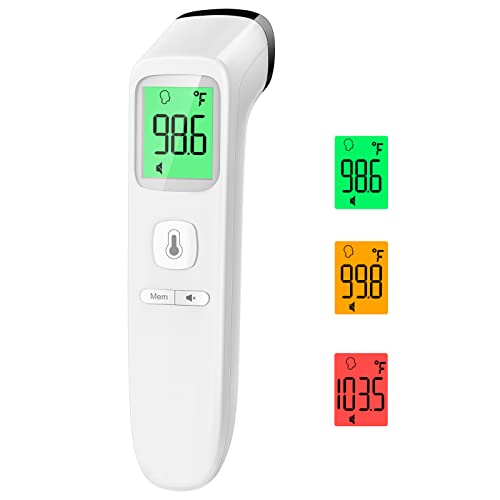
Goodbaby No-Touch Thermometer for Adults and Kid, Accurate Baby Thermometer | 1s Fast Reading, Fever Alarm, Silent Mode, 35-Reading Memory, Forehead & Object Mode, AAA Battery Included, for Home & Clinic

Non-Contact Forehead Thermometer for Adults and Kids, 1 Second Result | Accurate Reading with Large Display, Mute Mode, Memory Recall, Fever Alarm, Easy to use for Home & Hospital

Boncare 10 Seconds Oral Thermometer for Adults and Kids, Light Blue | Accurate & Safe, Rectal Digital Thermometer for Baby, Fever Alarm
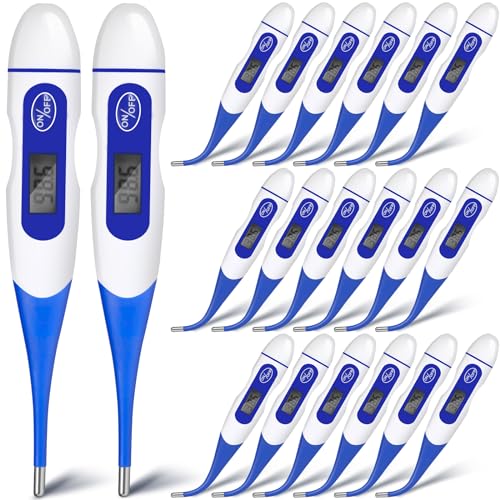
TrelaCo 20 Pcs Digital Thermometers, Oral Fast Reading, Blue | Fever Basal Temperature Measurement, Flexible Tip Underarm Rectal Oral, Thermometer for Adults

Forehead Thermometer for Adults and Kids, Non Contact, Fast Accurate Result | 3-Color Fever Alarm, 35 Memory Recalls, 1s Result, 2-in-1 Mode, Silent Mode, Large & Clear Backlit Display, FSA Eligible
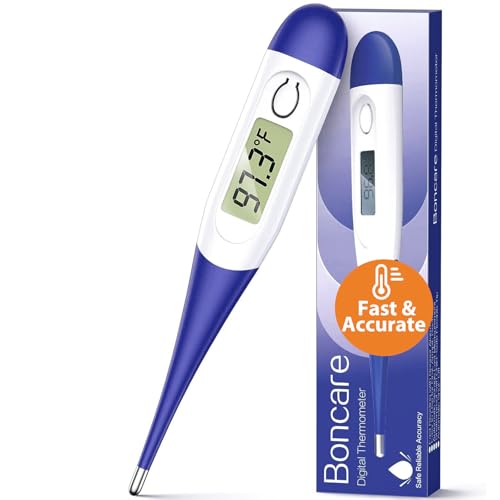
Boncare Digital Thermometer for Adults, Kids & Babies, Dark Blue | Accurate & Safe Oral and Rectal Thermometer with 10-Second Reading and Fever Alarm

Vicks SpeedRead Digital Thermometer for Baby, Kids & Adults | Color-Coded Readings in 8 seconds, Oral, Baby Rectal Thermometer or Under The Arm, Water Resistant
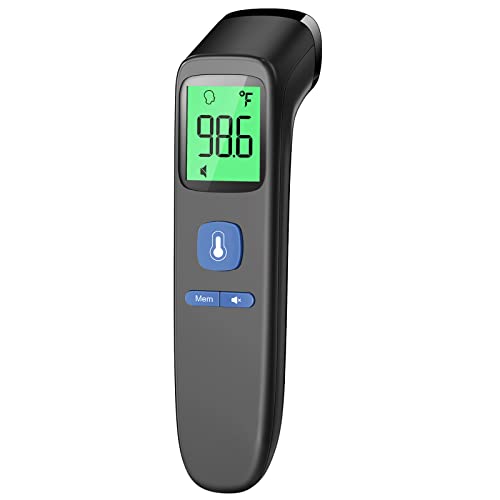
No-Touch Thermometer for Adults, Kids, Babies, 1-Sec Fast Accurate (Black) | Fever Alarm, Large LCD with 3-Color Backlight, Silent Mode, 35-Reading Memory, Forehead & Object Mode, for Home & Clinic
Disclaimer
Baby product selection and parenting decisions involve personal preferences and individual circumstances. The information provided on CradleCheck is for educational and informational purposes only. We are not medical professionals, and our content should not replace professional medical advice, diagnosis, or treatment. Always consult with your pediatrician or healthcare provider regarding your baby's health and safety. Some content may use AI assistance. Always check product safety standards and recalls before purchasing. If you do not agree, please do not use this website. Read the full disclaimer.