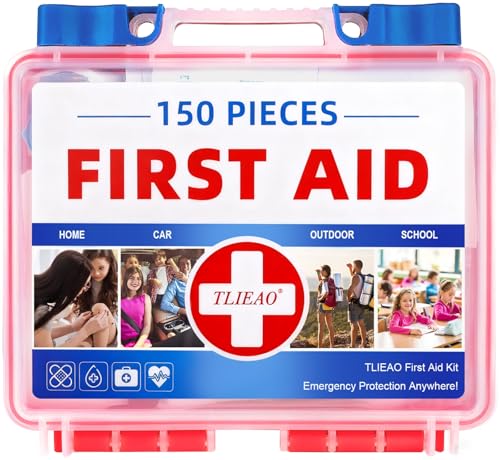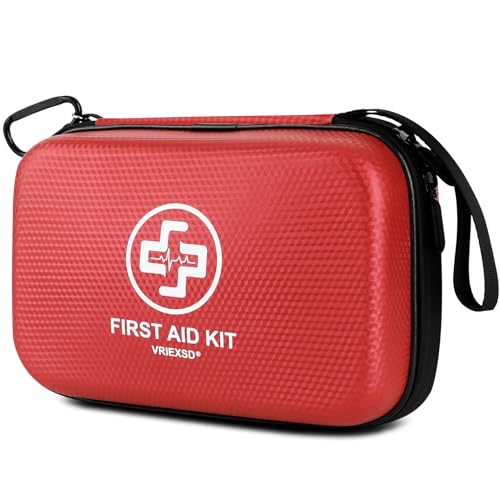
Complete First Aid Kit Guide for Babies & Kids
Be prepared for every boo-boo, bump, and emergency. Learn what to include in your baby first aid kit, how to choose the best ready-made kits, and essential safety tips for every family.
Why a Dedicated Baby First Aid Kit Matters: Babies and young children have unique medical needs. A standard home first aid kit may not include the right tools, medications, or dosages for little ones. Having a specialized kit ensures you're ready for common childhood injuries and emergencies, whether at home or on the go.
What to Look for in a Baby First Aid Kit
When shopping for a first aid kit for your baby or child, there are several key factors to consider. The best kit is age-appropriate, well-organized, and stocked with high-quality supplies. Whether you're a first-time parent or adding to your existing safety gear, understanding what makes a great kit will help you make the right choice. For comprehensive home safety, you may also want to explore our guides on baby proofing tools and baby gates to create a safer environment.
🩹 Age-Appropriate Supplies
Babies have delicate skin and bodies. Look for kits that include items specifically designed for infants and toddlers, such as:
- Infant acetaminophen or ibuprofen (with dosage chart)
- Pediatric bandages and gauze
- Infant thermometer (digital or ear)
- Nasal aspirator or bulb syringe
📦 Organization & Portability
A well-organized kit saves precious time in an emergency. Look for:
- Clear compartments or labeled sections
- Compact size for home and travel use
- Durable, waterproof case
- Easy-to-open zipper or latch
📋 Complete Contents
A comprehensive kit should cover a wide range of common injuries and ailments:
- Cuts, scrapes, and burns
- Fever and pain management
- Allergic reactions (with antihistamine)
- Insect bites and stings
🔒 Safety & Quality
Ensure the supplies are safe and reliable:
- Latex-free materials
- FDA-approved or compliant items
- Sterile packaging
- Expiration dates clearly marked
✅ Essential Items for Your Baby First Aid Kit
Whether you build your own kit or buy a pre-assembled one, make sure it includes these must-have items:
Ready-Made vs. DIY First Aid Kits
One of the first decisions you'll face is whether to buy a pre-assembled kit or build your own. Each option has its pros and cons, and the right choice depends on your needs, budget, and confidence level.
🛒 Ready-Made Kits
- ✓ Convenient and time-saving
- ✓ Professionally curated contents
- ✓ Compact and travel-friendly
- ✓ Great for new parents
🧰 DIY Kits
- ✓ Fully customizable to your needs
- ✓ Can use trusted brands you prefer
- ✓ Often more cost-effective
- ✓ Best for parents with specific needs
💡 Smart Tips for First Aid Readiness
- Store it properly: Keep your first aid kit in a cool, dry place out of reach of children, but easily accessible to adults.
- Check expiration dates: Regularly review and replace expired medications and supplies, at least twice a year.
- Take a class: Consider taking a pediatric first aid and CPR course – it's one of the best investments you can make for your child's safety.
- Update as your child grows: As babies become toddlers, their needs change. Update your kit with age-appropriate supplies.
- Have a travel kit: Keep a smaller, portable version in your diaper bag or car for emergencies on the go.
Be Prepared, Stay Confident
A well-stocked first aid kit is an essential part of baby safety. Whether you choose a ready-made kit or build your own, the most important thing is that you have the right supplies on hand when you need them. Paired with knowledge and a calm approach, you'll be ready to handle minor injuries and emergencies with confidence.
For more safety essentials, explore our guides on baby monitors for peace of mind and baby thermometers to track your little one's health. And don't forget to check our comprehensive baby registry checklist to ensure you have all the essentials for your new arrival.