Baby Bottles Buying Guide: Find the Perfect Bottle for Your Baby
Choosing the right baby bottle is one of the most important decisions for new parents. From materials to anti-colic features, we break down everything you need to know to make a confident choice.
SHOP TOP-RATED BOTTLESWhy this guide matters: Not all baby bottles are created equal. The right bottle can reduce gas, support breastfeeding transitions, and make feeding time smoother for both you and your baby. We've analyzed dozens of options to bring you the most reliable information.
Types of Baby Bottles: Which Material Is Best?
Glass Bottles
$8–$18 per bottle
Glass is durable, free from BPA and toxins, and easy to clean. It heats evenly and doesn't retain odors. However, it's heavier and breakable. Ideal for home use and parents who prioritize purity.
Silicone Bottles
$12–$25 per bottle
Soft, squeezable, and lightweight. Silicone is safe, durable, and naturally anti-colic. It's a great option for self-feeding babies and travel. Some models are collapsible for portability.
Plastic (BPA-Free)
$5–$15 per bottle
Lightweight and affordable, BPA-free plastic is the most common choice. Look for PP (polypropylene) or PPSU (polyphenylsulfone) for maximum safety and durability. Many come with anti-colic venting systems.
Stainless Steel
$20–$40 per bottle
Durable, temperature-retaining, and eco-friendly. Stainless steel bottles keep milk warm or cold for longer. They are virtually unbreakable and free from chemicals, making them perfect for on-the-go families.
Key Features: Anti-Colic, Nipple Flow & More
Anti-Colic Systems
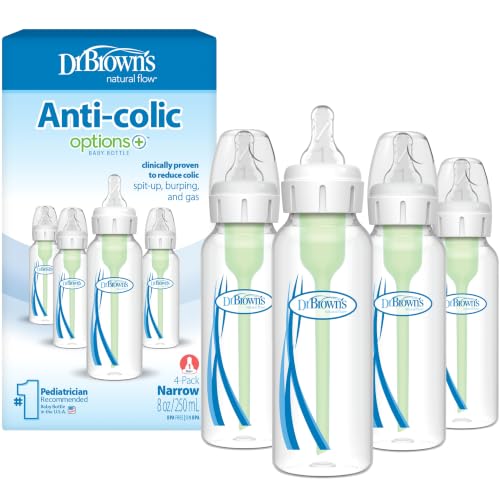
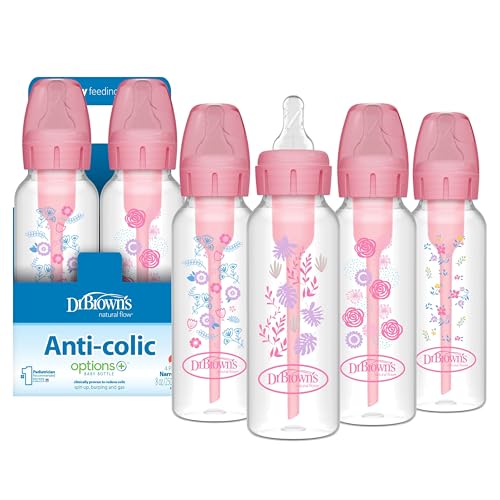
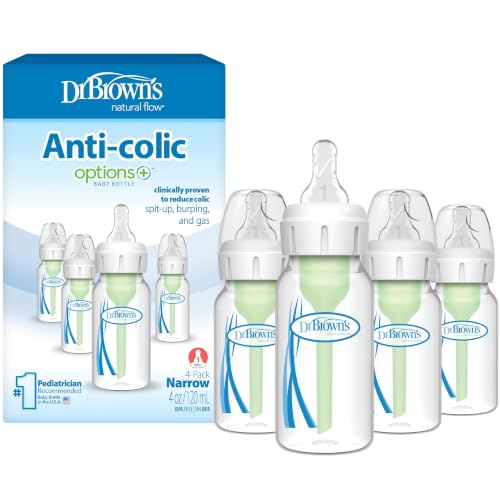
Venting tubes, air-free nipples, and angled designs reduce air intake, minimizing gas and fussiness. Look for vents that are easy to clean.
Nipple Flow Rates
Slow, medium, and fast flow nipples match your baby's age and feeding pace. Newborns need slow flow to prevent choking, while older babies need faster flow.
Bottle Shape & Grip
Ergonomic, angled, or wide-neck designs make it easier for babies to hold and for parents to clean. Some mimic the breast shape for easier transition.
Ease of Cleaning
Wide necks and simple designs are easier to scrub. Some are dishwasher-safe and compatible with bottle sterilizers for thorough sanitation.
Top-Rated Baby Bottles Comparison
*Prices are approximate and based on current market averages. Actual prices may vary.
Expert Tips for Bottle Feeding Success
- Choose the right nipple flow: Start with slow-flow nipples for newborns and switch to medium or fast flow as your baby grows.
- Paced bottle feeding: Hold the bottle horizontally to let your baby control the flow, which reduces gas and mimics breastfeeding.
- Sterilize regularly: Boil or use a bottle sterilizer for the first 3 months to prevent bacteria. After that, hot soapy water is sufficient.
- Bottle warmers vs. warm water: Use a bottle warmer for consistent temperature, or warm water bath. Never microwave.
- Transitioning from breastfeeding: Choose a bottle with a wide, breast-like nipple (like Comotomo or Philips Avent) to make the switch easier.
Eco-Friendly & Budget-Friendly Choices
Eco-friendly: Glass and stainless steel are reusable for years, reducing waste. Silicone is also durable and recyclable. Pair with storage solutions to keep your nursery organized.
Budget-friendly: BPA-free plastic bottles are affordable and widely available. Consider buying multipacks to save money. Check out our baby budget guide for more cost-saving tips.
When to replace baby bottles: Replace plastic bottles every 3–6 months or when you see cracks, scratches, or cloudiness. Glass and stainless steel can last longer but check nipples regularly for wear. Always follow safety guidelines for baby feeding.
Frequently Asked Questions
How many baby bottles do I need? 6–10 bottles are recommended to avoid constant washing, especially for newborns.
Can I mix different bottle brands? Yes, but be aware that nipples and caps may not be interchangeable. Stick to one system for simplicity.
Are glass bottles safer than plastic? Glass is chemical-free and durable, but plastic is lighter and less breakable. Both are safe when BPA-free and properly maintained.
Do I need a bottle warmer? Not essential, but convenient. A bottle warmer heats milk evenly and quickly, saving time during night feedings.