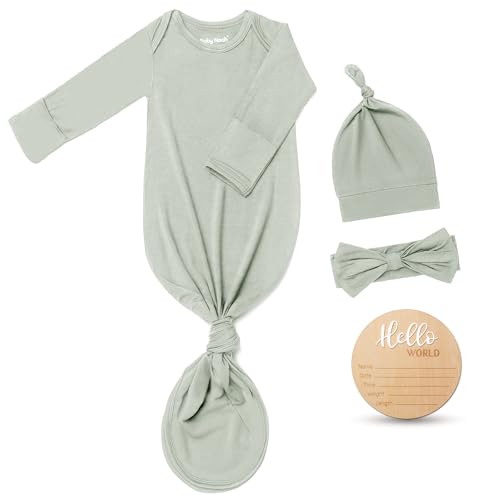
Gender Neutral Newborn Coming Home Outfit: The Complete Guide
Everything you need to choose a safe, comfortable, and photograph-ready first outfit — from fabric and fit to layering for the weather and packing it all in your hospital bag.
Why this guide matters: The outfit your baby wears home is more than a cute detail — it is the first garment that must work with a car seat, regulate a newborn's temperature, and feel gentle against brand-new skin. If you are still expecting and building your list, this guide pairs well with our broader necessary items for newborn checklist and our newborn clothing essentials overview.
Why Choose a Gender-Neutral Coming Home Outfit?
Gender-neutral newborn clothing has moved well beyond plain white. Today's neutral palettes — oat, sage, butter yellow, clay, soft gray, and warm cream — look intentional, photograph beautifully, and offer practical advantages that go far beyond aesthetics.
- Reusable for future children. A neutral outfit can be passed down regardless of the next baby's sex, making it a more practical long-term choice.
- Easier gifting. Friends and family who do not know the baby's sex — or who simply prefer not to default to pink or blue — can gift with confidence.
- Photograph-friendly. Neutral tones read well in every season and complement most hospital or home backdrops.
- Focus on comfort. Without gendered design cues, the priority shifts to fabric quality, seams, and fit — exactly what a newborn needs.
If you are exploring the wider category of unisex options, our newborn coming home outfit guide covers the general selection process, while this page goes deeper on neutral styling, layering, and safety.
What to Look for in a Gender-Neutral Coming Home Outfit
1. Fabric and Skin Comfort
Newborn skin is thin and highly permeable, so the fabric touching it matters. Prioritize breathable natural fibers and check for a smooth inner surface at the seams.
- Organic cotton: The most reliable default — breathable, soft, and easy to wash.
- Bamboo viscose or modal blends: Silky-soft and temperature-regulating, though slightly more delicate in the wash.
- Cotton-modal blends: A balanced mid-range option that resists shrinking better than pure modal.
- Avoid: Scratchy wool against the skin, stiff synthetic lace, and any fabric with a rough interior seam or tag.
2. Fit and Closure Design
A coming home outfit should be easy to put on a floppy newborn without pulling arms or legs. Look for:
- Full-front snap or zip closure — ideally a two-way zip so you can change a diaper without undressing the whole baby.
- Integrated fold-over mittens on the sleeves to prevent face scratching.
- Footed legs for warmth, or a gown with an elastic bottom for easy diaper changes.
- Slightly loose fit — not tight at the wrists, ankles, or neck.
3. Car Seat Compatibility
This is the most overlooked factor. The outfit your baby wears home must allow the car seat harness to sit flat against the body. Bulky puffy suits, thick fleece buntings, and heavy blankets under the harness are unsafe.
Car Seat Safety Checklist for the Coming Home Outfit
- Dress baby in a thin base layer plus one footed sleepsuit — no bulky outerwear under the harness.
- Route the harness straps over the outfit and ensure the chest clip sits at armpit level.
- Use a car-seat-safe cover or blanket over the harness, never under it.
- Remove the hat once inside a heated car if the baby feels warm.
- If you are still finalizing your travel gear, review our newborn car seat guidance first.
4. Season and Climate
Layering is the most reliable strategy because hospital rooms, cars, and homes can differ in temperature. The principle is simple: one more layer than an adult would wear in the same conditions.
| Season | Base Layer | Main Outfit | Outer Layer |
|---|---|---|---|
| Warm weather | Short-sleeve cotton bodysuit | Light cotton footed sleepsuit or gown | Thin swaddle |
| Mild weather | Long-sleeve bodysuit | Cotton footed sleepsuit | Cotton swaddle plus hat |
| Cold weather | Long-sleeve bodysuit | Fleece or thick cotton sleepsuit | Hat, mittens, car-seat cover (over harness) |
Building a Complete Gender-Neutral Coming Home Set
A well-planned set removes guesswork on the day of discharge. Below is a practical component list, organized by quality tier rather than by any absolute figure.
| Tier | What It Typically Offers | Best For |
|---|---|---|
| Essential tier | Basic organic cotton bodysuit and footed sleeper, simple snap closures, solid neutral color. | Parents who want reliable basics with minimal complexity. |
| Balanced tier | Two-way zip, fold-over mittens, coordinated swaddle and hat, soft modal blend. | Most families who want comfort plus convenience for photos and travel. |
| Premium tier | Refined stitching, tagless design, matched three-piece set, gift-ready packaging. | Parents planning a keepsake outfit or a memorable hospital photo session. |
The Core Components
- Short-sleeve bodysuit: The base layer that keeps the diaper area covered and the outfit from riding up.
- Footed sleepsuit or gown: The main visual piece — choose a neutral tone with a subtle texture for interest.
- Swaddle or receiving blanket: Doubles as warmth and a photo prop; a plain muslin in a warm neutral works well.
- Soft hat: Standard for hospital discharge; cotton is more comfortable than synthetic fleece against the scalp.
- Scratch mittens: Optional but helpful in the first days.
- Spare outfit: Newborns spit up and leak — pack a second sleepset in the hospital bag.
Neutral Color Palettes That Look Intentional
Neutral does not mean bland. The most photogenic gender-neutral outfits rely on a tight palette of two or three tones with one textural accent.
- Warm neutrals: Oat, cream, camel, and soft terracotta — flattering in every season.
- Cool neutrals: Sage, dusty blue-gray, and warm stone — calm and modern.
- Classic contrast: Cream with charcoal trim, or butter yellow with warm white.
- Texture accents: Waffle knit, ribbed cotton, or a subtle pointelle pattern adds depth without color.
For a broader room-level approach to neutral styling, our nursery decor ideas neutral guide shows how the same palette works across textiles and furniture.
Practical Tips for the Hospital Bag
- Pre-wash everything in a fragrance-free, baby-safe detergent and cut off any internal tags.
- Pack by layer in a labeled pouch: base layer, main outfit, outer layer, spare set — so you are not digging through the bag one-handed.
- Size up if unsure. A slightly loose outfit is safer and easier to put on than one that is too snug; newborns outgrow the smallest size quickly.
- Coordinate with your own going-home outfit. Matching neutral tones create cohesive photos without matching exactly.
- Have a backup plan. Keep a second neutral sleepset in the car in case of a spill on the way out.
If you are assembling your full hospital bag, our must-haves for new moms after delivery guide covers the recovery side of the checklist.
Common Mistakes to Avoid
- Choosing style over safety. A puffy or hooded outfit can interfere with the car seat harness; keep the outfit thin and hood-free under the straps.
- Ignoring the two-way zip. One-way zips mean fully undressing the baby for every diaper change in the first days.
- Skipping the base layer. A bodysuit prevents the sleepsuit from riding up and keeps the diaper area covered.
- Overdressing. Overheating is a real concern; check the back of the neck rather than the hands or feet to judge temperature.
- Forgetting spare clothes. Spit-up and leaks on discharge day are common — pack a second set.
Making It a Keepsake
Many families keep the coming home outfit as a memento. A neutral piece in a classic silhouette ages better than a trend-driven design and can be framed, stored in a memory box, or passed down. If you plan to display it, choose a fabric that holds its shape after washing and avoid prints that fade quickly.
For related keepsake ideas, see our newborn blanket with name and monogrammed newborn outfit guides.
Frequently Asked Questions
Note: Always follow your car seat manufacturer's instructions and your pediatrician's guidance on dressing and temperature regulation for newborns.