Best Baby Lotion: A Complete Guide to Safe, Gentle & Effective Moisturizers
Your baby’s skin is delicate and easily irritated. Choosing the right lotion is essential to keep it soft, healthy, and protected. This comprehensive guide covers the best hypoallergenic, organic, and dermatologist-recommended baby lotions, plus tips to avoid harmful ingredients.
Newborn skin is up to 30% thinner than adult skin, making it more susceptible to dryness, irritation, and rashes. A high-quality baby lotion not only hydrates but also strengthens the skin barrier. Whether you're looking for a fragrance-free formula, an organic option, or a lotion specifically for eczema-prone skin, this guide will help you make the best choice for your little one.
Why Baby Lotion Is More Than Just Moisture
Baby lotion does more than prevent dry skin. It helps maintain the skin's natural pH balance, soothes irritation, and creates a protective layer against environmental stressors. Regular moisturizing from the first weeks of life can reduce the risk of developing common skin conditions like eczema and diaper rash. Look for lotions with ceramides, oat extract, and shea butter – ingredients that mimic the skin's natural lipids.
Ingredients: What to Embrace & What to Avoid
Reading the label is crucial. Many baby lotions contain unnecessary additives that can trigger allergies or disrupt hormones. Below is a quick reference table of safe and unsafe ingredients commonly found in baby moisturizers.
Always choose fragrance-free and dye-free formulas, especially for newborns. The baby soap and shampoo you use also affects skin health – gentle cleansing pairs perfectly with a nourishing lotion.
Types of Baby Lotion: Which One Is Right for Your Baby?
Not all lotions are created equal. Here are the most common types and when to use them:
- Daily Moisturizing Lotion – Lightweight, fast-absorbing, ideal for everyday use after bath time.
- Eczema Cream – Thicker, often contains colloidal oatmeal or ceramides; used for flare-ups and extremely dry patches.
- Organic/Natural Lotion – Made with plant-based ingredients and free from synthetic chemicals; good for environmentally conscious parents.
- Fragrance-Free & Hypoallergenic – Minimally formulated to reduce the risk of allergic reactions; recommended for sensitive skin.
If your baby has persistent dryness or redness, consider a targeted skincare routine that includes both a gentle cleanser and a rich moisturizer. For parents dealing with cradle cap or baby acne, a gentle lotion can also help soothe inflammation.
How to Apply Baby Lotion for Best Results
Pro Tips for Moisturizing Your Baby
- Warm the lotion by rubbing it between your palms before applying – this prevents cold shock.
- Apply immediately after a bath while skin is still slightly damp to lock in moisture.
- Use gentle, circular motions to massage the lotion into the skin; this also promotes bonding and relaxation.
- Don't overdo it – a pea-sized amount is enough for each limb; avoid applying on the face unless the product is specifically designed for facial use.
- Perform a patch test on a small area of skin before using a new product for the first time.
Consistency is key. Make moisturizing part of your daily routine, especially after baths and before bedtime. Pairing a good lotion with a baby massage can improve circulation and help your baby sleep better.
Top Baby Lotions Reviewed (2026)
We’ve analyzed the market to bring you the best baby lotions based on ingredient quality, dermatologist recommendations, and user reviews. Each product listed below is a top performer in its category.
1. Aveeno Baby Daily Moisture Lotion
Key ingredients: Colloidal oatmeal, ceramides, dimethicone. Fragrance-free.
Dermatologist-recommended and clinically proven to soothe and protect dry, sensitive skin. The oatmeal helps retain moisture while ceramides reinforce the skin barrier. Ideal for everyday use.
Price: $8–$12 for 12 oz
2. Cetaphil Baby Daily Lotion
Key ingredients: Shea butter, glycerin, sunflower oil. Fragrance-free, hypoallergenic.
Formulated with organic calendula extract and designed for sensitive skin. Absorbs quickly and leaves skin soft without a greasy feel. A trusted choice for pediatricians.
Price: $7–$10 for 8.5 oz
3. Mustela Hydra Bébé Body Lotion
Key ingredients: Avocado oil, glycerin, ceramides. Natural-origin, fragrance-free.
Enriched with avocado perseose – a patented natural ingredient that helps preserve skin cell integrity. This lotion is lightweight, non-sticky, and perfect for newborns.
Price: $15–$18 for 10.1 oz
4. Eucerin Baby Eczema Relief Cream
Key ingredients: Colloidal oatmeal, ceramides, licochalcone. Fragrance-free, steroid-free.
Specifically formulated for eczema-prone skin. This cream provides 24-hour hydration and helps reduce redness and itching. Clinically tested on babies as young as 3 months.
Price: $12–$16 for 5 oz
5. Babyganics Daily Moisturizer
Key ingredients: Sunflower oil, shea butter, jojoba oil. Plant-based, fragrance-free.
A lightweight, non-greasy lotion made with certified organic ingredients. Contains a blend of antioxidants to protect against environmental damage. Pediatrician-tested.
Price: $10–$13 for 8 oz
6. Burt’s Bees Baby Lotion
Key ingredients: Almond oil, aloe vera, shea butter. Natural, 98% organic.
Free from phthalates, parabens, and petrolatum. The almond oil and aloe work together to hydrate and soothe delicate skin. Has a subtle, pleasant natural scent.
Price: $9–$12 for 7.8 oz
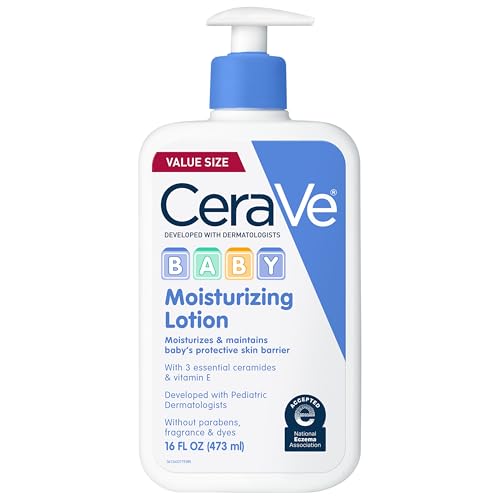
7. CeraVe Baby Lotion
Key ingredients: Ceramides, hyaluronic acid, niacinamide. Fragrance-free, non-comedogenic.
Developed with dermatologists to restore the skin barrier. The unique MVE technology provides long-lasting hydration. Safe for daily use on face and body.
Price: $10–$14 for 8 oz
8. Pipette Baby Lotion
Key ingredients: Squalane, ceramides, shea butter. EWG Verified, fragrance-free.
Made with sugarcane-derived squalane that mimics baby’s natural oils. Lightweight, fast-absorbing, and clinically tested for sensitive skin. A clean, eco-friendly option.
Price: $11–$15 for 8.5 oz
Expert Tips for Choosing the Best Baby Lotion
- Consult your pediatrician if your baby has a known allergy or skin condition like eczema.
- Check for certification – look for seals like EWG Verified, Dermatologist Tested, or USDA Organic.
- Avoid essential oils in lotions for newborns, as they can be sensitizing.
- Store lotion properly – keep away from direct sunlight and extreme temperatures to maintain efficacy.
Quick Checklist Before You Buy
- ☐ Fragrance-free and dye-free
- ☐ Contains ceramides or oatmeal
- ☐ No parabens, phthalates, or mineral oil
- ☐ Suitable for sensitive skin
- ☐ Pediatrician-tested or dermatologist-recommended
For babies with particularly sensitive skin, consider using a gentle baby wipe during diaper changes and follow up with a layer of lotion to protect against moisture loss. And remember, what you apply to your baby’s skin is as important as the food they eat – choosing clean, safe products is an investment in their long-term health.
Final Word: Your Baby’s Skin Deserves the Best
Selecting the right baby lotion doesn't have to be overwhelming. Focus on fragrance-free, hypoallergenic formulas with skin-friendly ingredients like ceramides, oatmeal, and shea butter. Always patch-test new products and introduce them gradually. With the information in this guide, you’re now equipped to make a confident, informed decision.
Ready to buy? Browse the recommended products below – every purchase helps support our independent testing and research. Thank you for trusting CradleCheck.