The Essential Guide to Newborn Wearable Blankets
Discover safe, cozy, and breathable sleep sacks for your baby. Learn how to choose the right TOG rating, materials, and size for peaceful nights.
Start Reading ↓Why Wearable Blankets? Unlike loose blankets, wearable blankets (or sleep sacks) keep your baby warm without the risk of suffocation or overheating. They are a pediatrician-recommended alternative for safe infant sleep.
What Is a Newborn Wearable Blanket?
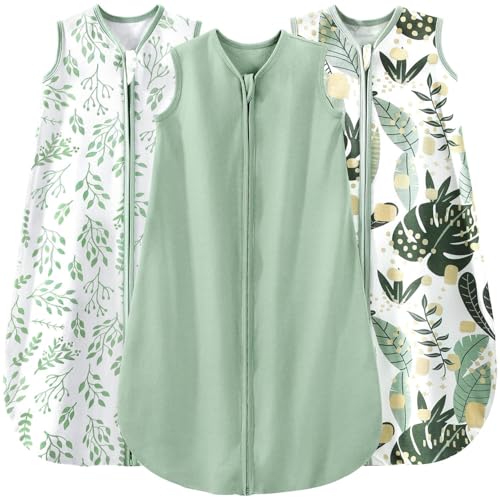
A newborn wearable blanket is a sleeveless, zip-up or snap-on garment designed to replace loose blankets in the crib. It keeps your baby warm while allowing them to move their arms and legs freely. The best wearable blankets are made from breathable fabrics like cotton or bamboo and come in different TOG ratings for various room temperatures.
Unlike traditional swaddles, which restrict arm movement, wearable blankets are ideal for babies who have started rolling or prefer to sleep with their arms out. They are also much safer than loose bedding, which can pose a suffocation hazard.
Why Choose a Wearable Blanket for Your Newborn?
- Safety: Reduces the risk of SIDS (Sudden Infant Death Syndrome) by eliminating loose blankets.
- Consistent Warmth: Keeps your baby at a stable temperature throughout the night.
- Easy Diaper Changes: Most sleep sacks have zippers that open from the bottom for quick changes.
- Transition-Friendly: Perfect for babies who have outgrown the swaddle but still need a sense of security.
- Peace of Mind: No more worrying about your baby kicking off a blanket or getting tangled.
💡 Pro Tip: If your baby is between sizes, choose the larger size to ensure they have enough room to kick and stretch. Always follow the manufacturer's weight and height guidelines.
Understanding TOG Ratings for Baby Sleepwear
TOG stands for "Thermal Overall Grade" – it measures the warmth of a fabric. The higher the TOG, the warmer the sleep sack. Choosing the right TOG ensures your baby doesn't overheat or get too cold.
| TOG Rating | Room Temperature | Best For |
|---|---|---|
| 0.2 – 0.5 TOG | 75°F – 80°F (24°C – 27°C) | Hot summer nights, warm climates |
| 1.0 TOG | 69°F – 74°F (21°C – 23°C) | Mild weather, year-round versatility |
| 2.0 – 2.5 TOG | 61°F – 68°F (16°C – 20°C) | Cooler nights, winter months |
| 3.0 TOG+ | Below 61°F (16°C) | Very cold climates (use with caution) |
Remember: Always dress your baby in a onesie or pajamas underneath the wearable blanket. Adjust the layers based on the TOG rating and room temperature.
Best Materials for Newborn Wearable Blankets
- Cotton: The most common and breathable option. Soft, hypoallergenic, and easy to wash. Great for all seasons.
- Bamboo: Naturally temperature-regulating, antibacterial, and ultra-soft. Perfect for sensitive skin.
- Muslin: Lightweight and breathable, ideal for warmer climates. Gets softer with each wash.
- Wool / Merino: Excellent for temperature regulation and moisture-wicking, but pricier and requires special care.
- Polyester (Fleece): Warm and cozy, but less breathable. Best used in cooler months with a lower TOG layer underneath.
For most climates, a 100% cotton or bamboo-cotton blend wearable blanket with a 1.0 TOG rating is a safe, year-round choice that works well in most homes.
⚠️ Safety Note: Always check that the sleep sack is certified hypoallergenic and flame-retardant (without harmful chemicals). Look for certifications like Oeko-Tex Standard 100.
How to Choose the Right Size
Wearable blankets come in sizes based on your baby's weight and height, not just age. A well-fitted sleep sack should be snug around the chest and shoulders, with extra room in the hips and legs for natural movement.
- Newborn (5–12 lbs): Fits most babies from birth to about 3 months.
- Small (12–18 lbs): Typically fits 3–6 months.
- Medium (16–24 lbs): For 6–12 months.
- Large (22–30 lbs): Suitable for toddlers up to 24 months.
Always check the product's specific size chart. A sleep sack that's too big can bunch up around the baby's face, while one that's too tight can restrict movement and breathing.
Safe Sleep Guidelines for Wearable Blankets
- Always place your baby on their back to sleep – this is the safest position recommended by pediatricians.
- Keep the room temperature between 68°F – 72°F (20°C – 22°C) for optimal sleep comfort.
- Never overdress your baby. If your baby feels hot or sweaty, choose a lower TOG blanket or remove a layer.
- Make sure the sleep sack fits snugly around the neck and armholes to prevent sliding down.
- Discontinue use if your baby can climb out of the crib or if the blanket becomes too small.
- Always check for loose threads or broken zippers that could pose a choking hazard.
By following these guidelines, you can ensure your baby enjoys safe, comfortable sleep every night.
When to Start Using a Wearable Blanket
You can introduce a wearable blanket as soon as your baby moves into a crib, typically around 3–4 months. However, many parents choose to use them from day one, especially if their baby dislikes being swaddled.
If your baby is still swaddled, start transitioning to a wearable blanket when they show signs of rolling over. A wearable sleep sack with a chest wrap or adjustable straps can provide a smoother transition from swaddle to arms-free sleep.
🔄 Transition Tip: Start with one arm out of the swaddle for a few nights, then both arms, then switch to the wearable blanket. This gradual approach helps your baby adjust without disrupting their sleep too much.
Top Newborn Wearable Blanket Picks
After weeks of research, testing, and parent reviews, these are the best-rated wearable blankets available right now. Each product is chosen for its safety, quality, and value.
- Best Overall: Halo SleepSack 100% Cotton – Versatile, breathable, and available in multiple TOG ratings. Price: $25–$40
- Best Budget: Simple Joys by Carter's Wearable Blanket – Affordable, soft, and machine-washable. Price: $18–$25
- Best for Sensitive Skin: Kyte Baby Bamboo Sleep Bag – Ultra-soft, hypoallergenic bamboo fabric, great for eczema-prone babies. Price: $45–$60
- Best Winter Blanket: Baby Deedee Sleep Sack – 2.5 TOG, quilted, and perfect for cooler climates. Price: $35–$50
- Best Transitional Swaddle: Love to Dream Swaddle Up – Allows arms-up position, great for babies who love their hands near their face. Price: $30–$45
All of these sleep sacks are available on Amazon and come with excellent reviews from real parents. Click the links to check current prices and read more reviews.
Frequently Asked Questions
Q: Can my newborn wear a wearable blanket from day one?
A: Yes, many parents use wearable blankets from birth if their baby doesn't like being swaddled. Just make sure it's the right size and TOG rating for your room temperature.
Q: How many wearable blankets do I need?
A: We recommend having at least 2–3 sleep sacks on hand – one for wearing, one for washing, and one as a backup for spills or night-time accidents.
Q: Can I use a wearable blanket in a car seat?
A: No. Wearable blankets are designed for crib sleep only. Never use them in a car seat, stroller, or swing, as they can interfere with the harness and pose a safety risk.
Q: What's the difference between a wearable blanket and a sleepsuit?
A: A sleepsuit is a one-piece pajama with feet and sleeves, while a wearable blanket is a sleeveless, open-bottom sack that replaces a traditional blanket.
Q: Can I use a wearable blanket with a baby monitor?
A: Yes, a wearable blanket is safe to use with a baby monitor. In fact, it gives you peace of mind knowing your baby is warm and covered without the risk of loose bedding.
Make the Switch to Safe, Cozy Sleep
A newborn wearable blanket is one of the best investments you can make for your baby's sleep and safety. It eliminates the dangers of loose blankets, keeps your baby at a comfortable temperature, and gives you peace of mind every night.
Ready to find the perfect sleep sack? Browse our recommended products above and choose the one that best fits your baby's needs and your family's budget.
Remember: A well-rested baby means a well-rested parent. Sleep well, parent well.
Shop Wearable Blankets ↓