Newborn Sling Carrier Guide
Everything you need to know about choosing, using, and loving a newborn sling carrier. Safe, comfortable, and hands-free bonding for you and your baby.
Shop Top-Rated CarriersWhy a newborn sling carrier? Babywearing is one of the most nurturing things you can do for your newborn. A sling carrier keeps your baby close, promotes bonding, and leaves your hands free. This guide walks you through everything you need to make the best choice for your family.
Benefits of a Newborn Sling Carrier
👶 Bonding & Comfort
Skin-to-skin contact and the familiar rhythm of your heartbeat soothe your baby, reducing crying and promoting emotional security.
🖐️ Hands-Free Parenting
Carry your baby while you tend to daily tasks, care for older siblings, or simply enjoy a walk. Your hands are free to do what you need.
🍼 Breastfeeding Friendly
Many slings allow for discreet, hands-free nursing on the go. You can feed your baby comfortably while keeping them supported.
🛡️ Ergonomic Support
Quality sling carriers are designed to support your newborn's natural hip and spine position, reducing the risk of hip dysplasia.
What to Look for in a Newborn Sling Carrier
Choosing the right newborn sling carrier can feel overwhelming with so many options on the market. Here are the key factors to consider:
- Safety First: Look for carriers that support the "M" position (knees higher than bum) to protect your baby's hips. Always ensure your baby's airway is clear and chin is off the chest.
- Material & Breathability: Newborns can overheat easily. Choose a carrier made from breathable, natural fabrics like cotton or bamboo. This is especially important for warmer climates or extended wear.
- Adjustability: Your baby will grow quickly, and your body will change postpartum. Look for a carrier with multiple adjustment points to ensure a perfect fit for both you and your growing baby.
- Ease of Use: Some slings have a learning curve. Consider whether you want a stretchy wrap, a ring sling, or a structured carrier. Each has its own advantages and learning steps.
- Newborn Specificity: Not all carriers are suitable for newborns. Check the weight minimum (usually 7-8 lbs) and ensure the carrier provides proper head and neck support for the tiniest babies.
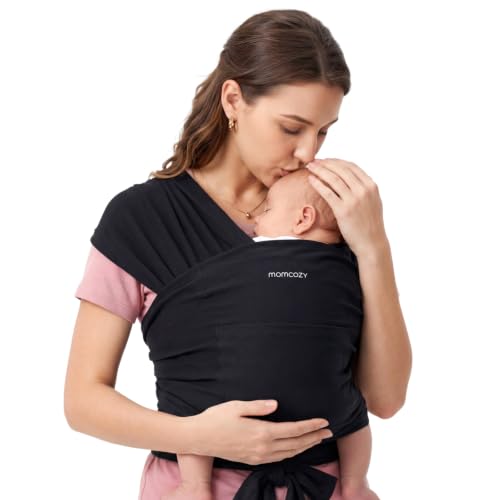
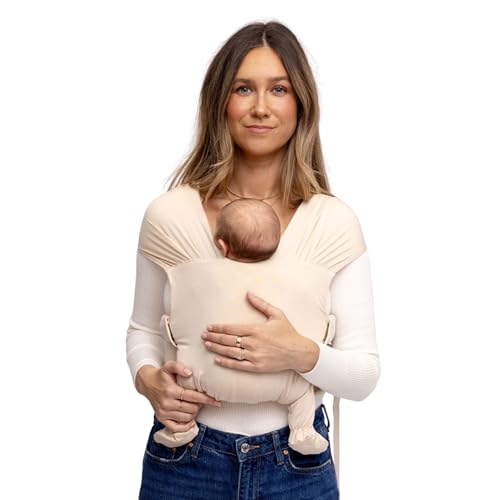
For new parents, a stretchy wrap or ring sling is often the most versatile and comfortable choice for the newborn stage. They mold to your baby's shape and provide a snug, womb-like environment. If you prefer a more structured option, look for a carrier with a newborn insert or a specially designed infant setting.
Safety Tips for Babywearing
Safe babywearing is simple when you follow the T.I.C.K.S. rule:
- Tight: The carrier should be tight enough to hold your baby close, with no sagging fabric.
- In view at all times: You should always be able to see your baby's face and airway.
- Close enough to kiss: Your baby's head should be close enough for you to kiss their forehead.
- Keep chin off chest: Ensure your baby's chin is not resting on their chest to maintain an open airway.
- Supported back: Your baby's back should be supported in a natural, slightly curved position, not completely straight.
Always check the manufacturer's weight and age guidelines. Never use a carrier that is too large or too small for your baby. And remember, practice makes perfect! Try using the carrier over a soft surface (like a bed) until you feel confident.
If you're also preparing for other baby gear, our Baby Registry guide can help you plan your complete newborn essentials list. For sleep safety, check out our Newborn Swaddle Blankets guide, and for feeding, our Breast Milk Storage Bags article is a must-read.
How to Choose Between a Wrap, Ring Sling, and Structured Carrier
Each type has its strengths:
- Stretchy Wrap: The most womb-like feel. Great for newborns and early months. Takes practice to tie, but offers the most versatility and comfort.
- Ring Sling: Quick and easy to use once adjusted. Excellent for breastfeeding and quick ups and downs. Made from woven or cotton fabric.
- Structured Carrier: Best for longer walks and older babies. Offers more back support and is easier to put on quickly. Some models are designed for newborns with special inserts.
Many parents start with a stretchy wrap for the newborn phase and transition to a structured carrier as the baby grows. If you're on a budget, consider buying a used carrier from a reputable source or checking for sales. For more babywearing tips, read our guide on Baby Carriers.
If your baby has specific needs like colic or reflux, a sling carrier can be a game-changer. The upright position and gentle motion often provide significant relief. For more on colic relief, see our Colic Relief page.
Explore more baby essentials: Newborn Clothes | Nail Clippers | Humidifier Guide | Swaddle Tips | Rocking Chair