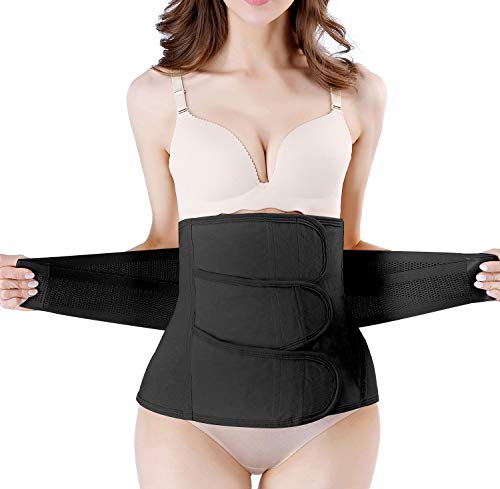
Belly Wraps for Postpartum Recovery
Support your body after birth with the right belly wrap. Compare types, benefits, and find the best option for your recovery journey.
Bringing a new life into the world is a transformative experience, and your body deserves gentle, intentional support during the postpartum period. Belly wraps—also known as postpartum belts or abdominal binders—have become a go-to tool for many new mothers seeking comfort, stability, and a sense of restoration. Whether you had a vaginal delivery or a cesarean section, the right belly wrap can make a meaningful difference in your recovery, helping you feel more confident and comfortable as you navigate the early weeks with your newborn.
This comprehensive guide will walk you through everything you need to know about belly wraps: from the different types available and their specific benefits, to how to choose the right one for your body and lifestyle. We'll also share practical tips for using your belly wrap safely and effectively.
What Is a Belly Wrap and Why Use One?
A belly wrap is a piece of supportive fabric or elastic material designed to be worn around your abdomen and lower back during the postpartum period. Its primary purposes are to provide gentle compression, support weakened abdominal muscles, and offer stability to your core as your body begins to heal.
After childbirth, your abdominal muscles—particularly the rectus abdominis, which often separates during pregnancy (a condition called diastasis recti)—need time and support to recover. A belly wrap can help:
- Support weakened abdominal muscles: By providing gentle, consistent compression, wraps help your muscles feel more secure as you move, sit, and stand.
- Improve posture: The support around your lower back encourages a more aligned posture, which can relieve back pain and fatigue.
- Provide comfort after a C-section: Many women find that wearing a binder around their incision site reduces pain and provides a sense of security when coughing, sneezing, or laughing.
- Help you feel more "put together": The compression can offer a feeling of gentle support, which many mothers find reassuring during the physically vulnerable postpartum period.
It's important to note that while belly wraps can be incredibly helpful, they are not a weight-loss tool or a quick fix for diastasis recti. They are a supportive aid—one part of a holistic postpartum recovery plan that should include rest, good nutrition, gentle movement (with your healthcare provider's approval), and patience.
Types of Belly Wraps: Which One Is Right for You?
Not all belly wraps are the same. The right choice depends on your specific needs, delivery method, and personal preferences. Here's a breakdown of the most common types:
1. Elastic Belly Bands (or Compression Wraps)
These are the most common type of postpartum wrap. They are made from stretchy, breathable fabric (often nylon, spandex, or cotton blends) and typically fasten with Velcro or hooks. They are designed to be adjustable so you can customize the level of compression.
- Best for: General postpartum support, back pain relief, and C-section recovery.
- Pros: Highly adjustable, easy to put on and take off, affordable.
- Cons: May roll up or bunch if not properly fitted.
2. Traditional Belly Wraps (Girdles or Bodices)
These are longer pieces of fabric that wrap around your torso multiple times and fasten with ties or hooks. They offer a more customizable fit and are often favored by those who practice traditional "belly binding."
- Best for: Those seeking traditional postpartum support, especially if you want full-length coverage.
- Pros: Customizable compression, breathable cotton options.
- Cons: More time-consuming to put on, can be bulky under clothing.
3. Postpartum Shapewear (Compression Shorts or High-Waist Briefs)
These are similar to elastic bands but often integrated into high-waist briefs or shorts. They provide targeted compression around the abdomen and hips.
- Best for: Everyday use, wearing under clothes, comfort.
- Pros: Discreet under clothing, stays in place, convenient.
- Cons: Less adjustable than bands, less targeted compression.
4. Medical-Grade Abdominal Binders
These are often recommended by hospitals after a C-section. They are wider and provide firmer, more consistent support, often with a rigid panel in the back.
- Best for: Post-surgical recovery (C-section).
- Pros: Very supportive, can reduce pain significantly.
- Cons: Can be stiff and less comfortable for long periods.
Still unsure? Consider consulting with your healthcare provider or a physical therapist who specializes in pelvic floor and postpartum health. They can assess your individual situation and recommend the best option.
Quick Comparison: Belly Wrap Types at a Glance
| Type | Best For | Adjustability | Approximate Price |
|---|---|---|---|
| Elastic Belly Band | General support, C-section recovery | High (Velcro/hooks) | $25–$60 |
| Traditional Wrap | Belly binding, full-length coverage | High (ties/hooks) | $30–$70 |
| Postpartum Shapewear | Everyday wear, under clothes | Low to medium | $30–$80 |
| Medical Binder | Post-surgical recovery | Medium (Velcro) | $20–$60 |
*Prices are estimates and can vary based on brand, materials, and region. Always check the latest prices from reputable retailers.
How to Choose the Best Belly Wrap for You
Choosing a belly wrap is a personal decision. Here are key factors to consider:
- Delivery Method: If you had a C-section, a medical-grade binder or a wrap with targeted support around the incision site is often recommended. For vaginal births, a general elastic band may be sufficient.
- Material & Breathability: Look for breathable materials like cotton or moisture-wicking fabric, especially if you plan to wear it for extended periods.
- Adjustability: An adjustable wrap allows you to modify the compression as your body changes in the coming weeks.
- Ease of Use: If you're a busy new mom, a wrap that is easy to put on and take off will save you time and frustration.
- Comfort: The wrap should feel supportive, not painful. It shouldn't dig into your skin or restrict your breathing.
Remember, the best belly wrap is one that meets your individual needs and makes you feel supported and comfortable.
How to Wear Your Belly Wrap Safely and Effectively
To get the most out of your belly wrap and avoid potential issues, follow these guidelines:
- Start Slowly: Begin by wearing the wrap for 1–2 hours at a time and gradually increase the duration as your body adjusts.
- Don't Over-Tighten: The wrap should be snug but not so tight that it restricts your breathing or causes pain.
- Listen to Your Body: If you experience discomfort, pain, or numbness, loosen or remove the wrap.
- Consult Your Provider: Always check with your doctor or midwife before using a belly wrap, especially if you have any underlying health conditions.
- Combine with Other Recovery Practices: A belly wrap is a tool, not a cure. Pair it with gentle pelvic floor exercises, good nutrition, and rest for the best recovery.
For more comprehensive postpartum recovery strategies, explore our Postpartum Care Kit and Perineal Care guides.
Beyond the Wrap: Complementary Postpartum Support
While a belly wrap is a wonderful start, a holistic postpartum recovery plan supports your entire body. Consider exploring these related resources to build a complete support system:
- Pelvic Floor Health: Learn exercises and habits to restore pelvic strength.
- Breastfeeding Support: Comfortable positioning and nursing tips.
- C-Section Recovery: Specific guidance for abdominal surgery recovery.
- Maternity & Nursing Clothing: Find comfortable, functional apparel for the postpartum period.
- Nursing Pillows: Proper support during feeding sessions to reduce back strain.
- Pregnancy & Postpartum Pillows: Support for sleep and resting positions.
Final Thoughts
Navigating the postpartum period is a journey, and your body deserves thoughtful, supportive care. A well-chosen belly wrap can be an invaluable companion during this time, offering the gentle support you need to feel more comfortable, confident, and capable as you embrace your new role. Pairing it with other recovery practices and the right postpartum essentials will set you up for a smoother transition into motherhood.
Take your time, listen to your body, and remember that healing is not linear. The right belly wrap is a small but meaningful step toward honoring your body and the incredible work it has done.