The Ultimate Nipple Cream Guide for Breastfeeding Moms
Find relief from sore, cracked nipples. Our expert guide reviews the best nipple creams, explains key ingredients, and helps you choose the right one for your breastfeeding journey.
SHOP TOP PICKS
Why Trust CradleCheck? We independently research and review baby and maternity products. Our team of parenting experts and real moms test and evaluate nipple creams based on ingredient safety, effectiveness, texture, and value. We only recommend products that meet our strict standards for breastfeeding comfort and baby safety.
What is Nipple Cream and Why Do You Need It?
Nipple cream is a specially formulated balm designed to soothe, protect, and heal sore, cracked, or dry nipples caused by breastfeeding. Many new moms experience nipple tenderness in the first few weeks of nursing. A high-quality nipple cream can make a significant difference in your comfort and breastfeeding success.
Whether you're preparing for your baby's arrival or currently nursing and seeking relief, choosing the right nipple cream is an essential part of your breastfeeding journey. The right product can help prevent infection, promote healing, and allow you to continue nursing comfortably.
Key Ingredients: Lanolin vs. Organic Balms
Not all nipple creams are created equal. Understanding the ingredients can help you choose the best option for your skin and baby. Here's what you need to know:
Lanolin-Based Creams
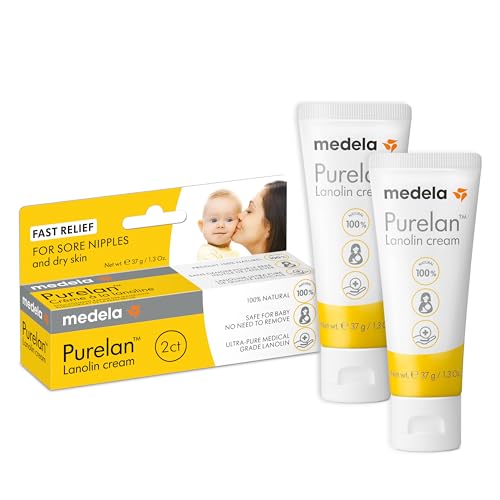
Lanolin is a natural wax derived from sheep's wool. It's highly emollient and excellent for deeply moisturizing dry, cracked skin. It creates a protective barrier that locks in moisture.
- Pros: Highly effective, widely available, often less expensive.
- Cons: Some people are allergic to lanolin; not vegan; can be thick and sticky.
Organic / Plant-Based Balms
These use ingredients like coconut oil, shea butter, olive oil, and beeswax or plant-based waxes. They are generally lighter and often safe for baby without wiping off.
- Pros: Safe for sensitive skin, vegan options available, often no need to wipe before feeding.
- Cons: May not be as thick or long-lasting as lanolin, can be more expensive.
For many moms, the choice comes down to personal preference and skin sensitivity. It's often worth trying a small amount to see how your skin reacts.
How to Apply Nipple Cream for Best Results
Proper application maximizes the benefits of nipple cream. Follow these steps for effective relief:
- Start after feeding: Apply a pea-sized amount to your nipple and areola immediately after breastfeeding.
- Massage gently: Use clean fingers to massage the cream into the skin until absorbed.
- Let it air dry: If possible, allow your nipples to air dry for a minute before covering up. This prevents friction and allows the cream to penetrate.
- Check the label: Some creams are safe for baby and don't need to be wiped off before the next feed. Others may recommend rinsing. Always follow the product instructions.
If you're experiencing severe pain, bleeding, or signs of infection (fever, redness, heat), consult your healthcare provider or a lactation consultant. Nipple cream is a helpful tool, but it's not a substitute for professional medical advice.
For more postpartum recovery essentials, check out our guide on postpartum care kits to support your overall well-being.
Benefits of Using Nipple Cream
Beyond immediate relief, regular use of nipple cream offers several benefits for breastfeeding mothers:
- Prevents dryness and cracking: Keeps the nipple skin supple and resilient.
- Reduces pain and discomfort: Soothes inflammation and reduces friction.
- Promotes healing: Helps minor skin damage repair quickly.
- Boosts breastfeeding confidence: When pain is managed, moms are more likely to continue nursing.
Remember, nipple soreness is common but shouldn't be excruciating. If pain persists, consider checking your baby's latch or consulting a professional.
How to Choose the Best Nipple Cream for You
With so many options available, selecting the right nipple cream can feel overwhelming. Here’s a simple checklist to guide your decision:
- Check the ingredients: If you have sensitive skin or allergies, opt for a hypoallergenic, lanolin-free, or organic balm.
- Consider the texture: Thicker creams offer more protection but can feel heavy. Lighter balms are easier to apply but may need more frequent reapplication.
- Think about convenience: Some creams come in tubes, others in pots. Choose what fits your lifestyle.
- Read reviews: See what other nursing moms say about effectiveness and ease of use.
- Price vs. value: A higher price doesn't always mean better quality. Evaluate the cost per ounce.
Many moms find that a combination of a high-quality cream and a good nursing pillow significantly improves their breastfeeding experience.
Top Picks: Best Nipple Creams of the Year
Based on our research, expert feedback, and real mom reviews, here are the top-rated nipple creams that deliver exceptional relief and safety.
Disclaimer
Baby product selection and parenting decisions involve personal preferences and individual circumstances. The information provided on CradleCheck is for educational and informational purposes only. We are not medical professionals, and our content should not replace professional medical advice, diagnosis, or treatment. Always consult with your pediatrician or healthcare provider regarding your baby's health and safety. Some content may use AI assistance. Always check product safety standards and recalls before purchasing. If you do not agree, please do not use this website.
Read the full disclaimer.