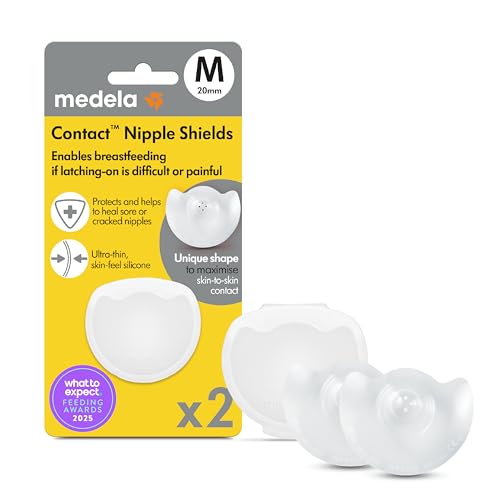
Nipple Cover for Breastfeeding: Your Complete Buying Guide
Discover how to choose the right nipple covers for comfort, leak protection, and discretion. Learn about materials, tiers, and essential features for your breastfeeding journey.
START READINGWhy Nipple Covers Matter: Breastfeeding is a beautiful journey, but it comes with its own set of challenges. Leaking, soreness, and the need for discretion are common concerns for new mothers. Nipple covers — also known as nursing pads — are essential accessories that provide comfort, protection, and confidence. This guide will help you understand the different types available and how to select the best option for your needs.
What Are Nipple Covers for Breastfeeding?
Understanding Nursing Pads
Nipple covers for breastfeeding, commonly referred to as nursing pads or breast pads, are soft, absorbent pads worn inside a nursing bra or regular bra. They are designed to absorb breast milk leakage that occurs between feedings, protecting your clothing and keeping you dry and comfortable.
Beyond absorbency, nipple covers serve several important purposes:
- Leak Protection: Prevent embarrassing leaks that can soak through clothing, especially during the early weeks when milk supply is regulating.
- Comfort: Provide a soft barrier between sensitive nipples and bra fabric, reducing friction and irritation.
- Discretion: Offer a smooth appearance under clothing, hiding nipple protrusion.
- Skin Protection: Help protect sore or cracked nipples from further irritation and allow healing.
- Confidence: Allow mothers to go about their day without worrying about visible leaks.
Whether you are a first-time mother or experienced, having a reliable supply of nipple covers is an essential part of your postpartum care kit. They are as important as a powerful breast pump or a nursing pillow for a smooth breastfeeding experience.
Types of Nipple Covers for Breastfeeding
Disposable vs. Reusable
When choosing nipple covers, the first decision is between disposable and reusable options. Each has its own advantages and considerations.
Disposable Nipple Covers
Disposable nursing pads are made from absorbent materials like wood pulp or synthetic fibers and are designed for single use. They typically feature an adhesive backing to keep them in place and a waterproof outer layer to prevent leaks.
- Pros: Convenient, hygienic, no washing required, ideal for travel or the early postpartum days.
- Cons: Ongoing repurchase requirement, less eco-friendly, may not be as soft as reusable options.
Reusable Nipple Covers
Reusable nursing pads are made from washable materials such as cotton, bamboo, or microfiber. They are designed to be washed and reused multiple times, making them a more sustainable choice.
- Pros: Eco-friendly, long-term investment, often softer and more breathable, available in various absorbency levels.
- Cons: Require washing, initial higher outlay, may need multiple pairs for rotation.
Many mothers choose a hybrid approach — using disposable pads during the early postpartum weeks and transitioning to reusable pads once milk supply stabilizes. For those building a comprehensive newborn must-haves list, including both types can be a practical strategy.
Key Features to Look For in Nipple Covers
Absorbency
The primary function of any nipple cover is to absorb leaks. Look for pads with multiple absorbent layers. Entry-level options typically offer adequate absorbency for light leaking, while mid-range and premium tiers feature advanced moisture-wicking technology and higher capacity for heavy leakage. Consider your flow — mothers with an oversupply may need high-absorbency pads.
Breathability
Breathable materials are crucial for preventing moisture buildup that can lead to irritation or infections like thrush. Natural fibers like cotton and bamboo are excellent choices. Avoid pads with plastic or non-porous backing directly against the skin.
Adhesive Backing
Many disposable pads feature adhesive strips that keep them securely in place inside the bra. This prevents shifting and bunching, which can be uncomfortable and reduce effectiveness. Reusable pads may have silicone dots or rely on a snug-fitting bra for placement.
Waterproof Outer Layer
A waterproof backing is essential to prevent milk from soaking through to your clothing. This layer acts as a barrier while the inner layers absorb moisture.
Softness and Comfort
Nipples can be very sensitive during breastfeeding. Look for pads with a soft, gentle top layer that won't irritate sore skin. Ultra-soft materials are especially important if you're experiencing tenderness or cracks.
Discreet Profile
Thin, contoured designs offer a smooth, discreet look under clothing. Some premium options are designed to be virtually invisible even under fitted tops.
Size and Shape
Nipple covers come in various sizes and shapes — round, contoured, or teardrop — to fit different breast shapes and bra styles. Ensure the pad fully covers the nipple and areola for maximum protection.
Nipple Cover Tiers: Choosing What Fits Your Needs
Entry-Level, Mid-Range, and Premium Options
To help you navigate the market, we've categorized nipple covers into three tiers based on their features, materials, and overall performance. This classification helps you understand what to expect at each level without focusing on numerical figures.
| Tier | Best For | Key Characteristics |
|---|---|---|
| Entry-Level Tier | Light leaking, occasional use, budget-conscious mothers | Basic absorbency, standard materials, adequate for early postpartum or light flow |
| Mid-Range Tier | Daily use, moderate leaking, mothers seeking balance | Enhanced absorbency, softer materials, contoured designs, better adhesion |
| Premium Tier | Heavy leaking, overnight use, maximum comfort and discretion | Multi-layer absorption, ultra-soft fabrics, advanced waterproofing, invisible profiles |
When selecting your tier, consider your leaking patterns, skin sensitivity, and how often you plan to change pads. A mother with heavy leakage who changes pads frequently may benefit from mid-range pads, while a mother with sensitive skin might prioritize premium softness. The goal is to find a balance that keeps you comfortable and confident throughout the day.
How to Use Nipple Covers Effectively
Placement and Care Tips
Proper use of nipple covers maximizes their effectiveness and ensures your comfort.
- Center the Pad: Position the pad directly over your nipple and areola, ensuring full coverage.
- Secure Placement: If using adhesive pads, press firmly to secure. For reusable pads, ensure your bra fits snugly to hold them in place.
- Change Regularly: Disposable pads should be changed every 3-4 hours or whenever damp. Reusable pads should be changed at least once a day and washed after each use.
- Wash Hands: Always wash your hands before and after changing pads to prevent bacteria transfer.
- Avoid Overuse: Allow your skin to breathe. If possible, go without pads for short periods when at home to let air circulate.
- Watch for Irritation: If you notice redness, itching, or discomfort, discontinue use and consult your healthcare provider.
For mothers navigating the early postpartum period, having a well-stocked postpartum care kit that includes nipple covers, along with other essentials, can make recovery smoother.
Common Mistakes to Avoid When Choosing Nipple Covers
What Not to Do
- Choosing the Wrong Absorbency: Using pads that are too thin for heavy leaking leads to frequent changes and potential embarrassment. Conversely, overly thick pads can be bulky and uncomfortable for light leaking.
- Ignoring Breathability: Pads that trap moisture against the skin can cause irritation or infections. Prioritize breathable materials.
- Skipping Adhesive: Non-adhesive pads may shift, reducing effectiveness. If your pads lack adhesive, ensure a snug bra fit.
- Not Changing Often Enough: Prolonged contact with damp pads can lead to skin issues. Change regularly, especially in the early weeks.
- Using Ill-Fitting Pads: Pads that are too small may not provide adequate coverage. Ensure the pad covers the entire areola.
- Neglecting Nipple Care: Nipple covers are protective, but they don't replace proper nipple care. Use a nipple cream if you experience soreness or cracking.
Ready to Find Your Perfect Nipple Covers?
Explore our curated selection of top-rated nursing pads and breastfeeding accessories to support your journey.
EXPLORE OPTIONSFrequently Asked Questions About Nipple Covers
What is a nipple cover for breastfeeding?
A nipple cover, also known as a nursing pad or breast pad, is a soft absorbent pad worn inside a bra to absorb breast milk leakage and protect nipples between feedings. They help keep clothing dry, provide comfort, and offer discretion.
How often should I change nipple covers?
Disposable nipple covers should be changed every 3-4 hours or whenever they feel damp. Reusable covers should be changed daily and washed after each use. In the early postpartum weeks when leaking is more frequent, you may need to change them more often.
Can I use nipple covers while sleeping?
Yes, many nursing pads are designed for overnight use. Look for pads with a waterproof backing and secure adhesive to stay in place during sleep. Overnight pads often have higher absorbency for longer wear.
Are reusable or disposable nipple covers better?
It depends on your lifestyle. Reusable covers are more eco-friendly and a long-term investment, while disposable covers offer convenience and are ideal for travel or the early postpartum days. Many mothers use both — disposable for the first weeks and reusable thereafter.
How do I prevent nipple covers from slipping?
Choose pads with adhesive backing or silicone dots that grip the bra. Ensure your bra fits snugly and the pad is centered over the nipple. Reusable pads may need a tighter-fitting bra to stay in place.
Can nipple covers help with sore nipples?
Nipple covers provide a soft barrier that reduces friction between the nipple and bra, which can help soothe soreness. However, they are not a treatment for cracked or damaged nipples. If you experience persistent pain, consult a lactation consultant or healthcare provider.
Related Guides for New Mothers
Essential Reading for Your Breastfeeding Journey
Explore more of our comprehensive guides to support your postpartum and breastfeeding experience:
- Most Powerful Breast Pump on the Market — Find a pump that efficiently supports your milk supply.
- Most Powerful Hands-Free Breast Pump — For mothers who need flexibility and convenience.
- Postpartum Care Kit — Everything you need for a comfortable recovery.
- Must-Haves for New Moms After Delivery — Essential items for the early postpartum days.
- Nursing Pillows — Support for comfortable breastfeeding sessions.
- Nipple Cream — Soothe and protect sore nipples.
- Newborn Must-Haves — A complete checklist for your baby's first months.
- Necessary Items for Newborn — Practical essentials for new parents.
- Breastfeeding Guide — Tips and advice for a successful breastfeeding journey.
- Newborn Clothing Essentials — Comfortable clothing for your little one.