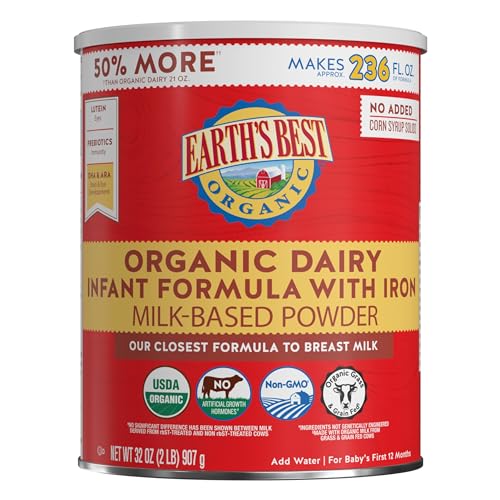
Most Recommended Formula Milk for Newborn
Your complete research guide to understanding infant formula—types, key ingredients, feeding essentials, and how to choose the right option for your newborn with confidence.
START EXPLORINGWhy This Guide Matters: If you are researching formula milk for your newborn, you are likely comparing options and want clarity before you decide. This guide breaks down formula categories, ingredient roles, and practical feeding considerations so you can make an informed choice—whether you are combination feeding, formula feeding from the start, or simply preparing for flexibility.
Understanding Newborn Formula: The Essentials
Newborn formula is designed to closely mimic the nutritional profile of breast milk, providing a balanced mix of proteins, fats, carbohydrates, vitamins, and minerals. For babies under 12 months, standard infant formula is the only safe alternative to breast milk—not toddler milk, not plant-based beverages, and not homemade recipes. The most recommended formula milk for newborn is one that is commercially manufactured, iron-fortified, and appropriate for your baby's age and health profile.
Most pediatric authorities and health organizations recommend starting with a standard cow's milk protein-based formula unless there is a specific medical reason to choose otherwise. These formulas are extensively researched, widely available, and nutritionally complete. Specialized options exist for babies with allergies, prematurity, or specific digestive concerns—but these should be selected with professional guidance. For parents building a broader newborn preparation plan, our newborn must-haves checklist can help you organize feeding, sleep, and care essentials.
Formula Types by Category and Tier
Infant formulas are generally grouped by protein source and processing level. The tier labels below describe market positioning and formulation complexity, not quality in absolute terms—every infant formula sold legally must meet strict nutritional standards.
Standard Cow's Milk-Based Formula
The most common and widely recommended starting point for healthy newborns. Provides complete nutrition with iron, DHA, and essential fatty acids.
- Iron-fortified for newborn needs
- Widely available in powder and ready-to-feed
- Balanced protein and fat profile
- Good value for its tier
Partially Hydrolyzed Formula
Milk proteins are partially broken down for easier digestion. Often chosen for babies with a family history of sensitivity or mild feeding discomfort.
- Gentler protein structure
- May support digestive comfort
- Feature-rich for its class
- Often used as a transitional option
Extensively Hydrolyzed & Amino Acid-Based
Designed for babies with diagnosed milk protein allergies or significant malabsorption concerns. Typically used under pediatric supervision.
- Highly broken-down proteins
- For medically indicated cases
- Specialized formulation
- Prescribed or recommended by clinicians
Soy-Based & Specialized Formulas
Soy-based options for babies who cannot tolerate cow's milk protein or lactose. Also includes premature infant formulas with adjusted nutrient density.
- Plant-based protein source
- Lactose-free options available
- Premature and low-birth-weight variants
- Requires professional guidance
Editorial Note: Tier labels above reflect relative formulation complexity and market positioning. A standard formula from a reputable manufacturer is not "lower quality" than a specialized formula—it is simply designed for a different nutritional need. For babies with suspected allergies or intolerance, always consult a pediatrician before switching formula types. If you are exploring dietary alternatives, our guide to non-dairy formula for infants explains when those options may be appropriate.
Formula Comparison at a Glance
Use this table to compare formula categories by their typical use case, protein source, and best-fit scenario. Remember that individual tolerance varies—what works well for one baby may not suit another.
| Category | Protein Source | Best For | Key Consideration |
|---|---|---|---|
| Standard Cow's Milk-Based | Cow's milk protein | Healthy newborns with no known sensitivities | Most researched and widely recommended starting point |
| Partially Hydrolyzed | Partially broken-down cow's milk protein | Mild digestive discomfort or family history of sensitivity | Gentler protein structure, not for diagnosed allergy |
| Extensively Hydrolyzed | Highly broken-down cow's milk protein | Diagnosed milk protein allergy | Requires pediatric guidance |
| Amino Acid-Based | Free amino acids | Severe allergy or malabsorption | Specialized medical use |
| Soy-Based | Soy protein isolate | Lactose intolerance or vegan family preference | Not first-line for preterm or allergic newborns |
| Premature Infant Formula | Cow's milk protein, adjusted nutrients | Preterm and low-birth-weight babies | Higher nutrient density under clinical guidance |
Key Ingredients to Look For in Newborn Formula
Beyond the protein base, the ingredient panel of an infant formula tells you a lot about its formulation. Here are the components most worth understanding when comparing options.
- Iron Newborns have limited iron stores, and iron-fortified formula is standard for a reason. Iron supports cognitive development and red blood cell production.
- DHA and ARA Omega-3 and omega-6 fatty acids that support brain and eye development. Most premium and mid-range formulas now include these as standard.
- Prebiotics and Probiotics Certain formulas include prebiotic fibers or probiotic strains to support digestive health and gut flora balance.
- Whey-to-Casein Ratio Whey-dominant formulas tend to be easier to digest, especially for newborns. Many standard formulas use a whey-dominant blend.
- Lactose The primary carbohydrate in most standard formulas. Lactose-free versions are available but usually reserved for specific indications.
- Nucleotides Compounds that support immune system development and are commonly added to standard infant formulas.
When reading labels, focus on the overall nutritional completeness rather than any single "super-ingredient." A formula that meets standard compositional requirements and is well tolerated by your baby is doing its job. If your newborn has unique feeding needs, pair this guide with our resources on necessary items for newborn care so your feeding setup fits smoothly into daily life.
How to Choose the Right Formula for Your Newborn
Choosing a formula is part nutrition science and part practical fit. Use the checklist below as a decision framework—and remember that your pediatrician is the best source of personalized advice, especially if your baby was premature or has any health concerns.
- Start with a standard cow's milk-based formula unless your pediatrician advises otherwise. It is the most widely recommended category for healthy term newborns.
- Review your family allergy history. If there is a strong history of milk protein allergy or eczema, discuss partially hydrolyzed options with your clinician.
- Observe your baby's tolerance. Signs of good tolerance include normal stools, comfortable feeding, and steady growth. Persistent fussiness, vomiting, or blood in stool warrant a medical review.
- Consider preparation format. Powder is the most common, while ready-to-feed is convenient for travel and early newborn days. Both are nutritionally complete.
- Check the label for infant-specific formulation. Ensure the product is labeled for infants under 12 months, not toddler milk.
- Avoid switching frequently. Frequent formula changes can make it harder to identify tolerance issues. Give a new formula a fair trial unless advised otherwise.
Practical Feeding Tip: If you are combination feeding or transitioning, keep your pediatrician informed. Our nipple cover for breastfeeding guide can help if you are navigating mixed feeding comfort, and our breast pump resource is useful if you are expressing milk alongside formula.
Preparation and Safety Essentials
Formula safety begins with careful preparation. Always follow the manufacturer's instructions on the can for the correct ratio of water to powder—never dilute or concentrate formula unless specifically directed by a healthcare professional.
- Wash your hands and sterilize equipment before preparing bottles, especially for newborns under three months.
- Use safe water. If unsure about your water supply, boil and cool it before mixing, or use ready-to-feed formula.
- Prepare only what you need for each feed. Discard any formula left in the bottle after a feeding.
- Store powder formula properly. Keep the lid sealed, store in a cool dry place, and use within the timeframe stated on the label after opening.
- Never microwave bottles. Use a warm water bath or bottle warmer to bring formula to a comfortable temperature.
For a broader look at newborn care and feeding preparation, pair this guide with our newborn clothing essentials checklist and our newborn swaddle blankets guide, both of which help you build a comfortable, well-prepared feeding and rest environment.
When Specialized Formula May Be Recommended
Most newborns thrive on standard formula, but some situations call for a different category. Specialized formulas are not inherently superior—they are targeted tools for specific needs. Consider a conversation with your pediatrician if you notice any of the following.
- Persistent feeding discomfort such as excessive spitting up, gas, or fussiness that does not improve with standard formula.
- Signs of possible milk protein allergy including blood in stool, eczema flare-ups, or hives after feeding.
- Prematurity or low birth weight, where nutrient-dense premature formulas may be recommended.
- Diagnosed lactose intolerance, which is rare in newborns but may require a lactose-reduced option.
- Family history of severe allergy, which may prompt a discussion about hydrolyzed formulas as a preventive measure.
If you are also preparing for diaper changes and feeding cleanup, our guides to diaper rash treatment and eco-friendly disposable diapers can help round out your newborn care kit.
Frequently Asked Questions
What is the most recommended formula milk for newborn?
How do I know if a formula is suitable for my newborn?
Can I switch formula brands or types?
Is ready-to-feed formula better than powder?
How much formula should a newborn drink?
Final Thoughts on Choosing Newborn Formula
The most recommended formula milk for newborn is one that meets infant nutrition standards, suits your baby's tolerance, and fits your family's feeding routine. Start with a standard iron-fortified cow's milk-based formula unless your pediatrician advises otherwise, observe your baby's response, and avoid unnecessary switching. If you are preparing a complete newborn care setup, our newborn must-haves guide and newborn travel essentials can help you organize the practical side of feeding and on-the-go care.