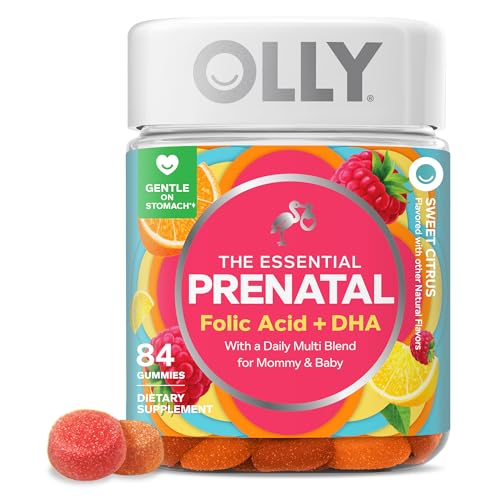
Prenatal Vitamins: Your Essential Guide for a Healthy Pregnancy
Everything you need to know about choosing the right prenatal vitamin, key nutrients, dosage, and expert tips to support you and your baby.
Prenatal vitamins are specially formulated supplements designed to fill nutritional gaps during pregnancy. They provide essential vitamins and minerals that support your baby's growth and development, while also helping to maintain your own health. Whether you're planning to conceive or are already pregnant, taking the right prenatal vitamin is one of the most important steps you can take for a healthy pregnancy.
In this guide, we’ll cover everything from the key nutrients you need, to how to choose the best prenatal vitamin for your unique needs. We’ll also address common concerns and provide practical tips to help you make an informed decision.
Key Nutrients in Prenatal Vitamins
A high-quality prenatal vitamin should contain a balanced blend of essential nutrients. While formulations can vary, these are the most critical ones to look for:
- Folic Acid (400–800 mcg) – Prevents neural tube defects and supports early brain development.
- Iron (27 mg) – Supports red blood cell production and prevents anemia during pregnancy.
- DHA (200–300 mg) – An omega-3 fatty acid crucial for baby's brain and eye development.
- Calcium (1,000 mg) – Builds strong bones and teeth for your baby, and protects your bone density.
- Vitamin D (600–800 IU) – Works with calcium to support bone health and immune function.
- Iodine (220 mcg) – Essential for thyroid function and baby's brain development.
- Vitamin B12 (2.6 mcg) – Supports nerve function and red blood cell formation.
- Zinc (11 mg) – Plays a role in DNA synthesis and cell growth.
Many prenatal vitamins also include other beneficial nutrients like Vitamin C, Vitamin E, and B-complex vitamins. Always check the label to ensure you're getting adequate amounts of these essentials. If you have specific dietary restrictions or health conditions, consult your healthcare provider for personalized recommendations.
How to Choose the Best Prenatal Vitamin
With so many options available, selecting the right prenatal vitamin can feel overwhelming. Here are key factors to consider:
- Nutrient Form: Look for bioavailable forms like methylfolate (instead of folic acid) and chelated minerals for better absorption.
- Third-Party Testing: Choose brands that are certified by organizations like USP or NSF to ensure purity and potency.
- Iron Content: Iron can cause constipation. If you're sensitive, consider a prenatal with a gentler form like iron bisglycinate.
- DHA Source: Opt for algal DHA (plant-based) or fish oil that's been tested for contaminants like mercury.
- Allergens & Additives: Check for common allergens (gluten, dairy, soy) and avoid artificial colors or preservatives if possible.
Remember, the best prenatal vitamin is one that you can take consistently without discomfort. If you experience nausea or digestive issues, try taking it with food or before bed. Some women prefer gummies or smaller capsules for easier swallowing. For more on pregnancy wellness, explore our maternity essentials guide and breastfeeding tips.
When to Start Taking Prenatal Vitamins
Ideally, you should start taking a prenatal vitamin at least one month before conception. This ensures that key nutrients like folic acid are already present in your system during the earliest stages of pregnancy, when the neural tube is forming. If you're already pregnant, start as soon as possible — it's never too late to begin.
After giving birth, continuing your prenatal vitamin (or switching to a postnatal supplement) can support recovery, breastfeeding, and replenish nutrient stores depleted during pregnancy. For more on postpartum care, check out our postpartum recovery guide and perineal care tips.
Frequently Asked Questions
Can I take prenatal vitamins without being pregnant?
Yes, many women take them during the preconception period to prepare their bodies. However, consult your doctor first, as the iron content may be unnecessary if you're not pregnant or breastfeeding.
Do prenatal vitamins make you gain weight?
No, prenatal vitamins themselves do not cause weight gain. They contain no calories. Weight gain during pregnancy is natural and necessary for your baby's growth.
What if I forget to take my prenatal vitamin?
Take it as soon as you remember. If it's almost time for your next dose, skip the missed one and continue your regular schedule. Don't double up unless advised by your healthcare provider.
Are prescription prenatal vitamins better than over-the-counter?
Not necessarily. Over-the-counter options can be equally effective if they contain the right nutrients in the right amounts. Prescription versions often have higher levels of certain nutrients, but this should be discussed with your doctor based on your individual needs.
Still have questions about your pregnancy journey? Explore our hospital bag checklist and newborn must-haves to prepare for the big day.
💡 Expert Tip: Pair Your Prenatal with a Healthy Diet
While prenatal vitamins are essential, they are not a substitute for a balanced diet. Incorporate a variety of whole foods like leafy greens, lean proteins, and healthy fats to get the full spectrum of nutrients your body needs. For more guidance, read our breastfeeding guide and budget-friendly tips for new parents.