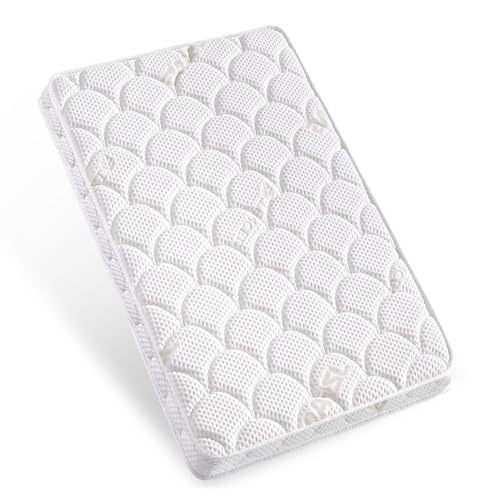
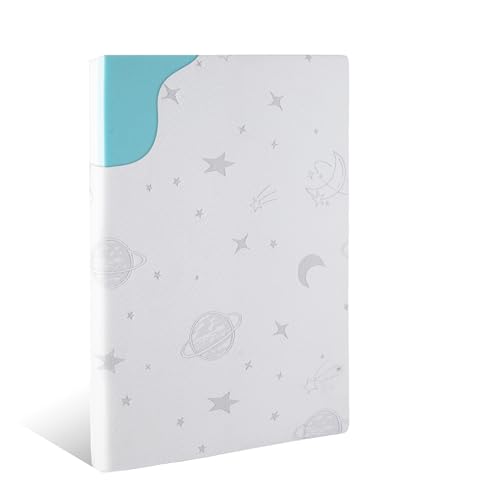
Most Comfortable Pack and Play Mattress
Choosing the right mattress transforms a standard play yard into a genuinely restful sleep space. This guide explains what makes a pack and play mattress comfortable, how to balance cushioning with safe-sleep firmness, and which features matter most for your baby's rest.
Explore Buying CriteriaWhy the Mattress Makes or Breaks a Play Yard
Play yards are designed to be portable, which means their included pads are often thin and firm. Many parents notice that their baby sleeps less soundly in a travel crib than in a full crib. The difference usually comes down to the sleep surface. A genuinely comfortable pack and play mattress adds just enough cushioning while preserving the flat, firm support that infants need.
Comfort here is not about plushness. For babies under twelve months, safe sleep guidance calls for a firm, flat surface with no soft bedding. The goal is a mattress that reduces pressure points, distributes weight evenly, and stays cool — not one that feels like an adult bed. The best options achieve this with high-density foam, breathable covers, and a snug fit inside the play yard.
What Makes a Pack and Play Mattress Comfortable
Balanced Thickness
Comfortable mattresses typically sit in the one-to-two-inch range. Thicker foam adds cushioning, but the mattress must still sit flush in the play yard so a baby cannot roll into a gap.
High-Density Foam
Density matters more than thickness. Dense foam resists sagging, keeps its shape through daily use, and provides even support without the softness that poses a sleep hazard.
Breathable Cover
A breathable, removable cover helps regulate temperature and keeps the sleep surface comfortable through warm nights. Look for covers that are machine washable.
Snug Dimensions
A comfortable mattress that does not fit properly is not usable. Measure your play yard interior and confirm the mattress matches it closely on all four sides.
Waterproof Layer
An integrated waterproof barrier protects the foam from leaks and spit-up, which keeps the surface hygienic and prevents odour from building up over time.
Flat, Stable Base
The mattress should lie completely flat with no creasing or folding. A stable base prevents the surface from shifting when your baby moves during sleep.
Buying Criteria: How to Compare Options
Comparing pack and play mattresses is easier when you evaluate them against consistent criteria rather than marketing claims. The table below outlines the factors that matter most and what to look for at each quality tier.
| Feature | Essential Tier | Balanced Tier | Top-Tier |
|---|---|---|---|
| Foam quality | Standard-density foam that meets basic support needs | Higher-density foam with better shape retention | Premium high-density foam with reinforced core |
| Cover material | Basic fabric, often not removable | Removable, machine-washable cover | Breathable, removable cover with waterproof backing |
| Fit | Generic sizing that may leave gaps | Model-specific sizing for common play yards | Precisely sized for specific brands with snug corners |
| Portability | Lightweight, may fold simply | Folds or rolls for travel with a carry handle | Designed for frequent travel with compact folding |
| Best for | Occasional overnight use or as a spare | Regular use at home and on trips | Frequent travelers and daily sleep use |
Entry-level mattresses cover the basics and work well as a secondary option. Mid-range models are the sweet spot for most families, offering better foam and washable covers without overcomplicating the purchase. Top-tier options justify themselves through precise fit and durability, especially for families who travel often or use the play yard as a primary sleep space. If you are still deciding between a mattress upgrade and a new travel crib, our guide to the most comfortable pack and play for sleeping covers both paths.
Safety Requirements Every Mattress Must Meet
Comfort should never come at the expense of safety. Before buying, verify the following for any pack and play mattress you are considering:
- Firmness: The surface should not indent deeply under gentle hand pressure. A mattress that compresses easily can create a rebreathing hazard.
- Snug fit: There should be no visible gap between the mattress edge and the play yard walls. Gaps are a known entrapment risk.
- Flat surface: The mattress must not fold, crease, or buckle. If it is designed to fold for travel, it must unfold completely flat and stay that way.
- No added softness: Avoid mattress toppers, pillows, or soft padding layered on top. These undo the safety benefits of a firm mattress.
- Current safety standards: Confirm the mattress meets applicable juvenile product safety standards and check for recalls before use.
If your baby shares a room or you are setting up a dedicated sleep corner, pair the mattress with other safe-sleep basics such as a newborn crib for home use, and keep the play yard free of loose blankets and toys.
How to Choose the Right Mattress for Your Family
The best choice depends on how you use your play yard. For occasional naps and short trips, an essential-tier mattress with a washable cover is often sufficient. If the play yard is your baby's regular sleep space at home, a balanced-tier or top-tier mattress with denser foam and a waterproof cover will hold up better to daily use.
Travel frequency is the other major factor. Families who fly or drive often should prioritise a mattress that folds compactly and comes with a carry handle. Those who keep the play yard in one place can focus on foam quality and fit instead. Whichever direction you choose, measure your play yard first — compatibility is non-negotiable. New parents building a full sleep setup may also want to review our roundup of newborn must-haves to make sure the rest of the nursery is covered.
Caring for a Pack and Play Mattress
A comfortable mattress stays comfortable with routine care. Wash removable covers according to the manufacturer's instructions, usually on a gentle cycle with mild detergent. Wipe waterproof surfaces with a damp cloth and allow them to air dry fully before replacing the cover. Avoid soaking the foam, which can break it down over time.
Inspect the mattress every few weeks for sagging, tears, or compressed corners. Foam that no longer springs back should be replaced rather than repaired. Store the mattress flat or loosely rolled in a dry space, and avoid stacking heavy items on top of it during storage.
Frequently Asked Questions
What makes a pack and play mattress comfortable?
A comfortable mattress combines adequate thickness, supportive high-density foam, a breathable cover, and a firm, flat sleep surface. The best options balance cushioning with the firmness required for safe infant sleep.
How thick should a pack and play mattress be?
Most comfortable mattresses range from about one to two inches thick. Thicker models add cushioning, but the mattress must still fit snugly in the play yard with no gaps around the edges.
Can a pack and play mattress cause suffocation risk?
Any soft, loose, or poorly fitting mattress can create a suffocation hazard. Always use a firm, flat mattress that fits the play yard tightly, and follow the manufacturer's instructions for your specific model.
How often should a pack and play mattress be replaced?
Replace the mattress when the foam loses support, the cover tears, or the surface no longer lies flat. A worn mattress compromises both comfort and safe sleep.
Do I need a separate mattress for a play yard?
Not always. Some play yards include a usable pad, but an upgraded mattress typically improves comfort and durability, especially with regular use. Confirm compatibility with your play yard before purchasing.
Ready to Upgrade Your Baby's Sleep Surface?
Browse our recommended pack and play mattresses below. Each option is selected for balanced comfort, firm support, and a snug fit — the three qualities that matter most for restful, safe sleep.
View Recommendations