
Best Compression Socks for Pregnancy & Postpartum
Relieve swollen feet, improve circulation, and support your recovery. Our complete guide helps you choose the perfect compression socks for every stage.
Pregnancy brings incredible changes to your body, and your legs and feet bear much of the extra weight. Swelling, varicose veins, and fatigue are common complaints. Compression socks are a simple, effective tool to manage these issues, improve blood flow, and keep you comfortable throughout your pregnancy and postpartum recovery. This guide covers everything you need to know to select the right pair.
Why Wear Compression Socks During Pregnancy?
Compression socks apply gentle pressure to your legs, helping veins return blood to your heart. During pregnancy, increased blood volume and hormonal changes can weaken vein walls, leading to swelling and discomfort. Here are the key benefits:
- Reduces Swelling (Edema): Counteracts fluid retention in feet and ankles, a common pregnancy symptom.
- Prevents Varicose Veins: Supports vein valves and reduces the risk of developing painful varicose veins.
- Improves Circulation: Boosts blood flow, reducing the risk of deep vein thrombosis (DVT).
- Relieves Aching Legs: Eases muscle fatigue and heaviness, especially after long periods of standing or sitting.
- Postpartum Support: Aids recovery by promoting circulation and reducing swelling after delivery.
Many expecting mothers also find relief from leg cramps and a general sense of well-being. Wearing compression socks during travel—whether by plane or car—is highly recommended to prevent swelling and DVT risk.
How to Choose the Right Compression Socks
Selecting the correct compression level and size is crucial for effectiveness and comfort. Compression is measured in mmHg (millimeters of mercury). For pregnancy, mild to moderate compression is typically recommended.
Compression Levels
- 8–15 mmHg (Mild): For tired, achy legs and mild swelling. Ideal for everyday wear and travel.
- 15–20 mmHg (Moderate): For moderate swelling, varicose veins, and postpartum recovery. Most recommended for pregnancy.
- 20–30 mmHg (Firm): For severe swelling or chronic venous insufficiency. Requires a doctor's recommendation.
Sizing Tips
- Measure your ankle and calf circumference in the morning before swelling increases.
- Check the size chart of each brand—sizes vary.
- Choose knee-high or thigh-high based on where swelling occurs.
- Ensure a snug fit without being too tight or causing discomfort.
If you have existing circulatory issues or diabetes, consult your healthcare provider before using compression socks.
When to Wear Compression Socks
For best results, put your compression socks on first thing in the morning, before your legs have a chance to swell. They should be worn throughout the day, especially during periods of extended sitting or standing. Remove them before going to bed, unless otherwise directed by your doctor. For postpartum recovery, wearing them for the first few weeks can significantly aid circulation and reduce swelling.
What to Look for in Maternity Compression Socks
- Graduated Compression: Firmer at the ankle and gradually decreasing up the leg. This promotes upward blood flow.
- Breathable Fabric: Look for moisture-wicking materials like nylon, spandex, or cotton blends to keep your skin cool and dry.
- Comfortable Band: A wide, non-binding top band prevents rolling and doesn't dig into your skin.
- Open Toe vs. Closed Toe: Open-toe styles allow toe movement and are easier to put on; closed-toe provide full coverage and warmth.
- Easy to Put On: Some socks come with donning aids to help you pull them on without straining your belly.
Many brands offer stylish colors and patterns, so you don't have to sacrifice style for function. However, prioritize fit and compression accuracy over aesthetics.
Top-Rated Maternity Compression Socks
⚠️ AFFILIATE DISCLOSURE: This website contains affiliate links. As an Amazon Associate, we earn from qualifying purchases. If you make a purchase through these links, we may receive a small commission at no additional cost to you. Read our full affiliate policy.

4 Pairs-Compression Socks for Women&Men Circulation-Best Support for Nurses,Running,Athletic
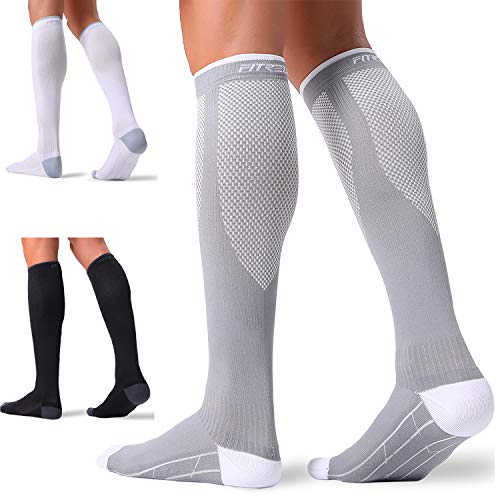
FITRELL 3 Pairs Compression Socks for Women and Men 20-30mmHg- Circulation and Muscle Support Socks for Travel, Running, Nurse, Knee High, Medical Black+White+Grey Small-Medium

Iseasoo 4 Pairs Compression Socks for Women Circulation-Best Support for flying Running, Athletic,Travel, Hiking, White,PinkGifts L-XL

LEVSOX Cotton Compression Socks for Women&Men 20-30 mmHg Knee High Extra Thick Graduated Support Sock for Nurses, Pregnant Women, Travel and Flight, 2 Pairs, Grey, Beige
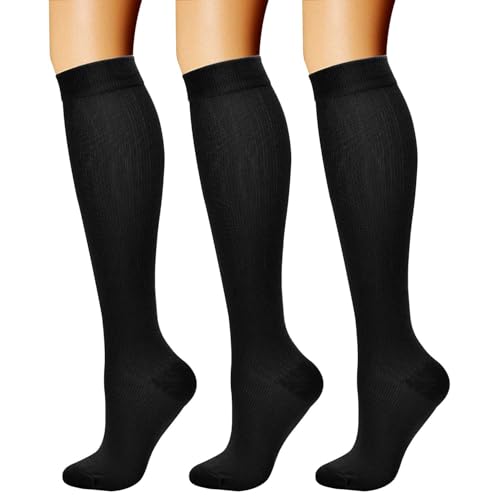
CHARMKING Compression Socks for Women & Men Circulation (3 Pairs) 15-20 mmHg is Best Support for Athletic Running Cycling (L/XL, Black)

Momcozy Compression Socks for Women, 20-30 mmHg for Flying, Travel & Sports | 20-30 mmHg option: Enhanced support with zoned compression, Lycra fiber for lasting elasticity, silver-infused for freshness

CHARMKING Compression Socks for Women & Men (8 Pairs) 15-20 mmHg Graduated Copper Support Calf Socks are Best for Pregnant, Nurses - Boost Performance, Circulation, Knee High Wide Calf(S/M, Multi 43)
Tips for Maximizing Comfort
To get the most out of your compression socks, follow these simple tips:
- Stay Hydrated: Drinking plenty of water helps reduce fluid retention.
- Elevate Your Feet: Rest with your feet elevated above your heart when possible to ease swelling.
- Move Regularly: Take short walks and flex your ankles to keep blood flowing.
- Wash Properly: Hand wash or use a gentle cycle with mild detergent to maintain elasticity. Air dry to prevent damage.
Remember, compression socks are a supportive tool, not a cure-all. If you experience severe pain, redness, or sudden swelling, seek medical attention immediately.
Ready to Find Your Perfect Pair?
Browse our curated selection of top-rated compression socks recommended by moms and experts. Your comfort is just a click away.
Explore Products Below