Baby Laundry Guide: Gentle Care for Sensitive Skin
Everything you need to know about washing baby clothes, choosing safe detergents, and removing stubborn stains without harsh chemicals.
Newborn skin is up to 30% thinner than adult skin, making it more sensitive to irritants, fragrances, and harsh chemicals. That's why baby laundry requires special care — not just for cleanliness, but for your baby's health and comfort. Whether you're preparing for your little one's arrival or looking for better ways to care for their clothes, this guide covers everything from choosing the right detergent to tackling those inevitable diaper blowouts and spit-up stains.
By the end of this guide, you'll know exactly how to keep baby's wardrobe soft, safe, and spotless — and you'll be ready to shop for the best laundry products with confidence.
1. Choosing the Right Baby Laundry Detergent
The most important step in baby laundry is selecting a detergent that cleans effectively without irritating sensitive skin. Look for fragrance-free, dye-free, and hypoallergenic formulas. Many parents prefer plant-based or enzyme-free options to minimize the risk of allergic reactions.
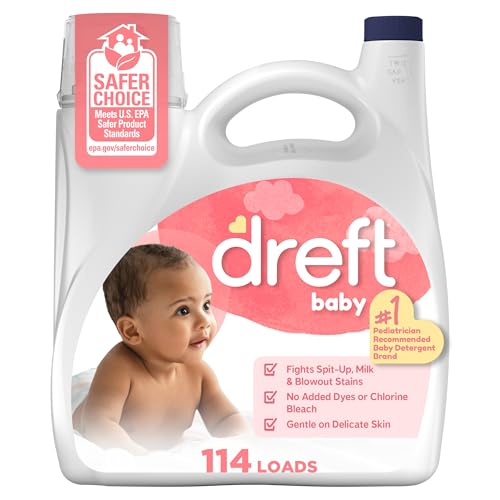
Popular pediatrician-recommended brands include Dreft (Stage 1: Newborn), Seventh Generation Free & Clear, and Babyganics. However, always do a patch test on a small area of clothing first, especially if your baby has known allergies or eczema. For parents who prefer natural options, soap nuts or unscented castile soap are gentle alternatives, though they may not be as effective on heavy stains.
If you're looking for a budget-friendly option that still delivers great results, All Free & Clear is a solid choice. Prices typically range from $10–$20 for a 100-ounce bottle. For premium plant-based detergents, expect to pay $18–$30 per load.
Learn more about gentle baby skincare products and how they complement your laundry routine to protect your baby's delicate skin.
2. Pre-Treating Common Baby Stains
Babies are messy — it's part of their charm! From yellow mustard poop to breastmilk or formula drips, stains are inevitable. The key is to act quickly and use the right pre-treatment method for each type of stain.
- Protein-based stains (milk, formula, spit-up): Soak in cold water with a gentle enzyme-based stain remover for 15-30 minutes. Avoid hot water, which can set the protein.
- Poop stains (bilirubin): Rinse with cold water, then apply a mixture of baking soda and hydrogen peroxide (1:1) or use a stain stick formulated for baby stains. Sun-drying is also highly effective for yellow stains.
- Food stains (purees, fruit): Rinse immediately and treat with a mild dish soap or a specialized baby stain spray. For tough fruit stains, boiling water poured from a height can work wonders.
- Drool and formula residue: Pre-soak in a solution of warm water and white vinegar (1:4 ratio) for 30 minutes before washing.
For persistent stains, consider using a baby-safe stain remover like OxiClean Baby or Puracy Natural Stain Remover. These products are free from chlorine and harsh solvents, typically priced $8–$15 per bottle.
Before washing, always ensure that pre-treatment products are fully rinsed out, as residues can irritate sensitive skin. If you're unsure about a product, test it on a hidden seam first.
Read our guide on diaper creams to understand how to prevent and treat diaper rash, which is often aggravated by improper laundry practices.
3. Washing & Drying Best Practices
Now that you've pre-treated stains, it's time to wash. Follow these tips for optimal cleanliness and fabric longevity:
- Water temperature: Use warm water (around 40°C/104°F) for most baby clothes. Hot water can shrink fabrics and set stains, while cold water may not fully remove bacteria or heavy soil. For heavily soiled items, a warm wash is best.
- Detergent amount: Use half the recommended amount of detergent for a regular load. Baby clothes don't get as dirty as adult workwear, and excess detergent can leave residues that irritate skin.
- Extra rinse cycle: Always run an extra rinse cycle to ensure all detergent and stain removers are thoroughly washed away.
- Fabric softener: Avoid traditional fabric softeners and dryer sheets — they often contain fragrances and chemicals that can irritate baby's skin and reduce the absorbency of diapers. Instead, add white vinegar (½ cup) to the rinse cycle as a natural softener and to remove any lingering soap residue.
- Drying: Tumble dry on low heat or line dry. High heat can shrink clothes and weaken elastic fibers. Sun-drying is excellent for naturally bleaching stains and killing bacteria, but be mindful of fading for bright-colored items.
For families dealing with persistent allergies or extremely sensitive skin, consider using a hypoallergenic laundry detergent and adding a laundry sanitizer (like Lysol Laundry Sanitizer) that is safe for baby items. These sanitizers are usually priced $10–$15 per bottle and are effective at killing bacteria in cold water.
Explore our baby bathtub guide for more ways to keep your baby clean and comfortable, complementing your laundry routine with safe bathing practices.
4. Special Fabrics & Items (Wool, Delicates, & Outerwear)
Baby wardrobes often include delicate fabrics like organic cotton, bamboo, merino wool, and even cashmere for special occasions. Each requires specific care:
- Organic cotton: Machine wash warm with similar colors. Avoid bleach. Tumble dry low or air dry to maintain softness.
- Bamboo viscose: Cold wash, gentle cycle. Avoid high heat drying as it can shrink bamboo fibers. Air dry recommended.
- Wool or cashmere: Hand wash in cool water with a mild wool detergent. Do not wring; gently press out water and lay flat to dry. Wool is naturally stain-resistant but can felt if agitated.
- Baby outerwear (jackets, snowsuits): Spot clean with a damp cloth when possible. For machine washing, use a gentle cycle and low heat drying. Check that the filling (like down) is fully dry to prevent mildew.
For wool items, a specialized detergent like Eucalan or Woolite Baby is ideal. These are priced around $10–$16 per bottle and are designed to preserve delicate fibers while being gentle on baby's skin.
If you're looking for more tips on caring for baby's wardrobe, check out our newborn clothing guide and sleepwear guide for fabric recommendations.
5. Organizing & Storing Baby Laundry
Once clothes are clean and dry, proper storage helps keep them fresh and makes dressing baby easier. Here are some practical tips:
- Sort by size: Separate clothes by size (newborn, 0-3, 3-6 months) in drawers or baskets. This helps you quickly find what fits.
- Use drawer dividers: Organize onesies, pants, socks, and outerwear in separate sections. Clear organizers or fabric bins make it easy to see everything.
- Keep out-of-season clothes stored: Vacuum-sealed bags or sturdy plastic bins protect clothes from dust and moisture. Add a sachet of lavender or cedar to repel moths naturally.
- Roll, don't fold: For small items like bibs and socks, rolling saves space and prevents wrinkles.
If you have limited space, consider using over-the-door hanging organizers or a tiered rolling cart to maximize vertical storage. These solutions range from $20–$50 and are available on Amazon and other retailers.
For more nursery organization ideas, take a look at our storage solutions and closet organizers guides.
6. Common Baby Laundry Mistakes to Avoid
- Using too much detergent: More detergent doesn't mean cleaner clothes. It often leads to buildup that irritates skin and reduces towel absorbency.
- Skipping the extra rinse: Always add an extra rinse cycle to remove all soap and stain remover residues.
- Mixing baby clothes with adult laundry: Adult clothes may carry germs, oils, and heavy perfumes. Wash baby items separately or with a dedicated load.
- Ignoring care labels: Not all baby clothes are machine washable. Always check labels before washing to avoid shrinking or damaging special items.
- Using scented softeners or dryer sheets: These can coat fabrics and reduce flame resistance in sleepwear, besides irritating skin.
By avoiding these common pitfalls, you'll extend the life of baby clothes and keep them safe for your baby's delicate skin.
For more safety tips, read our baby-proofing guide and first aid kit essentials to ensure your home is fully prepared.
7. Eco-Friendly & Budget-Conscious Tips
Baby laundry can be expensive and wasteful, but there are ways to save money and reduce your environmental footprint:
- Wash full loads: Only run the washer when you have a full load to save water and energy.
- Use cold water: For lightly soiled clothes, cold water is effective and energy-efficient.
- Air dry when possible: Line drying saves energy and is gentler on fabrics.
- Buy detergent in bulk: Buying larger containers or subscription boxes can save up to 30% per load.
- DIY stain remover: A paste of baking soda and water, or a mix of white vinegar and water, works well for many stains at a fraction of the cost.
Eco-friendly detergents are also widely available. Brands like Molly's Suds and Dropps offer plant-based, fragrance-free options with prices ranging from $15–$30 depending on the size.
For more budget-friendly parenting tips, explore our baby budget guide and second-hand guide.
Final Thoughts: A Clean Start for Your Baby
Mastering baby laundry is a rite of passage for every new parent. With the right detergent, a few simple techniques, and a consistent routine, you can keep your baby's clothes soft, safe, and stain-free without stress. Remember, every baby is different — what works for one may not work for another — so don't be afraid to adjust your approach based on your baby's skin reactions.
We hope this guide has given you the confidence to tackle baby laundry like a pro. As you prepare for your little one's arrival, make sure your laundry room is stocked with gentle detergent, a stain remover, and a mesh laundry bag — all essential tools for the journey ahead.
If you're looking to purchase any of the products mentioned, the affiliate links below will take you to trusted retailers where you can find the best options at competitive prices. Happy washing!