Best Baby Play Mats: Safe, Soft & Easy to Clean
Find the perfect play mat for tummy time, sensory play, and early development. Compare types, materials, and features to choose the best one for your baby.
Play mats are more than just a soft place for baby to lie down. They are essential tools for early development, supporting tummy time, sensory exploration, and motor skill growth. With so many options available, finding the right one can be overwhelming. This guide breaks down everything you need to know — from types and materials to size, thickness, and cleaning — so you can make a confident choice.
Why a Play Mat Is a Must-Have
Play mats provide a safe, designated space for your baby to play, explore, and develop. Here’s why every parent should consider one:
🏆 Early Development
Play mats encourage tummy time, which strengthens neck and shoulder muscles. They also stimulate sensory development with textures, colors, and sounds.
🧼 Easy to Clean
Spills, drool, and messes are inevitable. Most play mats are designed to be wipeable or machine washable, making cleanup a breeze.
🛡️ Safety & Comfort
High-quality play mats are made from non-toxic, BPA-free materials and provide a soft, cushioned surface that protects baby during play.
🧩 Versatile Use
From tummy time and rolling to sitting and crawling, play mats grow with your baby. They’re also great for sensory toys and interactive play.
Types of Baby Play Mats
Play mats come in various styles, each with unique benefits. Understanding the differences helps you choose the one that suits your baby's needs and your lifestyle.
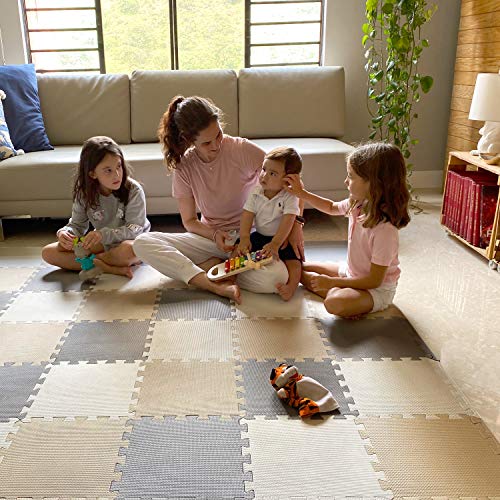
- Foam Interlocking Mats: Affordable, durable, and easy to customize. Great for larger play areas and can be used beyond the baby years.
- Folding/Portable Mats: Lightweight and foldable, perfect for travel or small spaces. Often come with a carry bag.
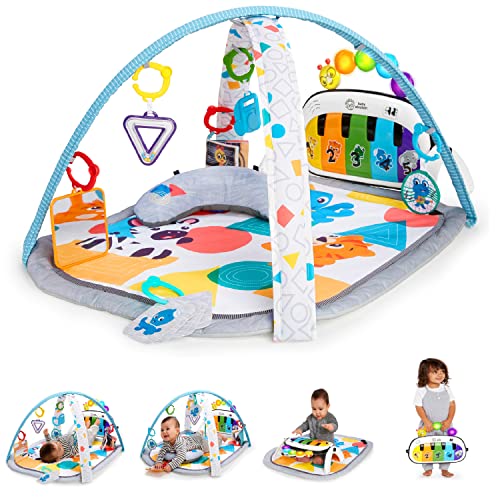
- Activity Gym Mats: Include overhead arches with hanging toys to encourage reaching and grasping. Ideal for newborns and early tummy time.
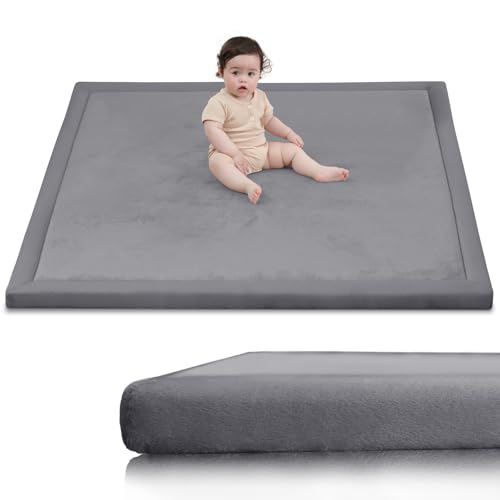
- Quilted/Padded Mats: Soft and thick with fabric covers, often machine washable. Provide extra comfort for older babies.
- Waterproof Play Mats: Made from PVC or vinyl, these are super easy to wipe clean and are excellent for messy play.
For more inspiration on creating a stimulating play environment, check out our guides on newborn toys and infant toys.
What to Look For: Key Features Comparison
Not all play mats are created equal. Use this table to compare the most important features side-by-side.
| Feature | What to Look For | Why It Matters |
|---|---|---|
| Material | Non-toxic, BPA-free, phthalate-free (e.g., EVA foam, XPE foam, organic cotton) | Ensures baby’s safety, especially during mouthing and chewing. |
| Thickness | At least 0.4–0.6 inches (1–1.5 cm) for cushioning; thicker mats (0.8–1.2 inches) for hardwood floors. | Provides adequate protection against falls and bumps. |
| Size | 50–60 inches wide is common; consider the space available and baby’s mobility. | Gives baby room to roll, crawl, and explore without restrictions. |
| Cleaning | Wipeable surface or machine-washable cover. | Makes maintenance easy and keeps the mat hygienic. |
| Portability | Foldable design or included carry bag. | Allows you to take the mat to grandparents’ house, park, or daycare. |
| Stimulating Features | Bright colors, high-contrast patterns, textures, or detachable toys. | Enhances visual and sensory development during play. |
Safety & Maintenance Tips
To keep your play mat in top condition and ensure your baby’s safety, follow these simple guidelines:
- Check for Certifications: Look for mats tested for harmful substances (e.g., GREENGUARD Gold, Oeko-Tex Standard 100).
- Regular Cleaning: Wipe down with mild soap and water. For machine-washable mats, follow the manufacturer’s instructions.
- Avoid Sharp Objects: Keep the play area free from toys with sharp edges to prevent punctures.
- Inspect for Wear: Regularly check for cracks, tears, or loose pieces that could become choking hazards.
For more tips on baby-proofing your home, explore our guides on baby proofing tools and baby gates.
How Play Mats Support Development
Play mats are not just about comfort; they are developmental tools. Here’s how they contribute to your baby’s growth at different stages:
- Newborn (0–3 months): High-contrast patterns and black-and-white toys on the mat stimulate visual tracking. Tummy time on a soft surface builds strength.
- Infant (3–6 months): Bright colors and textures encourage reaching and grasping. Play gyms with hanging toys promote hand-eye coordination.
- Baby (6–12 months): As baby begins to sit and crawl, a larger mat provides a safe space for exploration. Interactive elements like crinkle paper and mirrors enhance sensory play.
- Toddler (12+ months): Play mats become a stage for imaginative play, building blocks, and toddler toys. Durable mats withstand active play.
Pair your play mat with age-appropriate baby toys and activity centers to create a rich developmental environment.
Frequently Asked Questions
What size play mat should I buy?
A standard size is around 55 x 55 inches, which gives baby plenty of room. If you have limited space, a 40 x 40-inch mat might suffice, but larger is better for active babies.
Are foam play mats safe for babies?
Yes, as long as they are made from non-toxic, BPA-free, and phthalate-free materials like EVA or XPE foam. Always check for safety certifications.
Can I use a play mat on carpet?
Absolutely. Play mats provide an extra layer of cushioning and a clean, defined play area, even on carpet.
How do I clean a foam play mat?
Most foam mats are wipeable with a damp cloth and mild soap. For deeper cleaning, some are machine washable or can be disassembled and washed by hand.