Newborn Car Seat Buying Guide
Everything you need to know to choose the safest, most comfortable car seat for your baby's first ride home and beyond.
SHOP TOP RATEDWhy This Guide Matters: A car seat is the most important piece of baby gear you'll buy. With so many options, it's easy to feel overwhelmed. This guide breaks down everything from safety ratings to installation, so you can make an informed decision with confidence.
What Is a Newborn Car Seat?
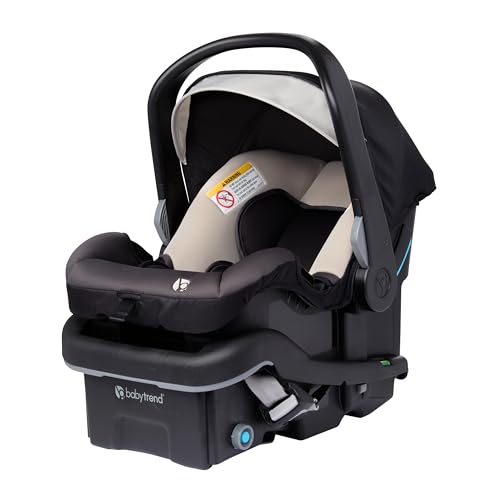
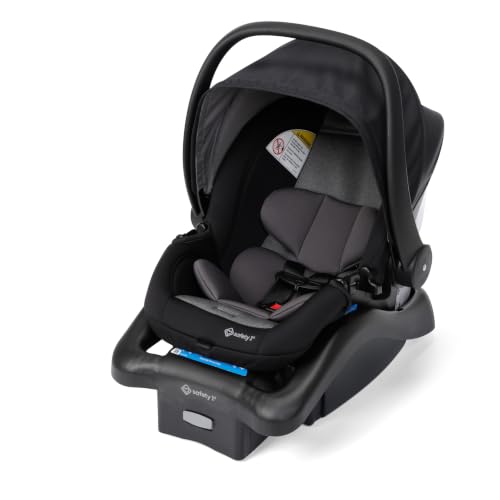
A newborn car seat, also known as an infant car seat, is specifically designed for babies from birth up to approximately 30-35 pounds. These seats are rear-facing only, which is the safest position for infants and toddlers. They typically come with a detachable base that stays in the car, allowing you to carry the seat with your baby inside – perfect for those early months when your little one is sleeping soundly.
Unlike convertible car seats that stay in the car, infant car seats are portable and often click into a travel system with a compatible stroller. This convenience makes them a favorite among new parents for quick trips and running errands.
Types of Newborn Car Seats
Choosing the right type depends on your lifestyle, budget, and long-term plans. Here are the main options:
- Infant-Only Car Seats: Designed exclusively for newborns and small infants. Lightweight, portable, and easy to use. Most include a base for easy installation. Ideal for parents who frequently move the seat between vehicles.
- Convertible Car Seats: These seats grow with your child, converting from rear-facing (for infants) to forward-facing (for toddlers). They are heavier and stay in the car, but offer extended use and better long-term value. Some parents choose a convertible seat from birth instead of an infant seat.
- All-in-One Car Seats: These seats transition through three stages: rear-facing, forward-facing, and finally a booster seat. They offer the longest lifespan but are bulky and may not fit well in smaller cars.
If you plan to have more children, an infant seat with a spare base is a cost-effective solution. For families who travel frequently, a lightweight infant seat is a top choice.
Key Safety Features & Crash Test Ratings
Safety is non-negotiable when it comes to your baby. Look for these critical features:
- Side-Impact Protection: Extra padding and energy-absorbing foam to protect your baby's head and torso in a side collision.
- 5-Point Harness: The gold standard for securing your baby. Ensure it adjusts easily and fits snugly.
- Anti-Rebound Bar: Reduces the backward motion of the seat in a crash, providing additional protection.
- Easy-to-Read Level Indicators: Help ensure the seat is installed at the correct angle, which is vital for your baby's airway safety.
- Steel-Reinforced Frame: Provides structural integrity and helps absorb impact energy.
Always check for NHTSA (National Highway Traffic Safety Administration) ratings and independent crash test scores. A seat that meets or exceeds federal safety standards is essential. For current models, look for those with the highest safety ratings from trusted organizations.
How to Install Your Newborn Car Seat
Proper installation is just as important as the seat itself. Follow these steps for a secure fit:
- Read the Manual: Both the car seat manual and your vehicle's owner's manual. They contain specific instructions for your model.
- Use LATCH or Seat Belt: The LATCH system (Lower Anchors and Tethers for Children) is easier, but the seat belt can be just as safe if installed correctly. Use the method that gives you a tighter fit.
- Check the Angle: Use the built-in level indicator to ensure the seat is at the correct recline angle for your baby's age.
- Test for Movement: After installing, grab the seat at the belt path and tug side-to-side. If it moves more than an inch, it's too loose. Tighten and try again.
- Harness Fit: The harness should be snug, and the chest clip should be at armpit level. You should not be able to pinch any excess strap material at the shoulder.
If you're unsure, many fire stations and hospitals offer free car seat inspections by certified technicians. Don't hesitate to use these services for peace of mind.
When to Move to a Convertible or Booster Seat
Your infant seat will eventually be outgrown. Look for these signs:
- Height Limit Exceeded: The top of your baby's head is less than one inch from the top of the seat shell.
- Weight Limit Exceeded: Your baby exceeds the maximum weight limit of the infant seat (typically 30-35 lbs).
- Shoulder Harness Slots: The harness straps are below your baby's shoulders when rear-facing. They should be at or just below shoulder level.
When it's time, consider a convertible car seat or an all-in-one model to extend the rear-facing period. The American Academy of Pediatrics recommends keeping your child rear-facing as long as possible, ideally until age 2 or until they outgrow the height/weight limits of their seat.
Price Ranges for Newborn Car Seats
Car seats are available in a wide price range. Here's what you can expect:
| Type | Price Range | Best For |
|---|---|---|
| Budget Infant Seats | $80 – $150 | Occasional use, secondary vehicle |
| Mid-Range Infant Seats | $150 – $300 | Everyday use, good safety features |
| Premium Infant Seats | $300 – $500+ | Advanced safety, premium materials, extra features |
| Convertible Seats (Birth to Toddler) | $200 – $400+ | Long-term value, one car setup |
Remember, a higher price doesn't always guarantee better safety. Many mid-range seats offer excellent crash test performance. Focus on features that matter most to you: ease of use, portability, and compatibility with your vehicle.
Travel Tips & Everyday Use
Make the most of your newborn car seat with these practical tips:
- Buy an Extra Base: If you have multiple vehicles, an extra base makes transferring the seat quick and easy.
- Use a Travel System: Many infant seats click into compatible strollers, making the transition from car to sidewalk seamless. Check out car seat stroller combos for maximum convenience.
- Keep the Sun Off: Use a car seat canopy or window shade to protect your baby from direct sunlight and keep them comfortable.
- Buckle Check: Always double-check that the harness is snug and the chest clip is positioned correctly before every trip.
- Fly with Your Seat: Most infant car seats are FAA-approved for airplane use. Check the label on the side of the seat.
With a little practice, installing and using your newborn car seat will become second nature. And remember, the safest seat is the one that fits your car and your baby correctly, and is used properly every time.
Ready to buy? The best newborn car seat is one that fits your car, your budget, and your lifestyle while meeting the highest safety standards. Use this guide to narrow down your options, and feel confident in your choice. When you're ready, check out our recommended picks below – all are top performers in safety and ease of use.