
Starting Solids: A Complete Guide for First-Time Parents
Everything you need to know about introducing solid foods to your baby. From when to start, what foods to offer first, safety tips, and the essential feeding gear you'll need.
By CradleCheck • Updated August 2026
When & How to Start Solids
Starting solids is a major milestone in your baby's development. Most pediatricians recommend beginning around 6 months of age, when your baby shows signs of readiness. These signs include:
- Can hold their head up steadily
- Sits with minimal support
- Shows interest in food (reaches for your plate, opens mouth)
- Has lost the tongue-thrust reflex (doesn't push food out with tongue)
At this stage, breastmilk or formula remains the primary source of nutrition, but solids introduce essential nutrients like iron and zinc. The goal is to gradually transition from a liquid diet to a varied, balanced diet by the time your baby turns 1.
Learning about feeding schedules can help you plan the day around your baby's needs. Also, understanding baby sign language can improve communication during mealtimes.
Best First Foods for Baby
When starting solids, it's recommended to begin with single-ingredient, easy-to-digest foods. Iron-fortified infant cereal (like rice or oatmeal cereal) mixed with breastmilk or formula is a classic starting point. Other excellent first foods include:
- Avocado – rich in healthy fats and smooth texture
- Sweet Potato – packed with vitamin A and naturally sweet
- Banana – easy to mash and full of potassium
- Butternut Squash – mild flavor and high in fiber
- Peas – a good source of plant-based protein
🔹 Iron-Fortified Cereal
Most pediatricians recommend iron-fortified infant cereal as a first food because it provides essential iron that babies need starting around 6 months. Mix it to a thin, runny consistency initially and gradually thicken as your baby gets used to eating.
For a more advanced approach, Baby-Led Weaning (BLW) is gaining popularity. This method skips purees and offers soft, finger-sized pieces of food for baby to self-feed. If you're considering BLW, make sure to research the safety guidelines thoroughly.
Essential Feeding Equipment
Having the right tools can make starting solids much smoother. Here are the key items you'll need:
High Chair
A sturdy, easy-to-clean high chair with a harness is essential. Look for one with a removable tray and adjustable footrest.
Baby Spoons
Soft-tipped, BPA-free spoons are gentle on your baby's gums. Silicone spoons are a popular choice for their durability.
Bibs
Silicone bibs with a crumb catcher are lifesavers for messy eaters. They're easy to wipe clean and keep your baby's clothes dry.
Food Storage
Invest in a set of small, BPA-free containers with lids for storing homemade purees. Ice cube trays are also great for freezing small portions.
For parents who prefer convenience, a bottle warmer for breast milk can also be used to gently warm refrigerated purees. And if you're looking for a complete feeding station, consider a children's table and chair set once your baby transitions to self-feeding.
Safety & Allergen Introduction
Food safety is paramount when starting solids. Always ensure foods are soft, mashed, or pureed to prevent choking. Avoid hard foods like whole nuts, popcorn, and raw vegetables. Also, be mindful of honey, which should not be given to babies under 1 year due to the risk of botulism.
Introducing allergens is an important step. Research suggests that early introduction of common allergens (like peanuts, eggs, and wheat) may reduce the risk of allergies. Start with one allergen at a time, wait a few days, and watch for any adverse reactions. Always consult your pediatrician if you have a family history of allergies.
⚠️ Choking Hazards
Learn the difference between gagging and choking. Gagging is a normal reflex that helps prevent choking. Always supervise your baby during meals and consider taking a pediatric CPR class for added peace of mind.
For more information on baby safety, you might also explore our guides on baby gear and baby care.
Sample Feeding Schedule (6-8 Months)
At first, solids are more about exploration than nutrition. Start with one meal a day, gradually increasing to 2-3 meals by 8-9 months. Here's a typical schedule:
| Time | Activity | Notes |
|---|---|---|
| 7:00 AM | Breastmilk or Formula | Full feeding |
| 9:00 AM | Solid Meal (e.g., cereal) | Start with 1-2 tablespoons |
| 11:30 AM | Breastmilk or Formula | Full feeding |
| 2:00 PM | Solid Meal (e.g., vegetable puree) | Increase to 2-3 tablespoons |
| 5:00 PM | Breastmilk or Formula | Full feeding |
| 7:00 PM | Bedtime feeding | Breastmilk or formula |
Remember, every baby is different. Some may take to solids quickly, while others need more time. Patience and consistency are key. For more guidance, check our feeding schedule page.
Top Feeding Products for Starting Solids
⚠️ AFFILIATE DISCLOSURE: This website contains affiliate links. As an Amazon Associate, we earn from qualifying purchases. If you make a purchase through these links, we may receive a small commission at no additional cost to you. Read our full affiliate policy.

Solid Starts for Babies: How to Introduce Solid Food and Raise a Happy Eater

Baby-Led Feeding: A Natural Way to Raise Happy, Independent Eaters

Simple & Safe Baby-Led Weaning: How to Integrate Foods, Master Portion Sizes, and Identify Allergies

Nibble and Rest Baby's First Foods Tracker Fridge Magnet, Dry Erase Activity Poster, Daily Food Log, 101 Before One, Baby Food Chart/Checklist 25x35cm
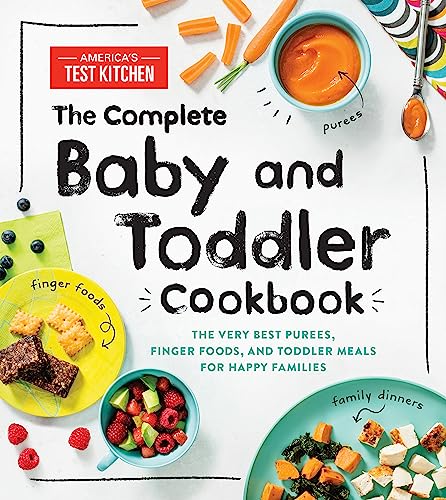
The Complete Baby and Toddler Cookbook: The Very Best Baby and Toddler Food Recipe Book (America's Test Kitchen Kids)

Starting Solids: An easy and practical evidence-based guide to introducing healthy baby food and allergens written by a dietitian

Top 100 Baby Purees: Top 100 Baby Purees

Baby Food Bible: A Nourishing Guide to Feeding Your Family, From First Bite and Beyond
Disclaimer
Baby product selection and parenting decisions involve personal preferences and individual circumstances. The information provided on CradleCheck is for educational and informational purposes only. We are not medical professionals, and our content should not replace professional medical advice, diagnosis, or treatment. Always consult with your pediatrician or healthcare provider regarding your baby's health and safety. Some content may use AI assistance. Always check product safety standards and recalls before purchasing. If you do not agree, please do not use this website. Read the full disclaimer.