Newborn Snot Sucker: Complete Buying Guide for Parents
Discover how to choose the right nasal aspirator for your congested newborn. Compare manual and electric options, learn safe usage techniques, and make a confident purchase decision.
What You'll Learn
What Is a Newborn Snot Sucker?
A newborn snot sucker — also called a nasal aspirator — is a gentle suction device designed to clear mucus from your baby's tiny nasal passages. Newborns breathe primarily through their noses, so even a small amount of congestion can make feeding, sleeping, and breathing uncomfortable. Unlike adult nasal sprays or decongestants, which are not safe for infants, a snot sucker offers a mechanical, drug-free way to relieve stuffiness.
Most pediatricians recommend keeping a nasal aspirator in your newborn care kit from day one. Whether you're stocking up on newborn must-haves or building a list of necessary items for newborn care, a snot sucker is a small but essential tool that can make a big difference during cold season or when allergies strike.
Why Your Newborn Needs a Snot Sucker
Newborns are obligate nasal breathers for the first several months of life, meaning they rely almost entirely on their noses for breathing. When mucus builds up, it can interfere with feeding (since babies need to breathe through their noses while nursing or bottle-feeding), disrupt sleep, and cause general fussiness. A snot sucker helps by:
- Clearing airway obstruction: Removing mucus that blocks tiny nasal passages.
- Improving feeding: Babies can latch and breathe more comfortably when their noses are clear.
- Supporting better sleep: Congestion often worsens at night; clearing it helps your baby rest.
- Reducing complications: Clearing mucus can help prevent it from draining into the ears or chest.
If your baby is showing signs of congestion alongside other symptoms, you may also want to have a reliable infant thermometer on hand to monitor for fever, and a non-contact infrared thermometer for quick checks without disturbing a sleeping baby.
Types of Newborn Snot Suckers
There are three main categories of nasal aspirators on the market, each with distinct advantages and trade-offs. Understanding these types will help you match the product to your comfort level and your baby's needs.
1. Bulb Syringes (Rubber Suction Bulbs)
The classic bulb syringe is often provided in hospital discharge kits. You squeeze the bulb, insert the tip into the nostril, and release to create suction. These are simple, effective for mild congestion, and require no batteries or filters. However, they can be difficult to clean thoroughly, and the suction strength is limited. They're best suited as a backup or travel option.
2. Mouth-Operated (Oral) Aspirators
These devices use a tube system where the parent sucks through a mouthpiece to create suction. A filter prevents mucus from reaching the parent's mouth. Mouth-operated aspirators offer excellent suction control and are very effective for thicker mucus. They're generally easy to clean (most parts are dishwasher-safe) and are a popular choice for parents who want strong, adjustable suction without batteries.
3. Electric Nasal Aspirators
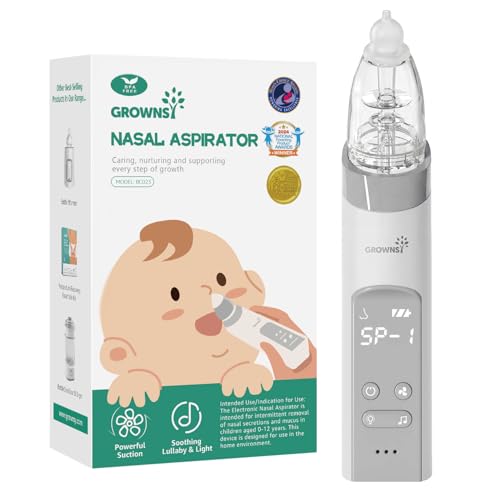
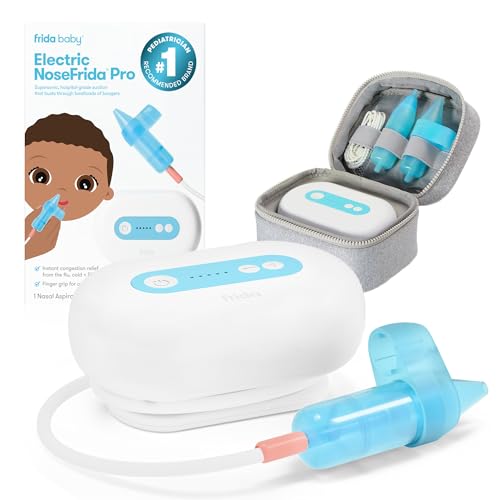
Battery-powered or rechargeable electric aspirators provide consistent suction at the push of a button. They're convenient for frequent use and are especially helpful for parents who find mouth-operated models unappealing. Electric models vary widely in suction strength and noise level; some are gentle enough for newborns, while others are better suited for older infants with thicker congestion. They require regular cleaning of the collection cup and nozzle.
How to Choose the Right Snot Sucker
When evaluating options, focus on these key factors rather than brand names or marketing claims:
Suction Control
For newborns, gentle and adjustable suction is critical. Mouth-operated aspirators give you the most control, while electric models should offer at least two suction levels. Bulb syringes offer limited control but are inherently gentle.
Tip Design & Safety
Look for soft, rounded tips made of silicone or medical-grade materials. The tip should be narrow enough to fit comfortably in a newborn's nostril but with a safety flange or wider base to prevent over-insertion. Avoid tips with sharp edges or hard plastic components.
Ease of Cleaning
Nasal aspirators come into contact with mucus, so they must be easy to disassemble and clean. Dishwasher-safe parts are a major convenience. Bulb syringes are the hardest to clean thoroughly; mouth-operated and electric models with removable cups are easier.
Noise Level (Electric Models)
Electric aspirators can be noisy, which may startle a newborn. If you choose electric, look for models described as quiet or with a low-decibel motor. Many parents prefer to use electric aspirators when the baby is already awake and fussy rather than during sleep.
Portability & Power
Bulb syringes and mouth-operated aspirators are highly portable and require no power. Electric models vary; some are compact and battery-operated, while others are rechargeable and slightly larger. Consider where you'll use the device most — at home, during travel, or both.
Filter System
Mouth-operated aspirators use disposable or washable filters to block mucus from reaching the parent. Check that replacement filters are readily available and that the filter is easy to inspect and replace.
Tier Comparison Guide
To help you compare options without focusing on specific brands, here's a tier-based framework for evaluating newborn snot suckers:
| Tier | Typical Characteristics | Best For |
|---|---|---|
| Entry-Level | Basic bulb syringe or simple mouth-operated aspirator; limited parts; minimal suction control; basic materials | Parents who want a straightforward backup tool or occasional-use option |
| Mid-Range | Well-designed mouth-operated aspirator with filter system; soft silicone tips; dishwasher-safe components; good suction control | Most families seeking a reliable, easy-to-clean daily-use aspirator |
| Premium | Electric or high-end mouth-operated model; multiple suction levels; quiet motor; premium materials; comprehensive cleaning kit; travel case | Parents who want maximum convenience, consistent suction, and long-term durability |
Within each tier, the best choice depends on your personal preference for manual vs. electric operation and your cleaning routine. A mid-range mouth-operated aspirator is often the sweet spot for newborns because it combines effective suction with gentle control and easy maintenance.
Editor's Tip: Many parents keep two snot suckers on hand — a bulb syringe for quick middle-of-the-night use and a mouth-operated or electric aspirator for more thorough clearing during the day. This approach ensures you're never caught without a clean, functional tool.
Safety Tips & Proper Usage
Using a snot sucker correctly is just as important as choosing the right one. Follow these guidelines to keep your newborn safe and comfortable:
Before Use
- Wash your hands thoroughly with soap and water.
- Inspect the aspirator for cracks, sharp edges, or loose parts.
- If using a saline drop or spray (recommended by many pediatricians), apply it first and wait 30–60 seconds to loosen mucus.
- Ensure the tip is clean and the filter (if applicable) is in place.
During Use
- Hold your baby upright or slightly reclined — never flat on their back.
- Insert the tip gently into the nostril, no more than a few millimeters. Do not force it.
- Use short, gentle suction bursts (2–3 seconds) rather than prolonged suction.
- Release suction before removing the tip to avoid irritating nasal tissue.
- Limit each session to 2–3 suctions per nostril and no more than 3–4 sessions per day.
- Stop immediately if your baby shows signs of pain, bleeding, or distress.
After Use
- Clean the aspirator immediately according to the manufacturer's instructions.
- Wash your hands again.
- Store the device in a clean, dry place.
If your baby's congestion is accompanied by fever, difficulty breathing, or persistent crying, consult your pediatrician promptly. A highly accurate infant thermometer can help you track temperature trends, and a non-contact thermometer is useful for quick checks. For general newborn care, refer to our guide on newborn must-haves and necessary items for newborn to ensure you're fully prepared.
Cleaning & Maintenance
Proper cleaning extends the life of your snot sucker and prevents the spread of germs. Here's how to care for each type:
Bulb Syringes
Disassemble if possible (some bulbs have a removable tip). Wash with warm soapy water, rinse thoroughly, and squeeze out excess water. Allow to air-dry completely with the tip pointing down. Replace the bulb if it becomes discolored, stiff, or cracked — typically every 2–3 months with regular use.
Mouth-Operated Aspirators
Disassemble all parts, including the filter housing and collection cup. Most components are dishwasher-safe (verify in the manual). Wash the mouthpiece and tubing with warm soapy water, rinse, and air-dry. Replace the filter after every use or if it becomes wet or discolored. Store the device fully dry to prevent mold growth.
Electric Aspirators
Remove the collection cup and nozzle. Wash these parts with warm soapy water or place them in the dishwasher if permitted. Wipe the motor unit with a damp cloth — never submerge it in water. Dry all parts completely before reassembling. Check the manufacturer's instructions for replacing filters or collection cups.
Hygiene Reminder: Never share a snot sucker between children without thoroughly cleaning and disinfecting it first. Keep a separate aspirator for each child if possible, or clean meticulously between uses.
Frequently Asked Questions
A newborn snot sucker, also known as a nasal aspirator, is a device used to gently remove mucus from a baby's nasal passages to help relieve congestion and make breathing easier. It's a drug-free, mechanical tool that's safe for infants when used correctly.
Manual snot suckers offer more control and are gentler for newborns, while electric models provide consistent suction with less effort. Both are safe when used correctly. Many parents prefer mouth-operated manual aspirators for newborns due to their gentle, adjustable suction and ease of cleaning. Electric models can be convenient for frequent use but may be noisier and less precise.
Use a snot sucker only when your baby is congested and struggling to breathe or feed. Limit use to a few times per day — typically no more than 3–4 sessions, with 2–3 suctions per nostril per session. Avoid overuse, as it can irritate nasal passages. Always follow the manufacturer's instructions and consult your pediatrician if congestion persists or worsens.
Yes, many pediatricians recommend using saline nasal drops or spray before suctioning. Saline helps loosen and thin mucus, making it easier to remove. Apply 1–2 drops to each nostril, wait 30–60 seconds, then use the snot sucker. Saline is safe for newborns and does not contain medication.
Yes, a snot sucker is specifically designed for this purpose. However, it's important to use it gently and not excessively. If your baby has a cold with fever, difficulty breathing, or other concerning symptoms, consult your pediatrician. A snot sucker provides temporary relief but does not treat the underlying cause of congestion.
You'll typically see mucus collected in the device after use. Your baby may also breathe more easily, feed better, or seem less fussy. If you don't see results after a few attempts, the mucus may be too thick or too deep; try saline drops first, and avoid repeated forceful suctioning, which can cause irritation.
Replace bulb syringes every 2–3 months with regular use, or sooner if they become discolored, stiff, or cracked. Mouth-operated aspirators may last longer but should be replaced if the filter housing cracks or the tubing becomes cloudy or difficult to clean. Electric aspirators should be replaced if suction weakens or parts become damaged. Always follow the manufacturer's recommended replacement schedule.
Ready to Choose the Right Snot Sucker?
Explore our curated selection of recommended newborn snot suckers below. Each option is selected based on safety, ease of cleaning, and effectiveness for infant congestion relief.