Strollers Guide
Learn how to choose the perfect stroller that complements your car seat and lifestyle.
Read More →
Choosing the right car seat is one of the most important decisions for your child's safety. Explore our comprehensive guide to infant, convertible, and booster seats.
SHOP RECOMMENDED CAR SEATSDid you know? According to the CDC, motor vehicle injuries are a leading cause of death among children. Properly using a car seat reduces the risk of death by 71% for infants and 54% for toddlers. Let us help you find the perfect seat for your little one.
Understanding the different types of car seats is the first step to making an informed choice. Each type is designed for specific age, weight, and height ranges.
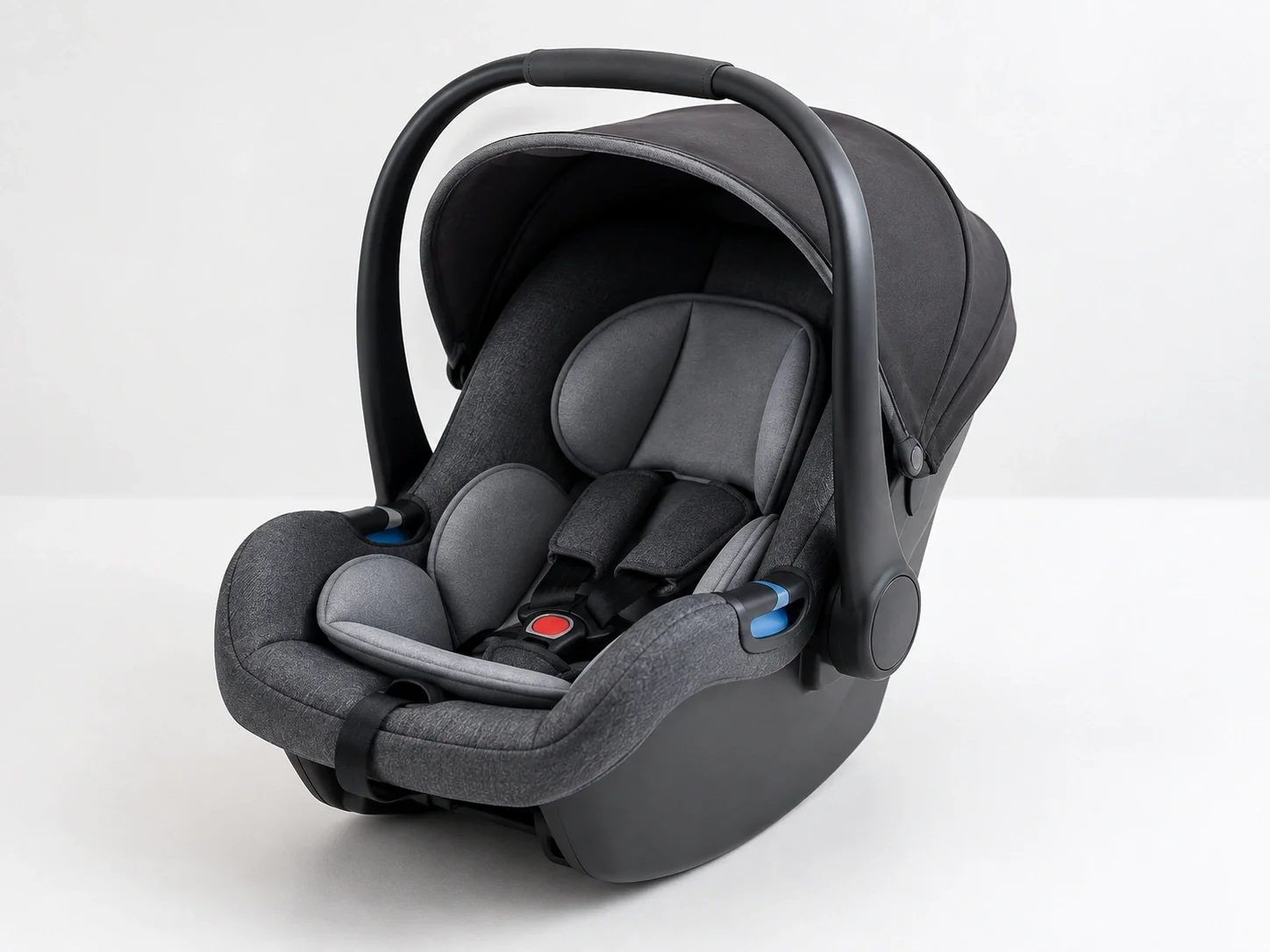
Entry-level to mid-range
Rear-facing only seats designed for newborns and small babies. They are portable and can be clicked into a base that stays in the car, or used with a stroller as a travel system.
Best for: Birth to 22–35 lbs, up to 30–32 inches.
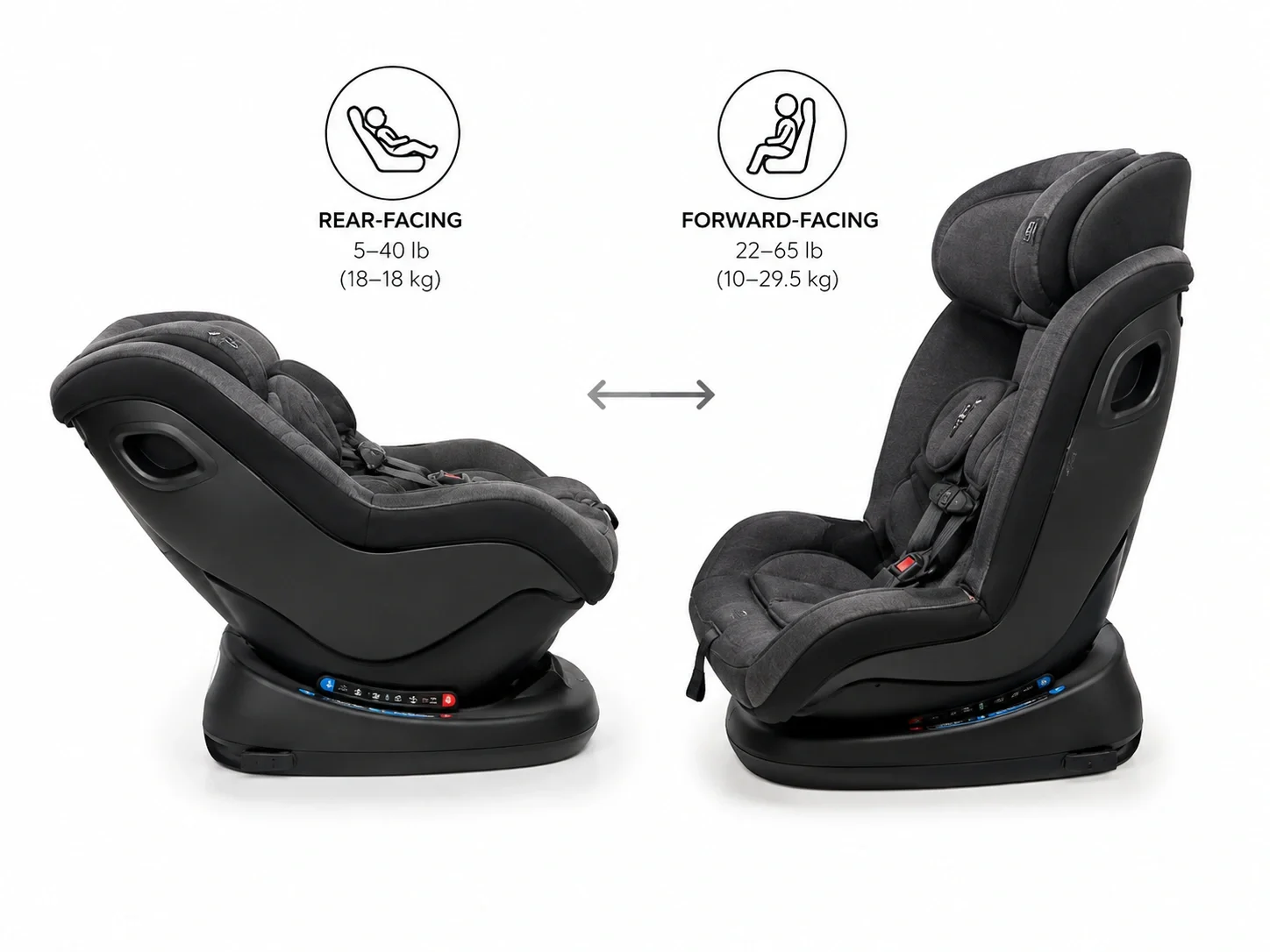
Mid-range to premium
Convertible seats can be used rear-facing and then converted to forward-facing as your child grows. They are bulkier but last much longer.
Best for: 5–65 lbs, depending on model.
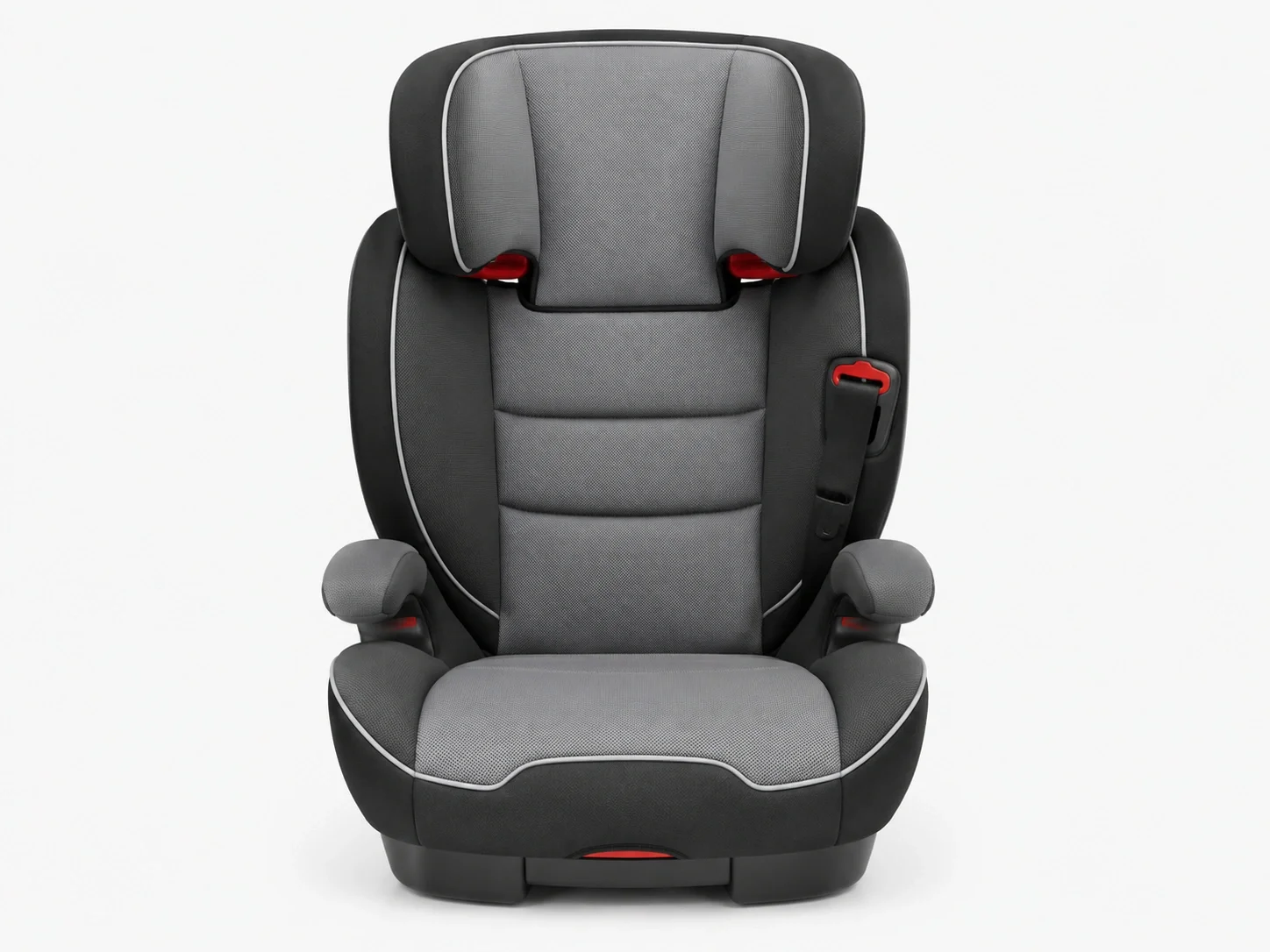
Budget-friendly to mid-range
Booster seats position the vehicle's seat belt correctly over the child's body. They come in high-back and backless versions.
Best for: 40–100+ lbs, up to 4 feet 9 inches.
All car seats sold in the US must meet Federal Safety Standard FMVSS 213. However, some seats exceed the minimum requirements with additional safety features.
Here's a quick overview of the most popular car seat types to help you decide which one fits your needs.
| Feature | Infant Seat | Convertible Seat | Booster Seat |
|---|---|---|---|
| Age Range | 0–12 months | 0–4+ years | 4–12 years |
| Weight Range | 4–35 lbs | 5–65 lbs | 40–120 lbs |
| Orientation | Rear-facing only | Rear & Forward-facing | Forward-facing only |
| Portability | High (carry handle) | Low (stays in car) | Low (stays in car) |
| Market Tier | Entry-level to mid-range | Mid-range to premium | Budget-friendly to mid-range |
Choosing the best car seat involves more than just picking the most expensive model. Here are key factors to consider:
Always follow the manufacturer's guidelines. Keep your child rear-facing as long as possible – at least until age 2 or until they reach the maximum height/weight limit for rear-facing mode. Many convertible seats now support rear-facing up to 50 lbs.
Not all car seats fit all vehicles. Check the seat's dimensions and whether your car has LATCH anchors or you'll need to use the seat belt. Some seats are narrower and better for small cars or three-across configurations.
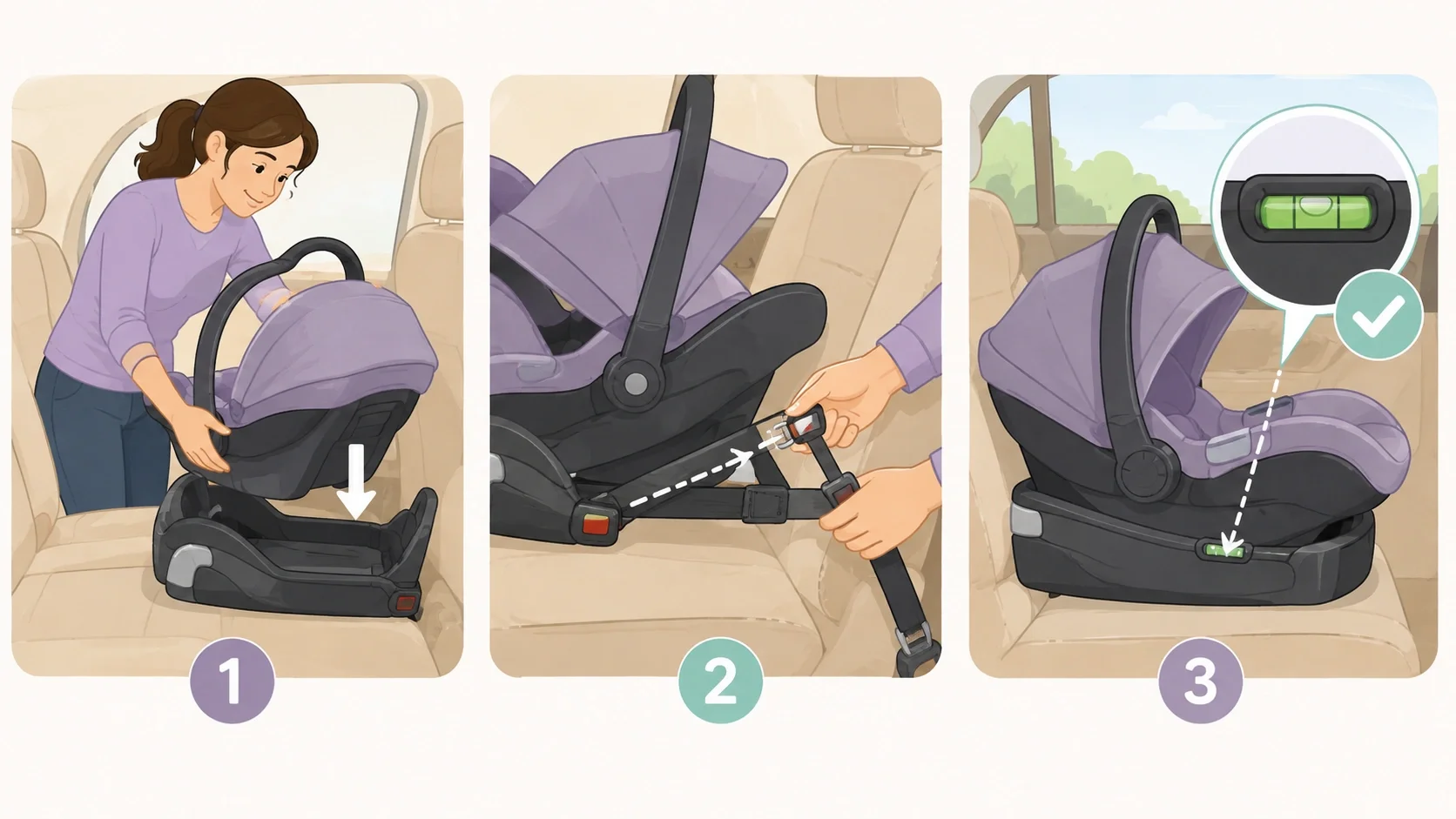
A seat that is difficult to install is more likely to be installed incorrectly. Look for features like push-on LATCH connectors, base level indicators, and adjustable headrests that make installation simpler.
Consider extras like multiple recline positions, no-rethread harness, machine-washable covers, and built-in cup holders. These can make daily use more convenient. Higher-tier models often include more of these convenience features, while entry-level seats focus on core safety essentials.
Car seats have an expiration date (usually 6–10 years from manufacture). Never use an expired seat, as materials can degrade and safety standards may change.
Pro Tip: If you're planning to have more children, a convertible seat that lasts from birth to booster-ready stage is a great investment. Alternatively, an infant seat + a convertible seat combo is a popular choice for many families. Explore our travel systems guide for compatible strollers and car seats.
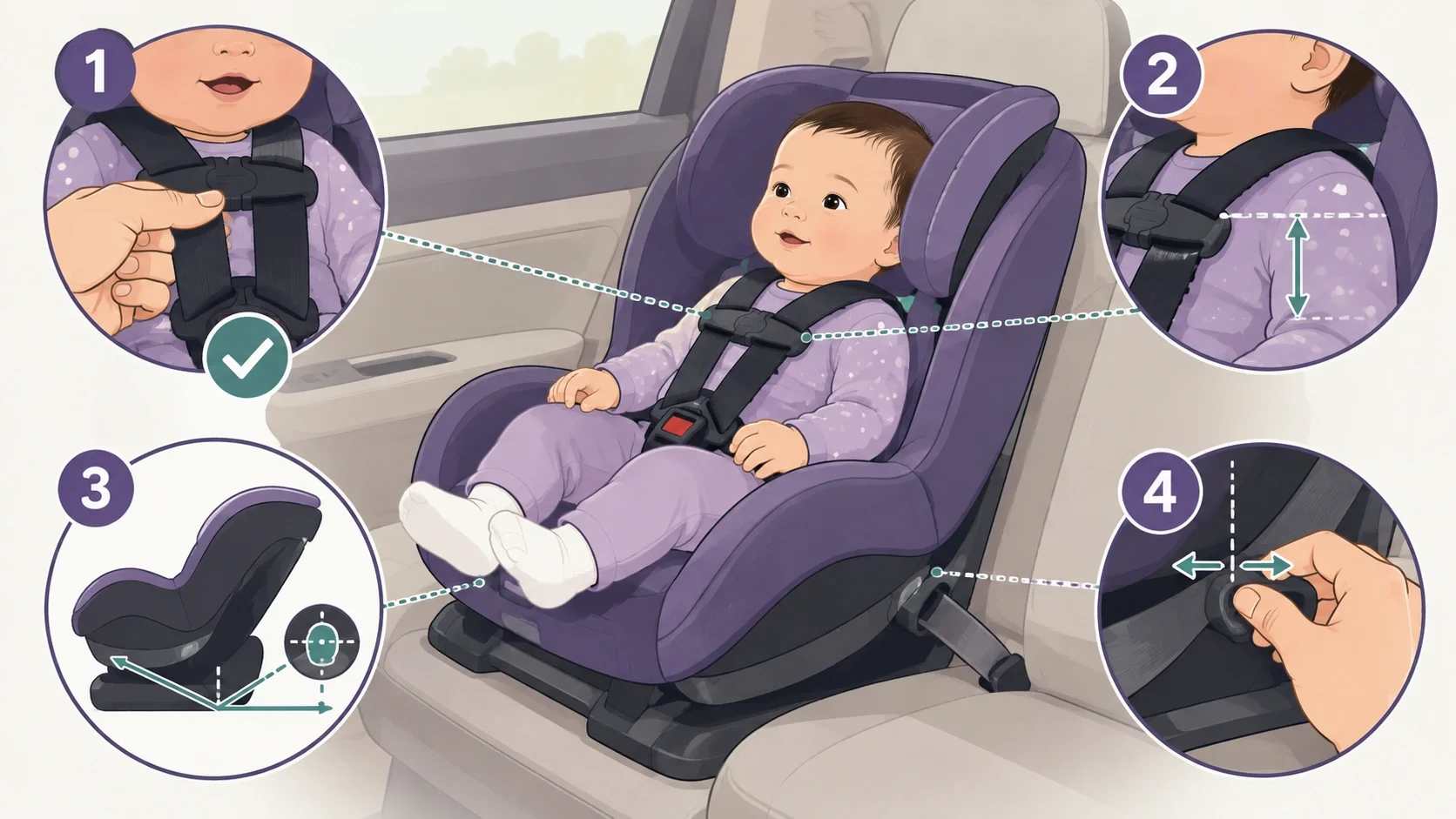
Proper installation is critical. Here's a quick checklist:
You can find a baby proofing checklist for more safety tips. Many local fire stations and hospitals offer free car seat inspection events – take advantage of them!
Switch when your baby exceeds the infant seat's height or weight limit, or when the top of the head is less than 1 inch from the top of the shell.
Most manufacturers recommend replacing any seat involved in a moderate to severe crash. Check your manual. Some allow use after a minor crash if all criteria are met.
We strongly recommend against buying used car seats unless you personally know the history and are certain it hasn't been in a crash, is not expired, and has all parts. For peace of mind, consider our second-hand guide for other baby items instead.

Learn how to choose the perfect stroller that complements your car seat and lifestyle.
Read More →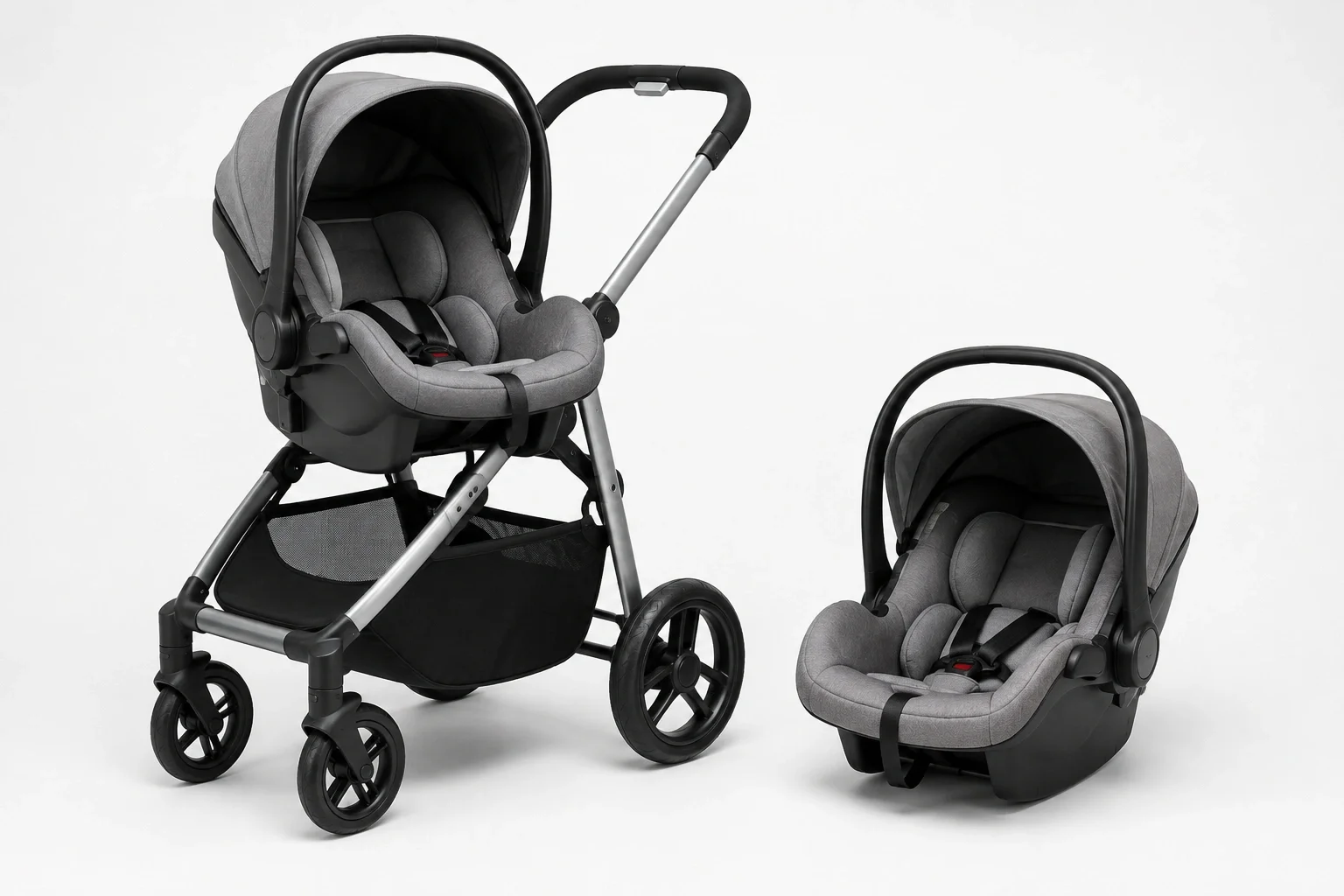
Discover the convenience of travel systems that combine car seats and strollers.
Read More →
Make your home and vehicle safe for your little one with our comprehensive baby proofing tips.
Read More →⚠️ AFFILIATE DISCLOSURE: This website contains affiliate links. As an Amazon Associate, we earn from qualifying purchases. If you make a purchase through these links, we may receive a small commission at no additional cost to you. Read our full affiliate policy.


Baby product selection and parenting decisions involve personal preferences and individual circumstances. The information provided on CradleCheck is for educational and informational purposes only. We are not medical professionals, and our content should not replace professional medical advice, diagnosis, or treatment. Always consult with your pediatrician or healthcare provider regarding your baby's health and safety. Some content may use AI assistance. Always check product safety standards and recalls before purchasing. If you do not agree, please do not use this website. Read the full disclaimer.