Baby Shoes Guide: Finding the Perfect First Shoes
From pre-walkers to confident steps, learn how to choose safe, comfortable, and stylish baby shoes that support healthy foot development.
START READINGWhy the Right Baby Shoes Matter: Your baby’s first shoes are more than just a fashion statement—they play a vital role in foot development and safety. With so many options available, it’s easy to feel overwhelmed. This guide simplifies everything you need to know about choosing the best baby shoes for every stage, ensuring your little one takes their first steps with confidence and comfort.
When Should Your Baby Start Wearing Shoes?
Before your baby starts walking, shoes are primarily for warmth and protection. Newborn clothing often includes soft booties, but these are not meant for walking. The real decision comes when your baby begins to pull up and cruise.
Most pediatricians and child development experts recommend letting babies go barefoot as much as possible indoors. Walking barefoot helps strengthen foot muscles and improves balance. When you venture outdoors or onto rough surfaces, however, a good pair of baby shoes is essential.
- Pre-walkers (0–6 months): Soft, flexible booties for warmth.
- Early walkers (6–12 months): Flexible, thin-soled shoes for indoor/outdoor use.
- First steps (12–24 months): Sturdier soles with good traction for outdoor adventures.
What to Look for in Baby Shoes
Choosing the right baby shoes involves more than just picking the cutest design. Here are the most critical features to consider:
- Flexible Soles: The sole should bend easily at the ball of the foot to allow natural movement. Stiff soles can hinder foot development and make walking difficult.
- Breathable Materials: Look for shoes made from leather, canvas, or mesh. These materials allow air circulation, keeping little feet dry and reducing the risk of blisters and odors.
- Secure Fit: Shoes should have adjustable closures like velcro straps, laces, or buckles. A snug fit prevents slipping and provides ankle support.
- Non-Slip Soles: Rubber soles with a textured pattern provide traction, helping your baby maintain stability on smooth surfaces.
- Room to Grow: There should be about a half-inch (thumb-width) of space between the longest toe and the end of the shoe. This allows for natural foot movement and growth.
For more on baby essentials, check out our newborn must-haves guide, which covers all the early gear you’ll need.
Types of Baby Shoes & When to Use Them
Not all baby shoes are created equal. Here’s a breakdown of the most common types and their best uses:
1. Crib Shoes & Booties
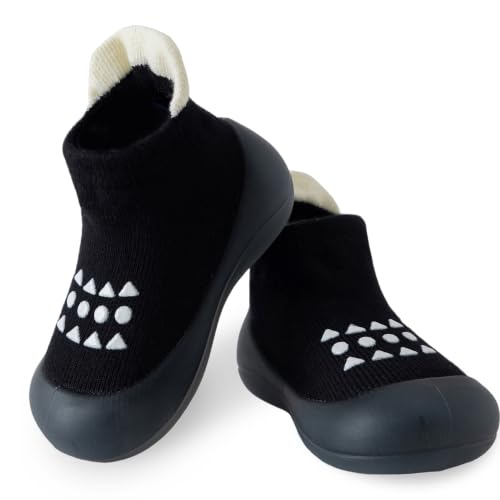
These are soft, sock-like shoes designed for newborns. They keep tiny feet warm and are perfect for indoor use. They are not meant for walking but are great for adding a cute touch to newborn clothing.
2. Pre-Walkers
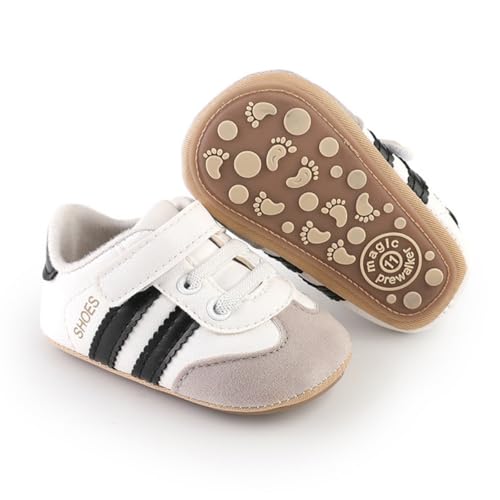
Pre-walkers have thin, flexible soles and are ideal for babies who are crawling and beginning to pull up. They provide protection without restricting movement. Brands like Robeez and Soft Star are known for quality pre-walkers.
3. First Walkers
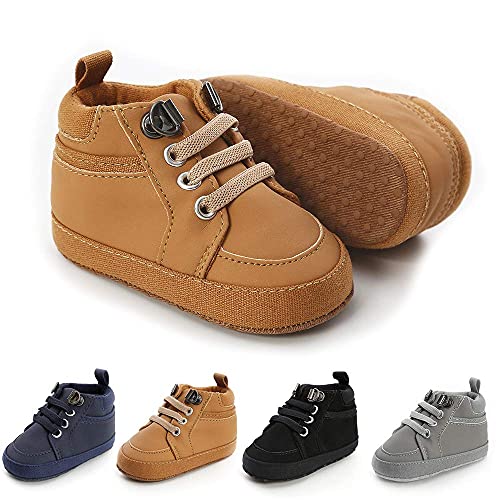
Designed for babies who are taking their first steps, these shoes have slightly thicker soles with good grip. They offer more support while still allowing flexibility. Popular choices include Stride Rite and See Kai Run.
4. Toddler Shoes
Once your child is walking confidently, you can transition to sturdy shoes for outdoor play. These often have durable outsoles and reinforced toe caps for extra protection. Many parents also look into seasonal clothing options to match the weather.
How to Measure Baby Shoe Size
Getting the right size is crucial. A poorly fitting shoe can cause blisters, discomfort, and even affect walking. Follow these steps:
- Measure at the end of the day: Feet swell slightly, so measure when your baby has been active.
- Use a foot measuring device: Many stores have measuring tools for kids. You can also use a printable size chart.
- Check the width: Baby feet come in different widths. Make sure the shoe is snug but not tight around the widest part.
- Allow thumb-width space: Press the toe of the shoe; there should be about 1/2 inch (1 cm) of space between the longest toe and the front of the shoe.
Remember, baby feet grow quickly. Check the fit every 2-3 months and replace shoes as needed. For more budget-conscious advice, see our baby budget guide.
Materials & Safety Considerations
The materials used in baby shoes are just as important as the fit. Here’s what to prioritize:
- Leather: Breathable and durable; molds to the foot shape over time.
- Canvas: Lightweight and washable; great for warm weather.
- Mesh: Highly breathable; often used in athletic-style baby shoes.
- Avoid synthetic materials: They can trap moisture and cause irritation.
- Check for toxins: Ensure the shoes are free from harmful chemicals like BPA, lead, and phthalates. Look for certifications like OEKO-TEX.
For a deeper dive into safe products, you might find our baby proofing tools guide helpful, as it covers safety in other areas of your home.
Top Baby Shoe Brands
Several brands consistently receive high marks from parents and pediatricians. Here are a few standouts:
- Stride Rite: Known for their wide fit and durability; a classic choice.
- See Kai Run: Offers stylish, flexible shoes with excellent traction.
- Robeez: Favorite pre-walker brand with soft, breathable designs.
- Pediped: Features a flexible sole and has earned the seal of acceptance from the American Podiatric Medical Association (APMA).
- New Balance: Great for active toddlers, offering supportive and lightweight options.
When you’re ready to buy, consider online registry options to add shoes to your wishlist and get completion discounts.
Caring for Baby Shoes
To keep your baby’s shoes in good condition and extend their life:
- Clean regularly: Wipe leather with a damp cloth. Canvas and mesh can often be machine-washed (check the label).
- Air dry: Avoid direct heat, which can warp the material.
- Rotate pairs: Having two pairs allows each to air out between uses.
- Check for wear: Regularly inspect soles for thinning and seams for fraying.
For more practical parenting tips, explore our baby laundry tips guide, which covers caring for all your baby’s textiles.
FAQs About Baby Shoes
- Do babies really need shoes?
- Not until they start walking outdoors. Barefoot is best for development, but shoes are needed for protection on rough surfaces and in cold weather.
- How often should I replace baby shoes?
- Every 2–4 months, depending on how fast your baby’s feet are growing. Check the fit regularly.
- What size should I buy if I’m not sure?
- It’s best to measure. If buying online, many brands have size charts. Err on the side of slightly larger, but not so large that the shoe falls off.
- Are hand-me-down shoes okay?
- They can be, but remember that each child’s foot is unique. If the shoe is worn down unevenly, it might not support proper alignment. For more on second-hand purchases, see our second-hand guide.
Final Thoughts: Choosing the Best Baby Shoes
Your baby’s first shoes are a small but significant step in their journey. By focusing on flexibility, fit, and breathability, you can ensure their feet develop healthily while keeping them safe and comfortable. Remember, every baby is different, so watch your child’s cues—if they seem uncomfortable, it’s time to re-evaluate their footwear.
Whether you’re looking for stylish crib shoes or durable first walkers, the right pair is out there. For more guidance on preparing for your little one, explore our registry checklist to ensure you have all the essentials.