Most Comfortable Pack and Play for Sleeping
Choosing the right pack and play is about more than portability. Discover which features create a genuinely comfortable, safe sleep environment for your baby — at home or on the go.
COMPARE TOP PICKSWhy comfort matters for pack and play sleep: Babies sleep up to 16 hours a day in their first months. A pack and play with a supportive, flat mattress, a stable frame, and proper ventilation can make the difference between restless nights and restorative sleep. This guide breaks down what actually matters — mattress construction, height settings, safety certifications, and ease of assembly — so you can decide with confidence.
What Makes a Pack and Play Comfortable for Sleeping?
Parents often assume all pack and plays feel the same. In practice, comfort comes down to a handful of engineering details that affect how well your baby settles and stays asleep:
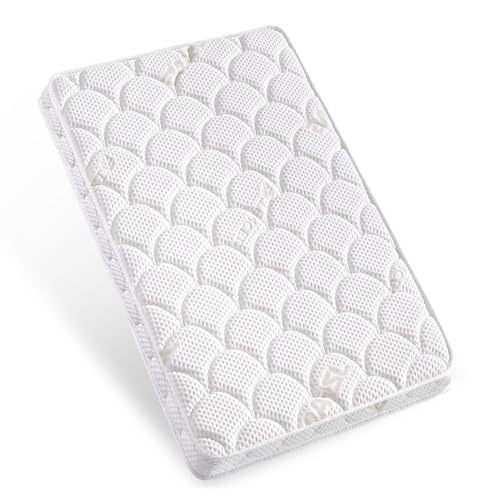
- Mattress support and thickness: A firm, flat surface is essential for infant safety. Mid-tier and top-tier models typically include a thicker, quilted mattress pad or a reinforced bassinet insert that reduces the "hammock" feel common in entry-level units.
- Sturdy frame and base: A solid build with reinforced corners prevents sagging and rocking — critical for infants who startle easily. Look for high-grade steel or heavy-duty plastic joints.
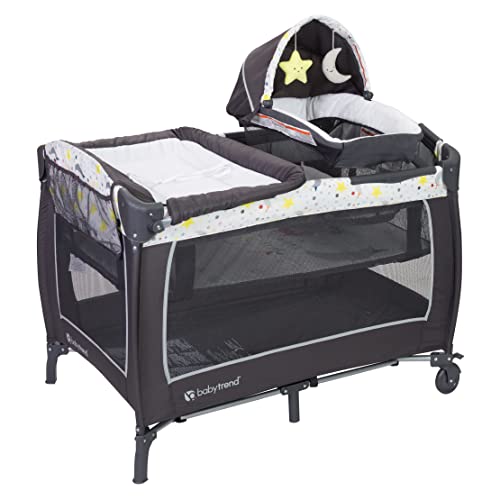
- Elevated bassinet level: The bassinet insert lets you place a newborn at a more accessible height and often provides a more padded, cocoon-like surface than the main floor.
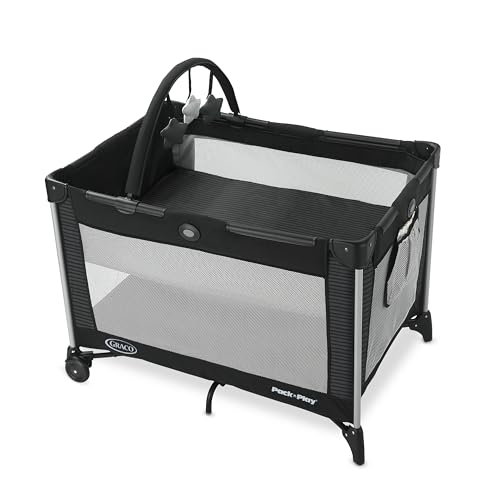
- Breathable mesh sides: Full mesh panels improve airflow and let you check on your baby without disturbing them — a simple but meaningful comfort factor.
- Stability on uneven floors: Anti-slip feet and a wide footprint reduce wobble, which matters when you use the pack and play in hotels, grandparents' homes, or on hardwood.
- Easy, secure setup: A pack and play that clicks firmly into place and stays taut provides a more predictable sleep surface than one that shifts or sags.
Safety first: Always use the mattress and insert that came with your pack and play. Adding aftermarket mattresses or extra padding can create unsafe gaps. If you want a more comfortable surface, consider a fitted sheet designed for your model — see our guide to the most comfortable pack and play mattress options that stay within safe guidelines.
Comfort & Feature Comparison by Tier
The table below groups popular pack and play styles by market tier so you can see how comfort features scale. Use it to match your needs — a frequent traveler has different priorities than a parent setting up a permanent secondary sleep space.
| Tier | Typical Comfort Features | Best For | Setup & Portability |
|---|---|---|---|
| Entry-level | Basic padded floor, mesh sides, simple bassinet insert | Occasional use, tight spaces | Lightweight, quick fold |
| Mid-range | Thicker quilted mattress, reinforced frame, two height levels | Everyday home use plus travel | One-hand fold, carry bag included |
| Premium | Plush bassinet insert, anti-sag base, breathable mesh panels, storage | Frequent sleep use, grandparents' homes | Tool-free assembly, compact fold |
| Top-tier | Dual-level design, premium mattress pad, rock-solid stability, travel-friendly | Families who prioritize sleep quality and durability | Quick-click setup, wheeled carry bag |
Key Considerations Before You Choose
Beyond the tier, think about how and where you will actually use the pack and play. These practical factors often determine long-term satisfaction:
- Sleep surface firmness: Pediatric guidance favors a firm, flat surface. A pack and play that stays taut and doesn't dip in the center is the safest and, ultimately, the most restful.
- Weight and folded size: If you plan to travel by air or move the unit between rooms, check the folded dimensions and carry bag design. Compact models that fold like an umbrella are easier to stow.
- Bassinet vs. full-size use: Newborns often sleep better in the elevated bassinet insert, which is closer to the parent and better ventilated. Confirm the bassinet weight limit and remove it once your baby can push up.
- Cleaning and maintenance: Spills and spit-up happen. Removable, machine-washable mattress covers and wipeable mesh make a real difference in daily comfort.
- Noise and motion: Some premium models include gentle vibration or soothing sounds. These are optional comfort extras — never rely on motion for sleep safety.
Editorial note: Comfort is subjective, but safety is not. Always follow the manufacturer's weight and height limits, keep the sleep surface free of pillows, blankets, and toys, and place the pack and play on a firm, level floor. For a broader look at newborn sleep setups, see our guide to newborn must-haves and newborn sleeping safety.
How to Make Any Pack and Play More Comfortable
You do not always need a new unit. Small adjustments can meaningfully improve sleep quality:
- Use a fitted sheet made specifically for your pack and play mattress — loose sheets are a suffocation hazard.
- Place the unit on a firm, level surface away from drafts and direct sunlight.
- Keep the room at a comfortable temperature and use a wearable blanket instead of loose bedding. Our newborn wearable blanket guide explains safe options.
- If the bassinet insert feels thin, check whether the manufacturer offers a compatible quilted insert — do not improvise with aftermarket foam.
- Introduce the pack and play for short naps before relying on it overnight, so your baby adjusts gradually.
Frequently Asked Questions
Is a pack and play comfortable enough for overnight sleep?
Yes — when used as designed. A firm, flat mattress with a taut surface is actually the recommended sleep environment for infants. Many parents use a pack and play as a primary crib, especially in smaller homes or for travel. Choose a mid-range or premium model with a thicker mattress pad and a stable frame for the best experience.
Can I add a mattress topper to make it more comfortable?
Generally no. Aftermarket toppers and mattresses can create gaps between the mattress and the frame, which is a safety risk. Instead, look for a pack and play that includes a quilted mattress pad or a bassinet insert designed by the manufacturer for that model.
How long can a baby sleep in a pack and play?
Most pack and plays support infants and toddlers up to the manufacturer's weight and height limits — often around 30 pounds or 35 inches for the main level. The bassinet insert typically has a lower limit (often 15 pounds) and should be removed once your baby can push up on hands and knees. Always check your specific model's manual.
What is the best pack and play for travel and sleep?
The best travel-friendly options fold compactly, set up with a single click, and include a carry bag. Mid-range and premium models increasingly offer one-hand folds and reinforced frames that stay stable on hotel floors. Prioritize a firm mattress and secure locking joints over extra features.
Do pack and plays need a special sheet?
Yes. Use a fitted sheet designed for your exact pack and play model. Standard crib sheets are usually too large and can bunch up, creating a hazard. Many manufacturers sell compatible sheets, and third-party brands offer snug-fit options.
Final Thoughts
The most comfortable pack and play for sleeping is the one that combines a firm, flat sleep surface with a stable frame, breathable mesh, and a setup that fits your lifestyle. Entry-level models can work for occasional naps, but families who rely on a pack and play nightly — or who travel often — will notice the difference in mattress support and build quality that mid-range and premium tiers provide.
Ready to compare specific models? Browse our curated recommendations below, and pair your choice with a compatible fitted sheet and a safe sleep environment. For related guidance, explore our nursery glider recliner guide and nursery layout ideas to complete your baby's sleep space.