
Pelvic Floor Recovery Guide
Essential tools, exercises, and expert advice to support your postpartum pelvic health. Regain strength and confidence with our comprehensive guide.
Why Pelvic Floor Matters: Pregnancy and childbirth can weaken pelvic floor muscles, leading to issues like incontinence, prolapse, and discomfort. Proper recovery is essential for long-term health and quality of life. This guide covers everything from symptoms to the best products for rehabilitation.
Understanding Your Pelvic Floor
The pelvic floor is a group of muscles and tissues that support your bladder, bowel, and uterus. During pregnancy, these muscles stretch and can become weakened. Common symptoms include leaking urine, feeling of heaviness, and lower back pain. Early intervention with targeted exercises and the right support tools can make a significant difference in your recovery journey.
Many new moms also benefit from using postpartum care kits and belly wraps to provide additional support during the healing process. For those who have undergone a C-section, pelvic floor therapy is equally important, though the approach may differ slightly.
Pelvic Floor Exercises & Therapy Tools
Kegel Exercises
Kegel exercises are the most effective way to strengthen your pelvic floor. To perform correctly, identify the muscles used to stop urination mid-stream. Squeeze these muscles for 5 seconds, relax for 5 seconds, and repeat 10–15 times, three times a day.
Tip: Use a pelvic floor trainer or biofeedback device to ensure you're engaging the right muscles.
Support Belts & Compression
Pelvic support belts can help reduce pressure on the pelvic floor, especially during activities like walking or lifting. They are particularly useful for moms experiencing diastasis recti or general pelvic instability.
Consider pairing with compression socks for overall circulation support.
Recognizing Symptoms & Getting Help
If you experience urinary leakage, pelvic pain, or a feeling of fullness in the vagina, it's time to see a pelvic floor physical therapist. Early intervention can prevent long-term issues. Many women also find relief using sitz baths and perineal care products to soothe the area.
For those with more severe symptoms, a pelvic floor stimulator or postpartum recovery kit may be recommended by your healthcare provider.
Lifestyle Habits for Pelvic Health
- Hydration: Drink plenty of water but avoid bladder irritants like caffeine and acidic drinks.
- Posture: Maintain good posture while sitting and standing to reduce pressure on the pelvic floor.
- Breathing: Practice deep belly breathing to engage the pelvic floor and diaphragm.
- Weight Management: Maintaining a healthy weight reduces strain on pelvic muscles.
Combining these habits with regular exercise and the right products can significantly accelerate your recovery. For more tips on overall wellness, explore our breastfeeding guide and self-care for moms articles.
Best Pelvic Floor Recovery Products
⚠️ AFFILIATE DISCLOSURE: This website contains affiliate links. As an Amazon Associate, we earn from qualifying purchases. If you make a purchase through these links, we may receive a small commission at no additional cost to you. Read our full affiliate policy.

Pelvic Floor Exercise Devices 35lb Resistance Kegel Thigh Trainer with Band | Pelvic Floor Muscle Training, Inner Thigh Exerciser, Postpartum Recovery Support for Women, Suitable for Women and Men
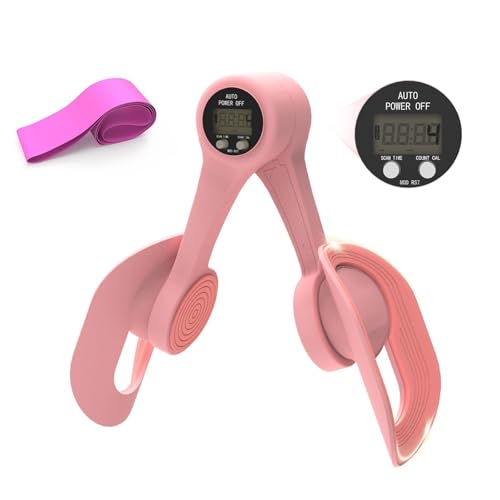
Thigh Trainer with LED Display - Pelvic Floor Trainer for Hip, Leg, Arm | 360° Adjustable Inner Thigh Exerciser with 20LB Resistance Band, Home Workout Equipment for Women, Pink
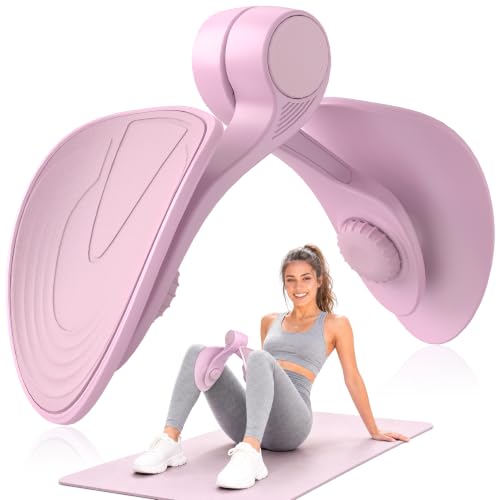
Pelvic Floor Exercise Devices 35lb Inner Thigh Hip Trainer Kegel Exerciser | Pelvic Floor Muscle Trainer for Women and Men, TPE Protective Pad & 360° Rotation, Easy Home Workout for Postpartum Recovery

2026 New Enhanced 4-in-1 Pelvic Floor Trainer,10 Modes Waterproof Design

Pelvic Floor Exercise Devices 35lb Resistance Kegel Thigh Trainer with Band | Pelvic Floor Muscle Training, Inner Thigh Exerciser, Postpartum Recovery Support for Women, Suitable for Women and Men

Pelvic Floor Exercise Devices 35lb Resistance Kegel Thigh Trainer with Band | Pelvic Floor Muscle Training, Inner Thigh Exerciser, Postpartum Recovery Support for Women, Suitable for Women and Men

Pelvic Health Device for Women, Pelvic Muscle Trainer, Kegel Toner for Women

MERACH Pelvic Floor Exercise Devices, Thigh Trainer, Inner Thigh Exerciser | Easy Shaping, Quickly Activates Floor Muscles, 360° Rotation and High-Quality Materials, Suitable for Everyone
Disclaimer
Baby product selection and parenting decisions involve personal preferences and individual circumstances. The information provided on CradleCheck is for educational and informational purposes only. We are not medical professionals, and our content should not replace professional medical advice, diagnosis, or treatment. Always consult with your pediatrician or healthcare provider regarding your baby's health and safety. Some content may use AI assistance. Always check product safety standards and recalls before purchasing. If you do not agree, please do not use this website. Read the full disclaimer.