Perineal Care: Essential Guide for Postpartum Recovery
Your complete resource for perineal healing after birth. Discover expert tips, essential supplies, and practical advice to ensure a comfortable and speedy recovery.
Shop Postpartum EssentialsUnderstanding Perineal Care After Birth
Perineal care is a crucial aspect of postpartum recovery that every new mother should understand. Whether you've had a vaginal birth or a C-section, your perineal area has undergone significant changes. Proper perineal care helps prevent infections, promotes healing, and reduces discomfort.
Many new mothers are unsure about what to expect or how to care for themselves after giving birth. This guide provides clear, practical information to help you navigate this important phase. From understanding different types of tears to knowing which postpartum care kit items are essential, we cover everything you need to know.
Essential Perineal Care Supplies
Having the right supplies on hand before you give birth can make a significant difference in your postpartum experience. Here are the essential items you'll need for effective perineal care:
Perineal Sprays & Foams
- Perineal healing sprays – provide cooling relief and reduce inflammation
- Foam washes – gentle cleansing without irritating sensitive tissue
- Numbing sprays – contain lidocaine for temporary pain relief
Browse our top-rated perineal sprays for effective relief.
Sitz Baths & Soaks
- Sitz bath basins – fit over your toilet for easy soaking
- Herbal sitz bath soaks – promote healing with natural ingredients
- Epsom salts – reduce swelling and soothe discomfort
Learn how to use a sitz bath effectively for maximum benefit.
Cold & Warm Therapy
- Perineal ice packs – reduce swelling and numb pain
- Heat packs – promote blood flow and healing after initial swelling
- Disposable perineal pads – combine cold therapy with absorbency
Hygiene & Protection
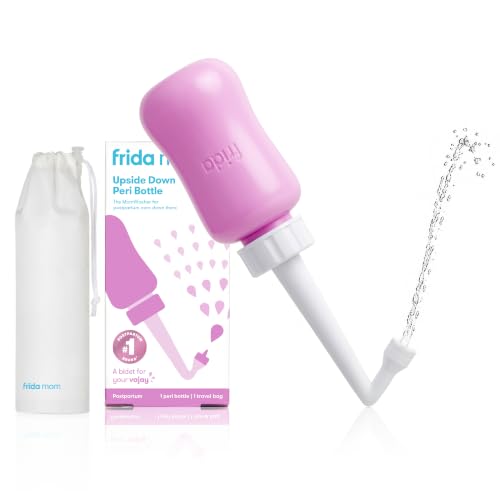
- Peri bottles – provide gentle cleansing after using the toilet
- Padsicles – homemade or store-bought frozen pads for cooling relief
- Disposable underwear – comfortable and absorbent for early recovery
A well-stocked postpartum care kit includes all these essentials.
Step-by-Step Perineal Care Routine
Following a consistent perineal care routine is essential for optimal healing. Here's a simple, effective routine to follow after each bathroom visit:
- Prepare your supplies: Have your peri bottle, perineal spray, and pads ready before you start.
- Use the peri bottle: Fill it with warm water and gently spray from front to back to cleanse the area.
- Pat dry: Use a clean, soft cloth or toilet paper to gently pat the area dry. Avoid wiping or rubbing.
- Apply perineal spray or cream: Use a cooling spray or soothing cream to reduce discomfort and promote healing.
- Apply a cold pack: If you have significant swelling, use a perineal ice pack or padsicle for 15-20 minutes.
- Change your pad: Always use a clean, absorbent pad to keep the area dry and prevent infection.
Understanding Perineal Tears & Healing
Perineal tears are common during vaginal birth. Understanding the different types can help you manage your recovery more effectively:
- First-degree tear: Affects only the skin and mucosa. Minimal discomfort, heals within 1-2 weeks.
- Second-degree tear: Extends into the muscle tissue. Requires stitches, healing time 2-4 weeks.
- Third-degree tear: Extends into the anal sphincter. More intensive care needed, healing 4-6 weeks.
- Fourth-degree tear: Extends into the rectal lining. Requires medical attention, healing 6+ weeks.
No matter the type, proper perineal care is essential for reducing pain and preventing complications. Your healthcare provider will give you specific instructions based on your delivery and any tears you may have experienced.
For more information on postpartum recovery, explore our comprehensive postpartum care kit guide and C-section recovery tips.
Common Perineal Care Questions
How long does perineal pain last?
Perineal pain typically peaks in the first 3-5 days after birth and gradually decreases over 2-3 weeks. However, some women may experience discomfort for up to 6-8 weeks. Using a sitz bath regularly can significantly reduce pain and accelerate healing.
When should I contact my healthcare provider?
Contact your healthcare provider if you experience:
- Increasing pain or severe pain that doesn't respond to over-the-counter medication
- Fever or chills (signs of infection)
- Excessive bleeding or large blood clots
- Foul-smelling discharge
- Difficulty urinating or bowel movements
Can I use regular pads for perineal care?
While you can use regular pads, specialized perineal pads are designed to be more absorbent and often include cooling properties. Many women find that using peri pads or padsicles provides superior comfort and protection during the first week of recovery.
Additional Tips for Comfortable Recovery
- Rest when you can: Your body needs time to heal. Listen to your body and rest as much as possible.
- Stay hydrated: Drinking plenty of water helps prevent constipation, which can strain the perineal area.
- Eat a high-fiber diet: Include plenty of fruits, vegetables, and whole grains to promote regular bowel movements.
- Use stool softeners: Consult your healthcare provider about using stool softeners to reduce straining during bowel movements.
- Practice perineal massage: Once your healthcare provider gives the go-ahead, gentle massage can promote circulation and healing.
For more ways to support your postpartum recovery, visit our postpartum care kit and belly wraps pages.
At CradleCheck, we help you make informed decisions about your postpartum recovery. Below are recommended products that can help you manage perineal discomfort and promote healing after birth.