Newborn Crib Buying Guide & Safety Tips
Your ultimate resource for choosing the safest, most comfortable crib for your baby. Learn about crib types, safety standards, mattress selection, and get expert recommendations to create the perfect sleep environment.
VIEW TOP CRIB PICKSWhy This Guide Matters: Your baby will spend up to 16 hours a day sleeping in their crib during the first year. Choosing the right crib is one of the most important decisions you'll make as a parent. This guide covers everything you need to know to make an informed choice.
Understanding Newborn Crib Basics
A newborn crib, also known as a standard baby crib, is a specially designed bed for infants and toddlers. It provides a safe, secure sleeping environment that meets strict safety standards. When choosing a crib, you'll encounter various styles, materials, and features. The most important factor is safety – always ensure the crib you select meets current safety regulations.
Before purchasing a crib, it's essential to understand the different types available. Portable cribs offer flexibility for families who travel frequently or have limited space. Traditional full-size cribs provide a sturdy, long-term sleeping solution that can often convert into a toddler bed. Your choice should align with your lifestyle, nursery size, and long-term plans.
Types of Newborn Cribs
Standard Full-Size Cribs
These are the most common type of cribs, designed to accommodate your baby from birth through toddlerhood. Most full-size cribs convert into toddler beds, daybeds, or even full-size beds, making them a versatile long-term investment. They typically measure 28 inches wide by 52 inches long, allowing for a standard crib mattress size. This is an excellent choice if you have a dedicated nursery space.
Portable & Mini Cribs
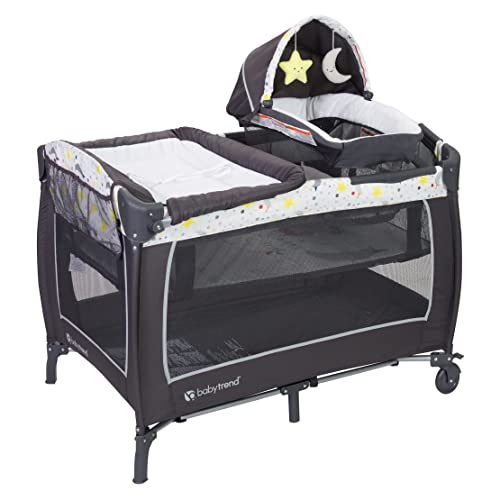
Mini cribs and portable cribs are smaller versions designed for smaller spaces or for families who need to move the crib between rooms. They're also ideal for travel. While they have a smaller footprint, they still provide a safe sleep environment for your newborn. Many models feature wheels for easy mobility. This option is perfect for apartments, shared rooms, or if you plan to keep the baby in your room initially.
Convertible Cribs
Convertible cribs are designed to grow with your child. They transform from a crib to a toddler bed, daybed, and sometimes even a full-size bed. While they often come with a higher initial price tag, they offer excellent value and longevity. A 4-in-1 convertible crib can serve your child from infancy through adolescence, eliminating the need to purchase multiple beds over the years.
When selecting a convertible crib, consider the conversion hardware that's included. Some manufacturers sell the conversion kits separately, which can add to the total cost. Always check the mattress compatibility and ensure the conversion process is straightforward.
Crib Safety Standards: What You Must Know
Safety is paramount when choosing a crib for your newborn. The Consumer Product Safety Commission (CPSC) and the American Academy of Pediatrics (AAP) have established strict guidelines for crib safety. Understanding and following these standards is non-negotiable.
- Slat Spacing: Slats must be no more than 2 3/8 inches apart to prevent your baby's head from getting trapped.
- Corner Posts: Posts must be no higher than 1/16 inch to prevent clothing from catching.
- Drop-Side Cribs: Drop-side cribs are banned in the United States due to safety hazards.
- Mattress Fit: The mattress should fit snugly against the crib sides (less than two finger-widths gap).
- Lead Paint: All paints and finishes must be non-toxic and lead-free.
- Recalls: Always check for product recalls before purchasing.
⚠️ Safety Reminder
Never use a crib that is broken, modified, or older than 10 years. Safety standards have improved significantly, and older cribs may not meet current safety requirements. Always register your crib with the manufacturer to receive recall notifications.
Choosing the Right Crib Mattress
The crib mattress is as important as the crib itself. A firm mattress is essential for reducing the risk of SIDS (Sudden Infant Death Syndrome). The mattress should fit snugly in the crib with no gaps where your baby's limbs could get trapped.
There are two main types of crib mattresses:
- Innerspring Mattresses: These use coils for support and are generally durable and breathable. Look for models with a high coil count for better support.
- Foam Mattresses: Lightweight and typically more affordable, foam mattresses offer good support. Ensure they meet firmness standards and are free from harmful chemicals.
Consider using a waterproof mattress cover to protect the mattress from spills and accidents. Always choose covers that are breathable and fit tightly. For added comfort and safety, use fitted crib sheets that are specifically designed for your crib mattress size.
Essential Crib Accessories
Several accessories can enhance safety and comfort for your newborn's sleep environment. However, the AAP recommends keeping the crib bare to minimize SIDS risks. Here are some approved essentials:
- Fitted Crib Sheet: A snug-fitting, breathable sheet is essential. Avoid loose bedding, which can be a suffocation hazard.
- Waterproof Mattress Protector: Protects the mattress from moisture and helps maintain hygiene.
- Sleep Sacks or Swaddles: These are safer alternatives to loose blankets for keeping your baby warm.
Items like crib bumpers are strongly discouraged by pediatricians and safety organizations due to suffocation and entrapment risks. Additionally, avoid placing pillows, stuffed animals, or heavy blankets in the crib with your newborn. A firm mattress with a fitted sheet is all your baby needs for safe sleep.
For peace of mind, many parents use a baby monitor to keep an eye and ear on their newborn while they sleep. Modern monitors offer video, audio, and even breathing detection features, providing an extra layer of security.
Creating a Safe Nursery Environment
Your newborn's crib placement within the nursery is another crucial safety consideration. Position the crib away from windows, curtains, blinds, and electrical outlets to prevent potential hazards. Ensure the crib is not placed near any hanging cords from baby monitors or window treatments.
Maintain a comfortable room temperature between 68-72°F (20-22°C) to prevent overheating. Dress your baby in appropriate sleepwear based on the room temperature. Consider using a breathable baby blanket only after the first year, or stick to sleep sacks for newborns.
Proper lighting is also important. Use blackout curtains to help regulate your baby's sleep-wake cycle and ensure a darker environment for better sleep. A dim nightlight can be helpful for nighttime feedings and diaper changes without overstimulating your baby.
Newborn Crib Price Guide
Crib prices vary widely based on materials, design, brand, and whether they are convertible. Here's a general overview of what to expect:
Portable / Mini Cribs
$150 – $400Standard Full-Size Cribs
$250 – $800Convertible Cribs (4-in-1)
$400 – $1,200Designer / Luxury Cribs
$800 – $2,500+Note that these are estimated prices. Budget-friendly options are available from many reputable brands, and you can often find excellent deals on convertible cribs. Don't forget to factor in the cost of the mattress and any conversion kits when budgeting for your nursery setup.
Final Checklist: Choosing Your Newborn Crib
Use this quick checklist to ensure you've considered all the important factors when purchasing a crib for your newborn:
- Safety Certification: Confirm the crib meets current CPSC and ASTM safety standards.
- Solid Construction: Check for sturdy joints, no sharp edges, and a stable frame.
- Slat Spacing: Ensure slats are no more than 2 3/8 inches apart.
- Mattress Fit: Confirm the mattress fits snugly with no gaps.
- Conversion Options: Consider if a convertible crib fits your long-term needs.
- Room Size: Measure your nursery to ensure the crib fits comfortably.
- Budget: Plan for the crib, mattress, and any accessories or conversion kits.
- Return Policy & Warranty: Check the manufacturer's warranty and retailer's return policy.
Choosing the right crib for your newborn is a significant decision. By prioritizing safety, understanding the different types available, and considering your family's lifestyle, you can create a safe and comfortable sleep environment. Remember, your baby's safety and comfort are the most important priorities.
🛏️ Ready to Choose?
You've done the research – now it's time to find the perfect crib for your little one. Browse our recommended products below, featuring top-rated cribs and essentials that meet the highest safety standards. Happy nesting!