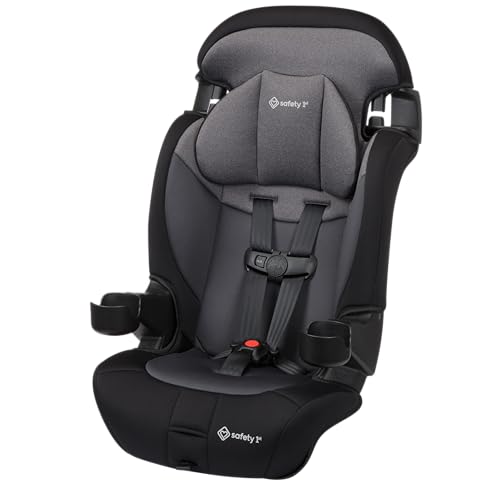
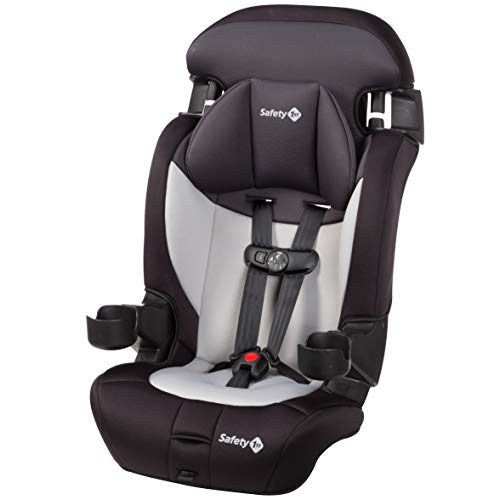
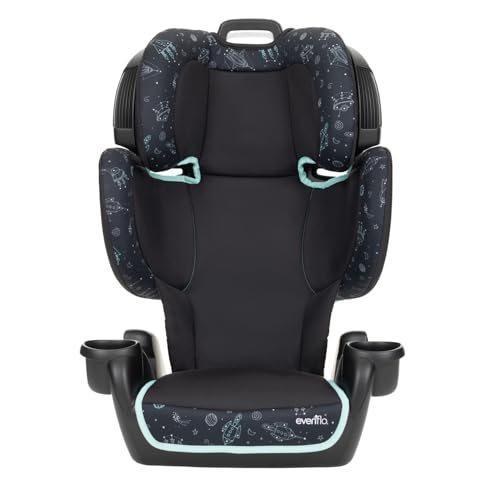
High Back Booster That Converts to Backless Booster
One seat, two stages of protection. Learn how convertible high back boosters adapt as your child grows, what features to look for, and how to transition safely between high back and backless modes.
EXPLORE RECOMMENDATIONSWhy this matters: A high back booster that converts to backless booster gives your family long-term flexibility. It supports younger, smaller children with head and torso protection, then simplifies to a backless booster as your child matures. Understanding the transition thresholds and installation requirements helps you get the most from a single seat across multiple growth stages.
What Is a High Back Booster That Converts to Backless Booster?
A high back booster that converts to backless booster is a belt-positioning car seat engineered with a removable backrest. In its high back configuration, the seat provides a headrest, torso side wings, and often a shoulder belt guide to keep the seat belt properly positioned across your child's chest. When your child outgrows the backrest height or weight limit, the back detaches, leaving a compact backless booster that lifts your child to the correct height for the vehicle's lap and shoulder belt.
This dual-mode design is popular among families who want to extend the usable life of a single seat. Instead of purchasing a separate high back booster and a separate backless booster, a convertible model covers both stages. Many parents researching high back booster with removable back options find that these seats deliver strong side-impact protection early on and remain practical as children grow.
It is important to distinguish this category from a high back booster car seat with 5-point harness. Some convertible boosters include an internal harness for younger children, while others are belt-positioning only. If you need harness functionality for a preschooler, verify the product specifications before selecting a model.
How the Conversion Works
Conversion is usually a straightforward mechanical process. The backrest attaches to the booster base with screws, interlocking tabs, or a click-in mechanism. Manufacturers design the removal step to be deliberate, so the back does not detach accidentally during use.
Typical conversion flow:
- Use in high back mode while your child fits within the backrest height and weight limits. This mode offers head containment, side wings, and a shoulder belt guide.
- Monitor growth against the seat manual's thresholds. The shoulder belt should rest flat across the middle of the shoulder, and the head should remain fully within the headrest.
- Remove the backrest according to the manufacturer's instructions. Some models require a screwdriver; others use a release lever.
- Use in backless mode with the vehicle's headrest positioned to support your child's head. The shoulder belt should cross the midpoint of the shoulder, and the lap belt should sit low across the hips.
Before switching modes, always review your specific seat manual. The transition criteria vary by model, and the height and weight for high back booster seat guidance is not universal across brands.
Key Features to Evaluate
Removable Backrest Mechanism
Look for a tool-free or clearly documented release. A secure lock in high back mode and a clean detachment in backless mode are essential.
Shoulder Belt Guide
A well-designed guide keeps the shoulder belt off the neck. In backless mode, the vehicle's belt path becomes the primary positioning system.
Side-Impact Protection
Deep torso wings and head containment in high back mode add protection for younger riders and children who fall asleep in the car.
LATCH Connectors
A high back booster car seat with latch system secures the seat when unoccupied and can simplify installation. Check whether LATCH is approved in both modes.
Cup Holders
A high back booster seat with cup holder keeps drinks and small items within reach, reducing distraction on longer journeys.
Height Range
A high back booster with highest height limit supports taller children longer in high back mode before conversion becomes necessary.
High Back vs. Backless: When to Switch
The transition from high back to backless mode is not a race. The high back configuration offers structural head support and side wings that benefit children who are still small, tend to slump, or frequently fall asleep during car rides. The backless configuration is appropriate once your child meets the model's minimum requirements and the vehicle's headrest can provide adequate head support.
Consider these practical indicators:
- Your child's shoulders sit below the top shoulder belt guide slot in high back mode.
- Your child has reached the maximum weight or height for the high back mode as stated in the manual.
- Your child sits upright without slouching for the duration of typical trips.
- The vehicle seat and headrest provide full head support in backless mode.
For a deeper look at recommended models across categories, explore our high back booster seat recommendations and the highest rated high back booster seats roundup.
Market Tiers for Convertible Boosters
The convertible booster category spans several tiers. Use this classification to set expectations for features, padding, and adjustment mechanisms. Tiers are relative and not tied to specific figures.
| Tier | Typical Characteristics | Best For |
|---|---|---|
| Entry-level tier | Simpler fabrics, basic padding, manual recline, straightforward conversion mechanism | Families seeking a second seat for occasional vehicles or grandparents |
| Mid-range tier | Enhanced padding, multiple recline positions, deeper side wings, easier conversion | Daily drivers who want comfort and convenience without top-tier extras |
| Premium tier | High-grade fabrics, extended height ranges, refined LATCH systems, additional belt guides | Families prioritizing long-term use and premium materials |
| Top-tier | Flagship feature sets, extensive adjustment ranges, advanced side-impact structures | Parents seeking the most feature-rich convertible booster available |
Across tiers, the core safety principle remains the same: the seat belt must lie flat against the child's body, the lap belt must sit low on the hips, and the head must be supported. A mid-range model often offers smoother adjustment hardware than an entry-level model, while a premium model typically extends the usable height range and adds comfort refinements.
Safety Checklist Before Every Ride
Booster Mode Verification
- Shoulder belt: Crosses the midpoint of the shoulder, never the neck or upper arm.
- Lap belt: Sits low across the hip bones, touching the thighs, not the stomach.
- Head support: The top of the child's ears are below the top of the vehicle headrest or high back headrest.
- Buckle position: The seat belt buckle lies flat and is not resting on the booster's armrest in a way that could release under load.
- Seat stability: The booster does not slide excessively on the vehicle seat. LATCH connectors, where available, help secure an unoccupied seat.
- Backrest lock: In high back mode, confirm the backrest is fully locked into the base before each trip.
Review the high back booster weight requirement and the high back booster seat height and weight guidance for your specific model. If you are comparing harness-equipped options, our high back booster with 5 point harness overview explains how harness mode differs from belt-positioning mode.
Common Mistakes to Avoid
- Converting too early. Removing the back before your child meets the minimums reduces head and torso protection.
- Ignoring the vehicle headrest. Backless mode depends on the vehicle's headrest for head support. Vehicles with low or absent headrests in the rear may not suit backless mode.
- Misrouting the shoulder belt. The belt must pass through the correct guide in high back mode. Skipping the guide defeats the seat's positioning purpose.
- Using a loose installation. A booster should sit firmly on the vehicle seat. Check that the seat belt path is not twisted and that the booster does not tip.
- Overlooking expiration. Booster seats have a service life. Check the label and replace the seat if it has exceeded the manufacturer's stated lifespan or been in a moderate-to-severe crash.
Parents often ask whether a convertible booster can replace a dedicated high back booster seat. The answer depends on the child's size and the vehicle. A convertible model is efficient, but it must fit both the child and the seating position correctly in each mode.
Frequently Asked Questions
How do I know when to remove the back from a convertible booster seat?
Follow the height and weight thresholds in your seat manual. Typically, the high back mode is for younger, lighter children, and backless mode is for older children who exceed the backrest limits or whose shoulders rise above the top harness slot. The vehicle's headrest must also provide adequate support before switching.
Is a backless booster as safe as a high back booster?
Both modes are safe when used correctly and when the child fits the seat. High back boosters add head and side-impact protection, which is valuable for smaller children or those who fall asleep. Backless boosters rely on the vehicle seat and headrest, so the vehicle's rear seating environment matters.
Can a high back booster that converts to backless be used with a 5-point harness?
Some models include an internal 5-point harness for younger children and later convert to belt-positioning use. Not all convertible boosters have a harness, so check the product specifications. If harness use is a priority, review our high back booster seat with 5 point harness guide.
Does a convertible booster require a LATCH system?
LATCH is generally not required for booster mode, but many seats include LATCH connectors to keep the seat stable when unoccupied. In harness mode, LATCH may be used within the specified weight limit. Confirm the approved installation methods in your manual.
Can I use a backless booster in a vehicle without headrests?
No. Backless boosters require vehicle head support. If the rear seating position lacks a headrest or has a low headrest that does not reach the top of your child's ears, keep the seat in high back mode or choose a different seating position.
Final Thoughts
A high back booster that converts to backless booster is a practical long-term choice for families who want one seat to serve multiple growth stages. The key is to respect the transition thresholds, maintain correct belt positioning in both modes, and confirm that the vehicle's headrest supports your child when the back is removed. If you are still comparing categories, our guides on high back booster car seat with harness and high back booster that converts to backless booster can help you narrow the field. For a broader overview of booster seat selection, start with the high back booster seat guide.