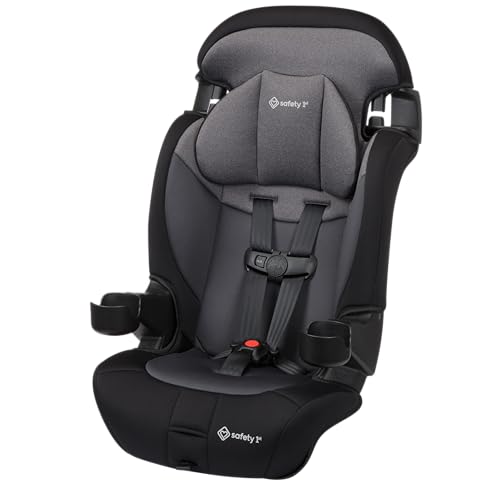
High Back Booster Car Seat with LATCH System: The Complete Guide for Safety-Minded Parents
Understand how a LATCH-equipped high back booster protects your child, simplifies installation, and provides the stability that belt-positioning boosters often lack. This guide covers everything from fit requirements to LATCH weight limits.
View Recommended ModelsQuick Answer: A high back booster car seat with LATCH system combines the head and torso support of a high back booster with the vehicle's Lower Anchors and Tethers for Children (LATCH) connection. The LATCH system secures the booster seat to the vehicle, preventing it from sliding or becoming a projectile when unoccupied, while the child is restrained by the vehicle's lap and shoulder belt. This dual system offers a secure, stable installation that many parents find easier and more confidence-inspiring than a belt-positioning booster alone.
What You'll Learn on This Page
What Is a High Back Booster Car Seat with LATCH System?
A high back booster car seat with LATCH system is a forward-facing child restraint designed for children who have outgrown their harnessed car seat but are not yet tall enough to use the vehicle seat belt alone. The "high back" portion provides head and neck support and helps position the vehicle's shoulder belt correctly across the child's chest, away from the neck and face.
The LATCH system — Lower Anchors and Tethers for Children — is a standardized attachment method built into most vehicles manufactured since September 2002. In a LATCH-equipped high back booster, the seat connects to the vehicle's lower anchor bars using connectors on the seat, keeping the booster firmly in place. Unlike a harnessed car seat, the LATCH system in a booster does not restrain the child; it only secures the booster seat itself.
This distinction is critical: the child is still protected by the vehicle's three-point seat belt, while LATCH stabilizes the booster. When you're researching high back booster seat with latch system options, you'll notice that manufacturers increasingly include LATCH connectors because they improve usability and reduce installation errors.
High Back Booster vs. Backless Booster with LATCH
Backless boosters with LATCH exist, but they offer less head and neck support. A high back booster is generally recommended for younger children or vehicles without adjustable headrests. For a deeper comparison, see our guide to high back booster converts to backless booster models, which can adapt as your child grows.
How the LATCH System Works in a Booster Seat
The LATCH system consists of two components: lower anchors and top tethers. In a high back booster with LATCH, the manufacturer typically provides flexible or rigid lower connectors that clip onto the vehicle's lower anchor bars, which are located in the crease between the vehicle seat back and bottom cushion.
Most high back boosters with LATCH do not use a top tether. The top tether is primarily used for forward-facing harnessed car seats to reduce head excursion in a crash. Since a booster does not have a harness, the top tether is generally not part of the booster's LATCH installation. Always read your specific seat's manual to confirm whether a tether is required or permitted.
LATCH in a booster serves two main purposes:
- Stability when unoccupied: An unsecured booster can become a projectile in a sudden stop or crash. LATCH keeps the seat anchored.
- Consistent belt geometry: By holding the booster in place, LATCH ensures the shoulder belt routing and lap belt positioning remain consistent every time your child buckles up.
It's important to note that LATCH has a weight limit. Most vehicle manufacturers specify a lower anchor weight limit (often 65 pounds combined child and seat weight). Once your child's weight approaches that limit, you must switch to a seat belt installation for the booster. Check both your vehicle manual and the booster manual for exact limits. Our article on height and weight for high back booster seat provides detailed guidance on when transitions are appropriate.
Key Benefits of a High Back Booster with LATCH
Parents often ask whether LATCH is worth seeking out in a booster. The short answer is yes — for most families, a LATCH-equipped high back booster offers meaningful advantages:
- Easier installation and removal: LATCH connectors typically click into place, reducing the guesswork of routing a seat belt through a booster's belt path.
- Reduced risk of misuse: Studies have shown that LATCH installations have lower error rates than seat belt installations for car seats. While booster-specific data is limited, the principle of simplified attachment carries over.
- Stability for the unoccupied seat: A booster that stays put is safer for other passengers and easier to buckle a child into.
- Protection for the vehicle seat: A secured booster is less likely to slide and scuff upholstery.
- Confidence for caregivers: Grandparents and babysitters often find LATCH easier to replicate correctly. See our grandparent book for more on educating caregivers.
Fit Requirements: Height, Weight, and Age for a High Back Booster with LATCH
Before choosing a high back booster with LATCH, confirm that your child meets the seat's minimum requirements. While exact limits vary by model, general guidelines are:
| Requirement | Typical Minimum | Typical Maximum | Notes |
|---|---|---|---|
| Age | 4 years | — | Many safety advocates recommend waiting until age 5 or 6 if the child still fits a harnessed seat. |
| Weight | 40 lbs | 100–120 lbs | LATCH lower anchor limits may be lower; check vehicle and seat manuals. |
| Height | 43 inches | 57–63 inches | Child's ears should be below the top of the booster's headrest. |
| Vehicle belt fit | — | — | Lap belt must lie flat across upper thighs; shoulder belt across mid-shoulder. |
For a more detailed breakdown, see our articles on high back booster weight requirement and high back booster seat height and weight. If your child is still within harnessed seat limits, consider a high back booster car seat with 5-point harness for extended harnessing.
Step-by-Step LATCH Installation for a High Back Booster
Installing a high back booster with LATCH is generally straightforward, but following the correct sequence matters. Here's the process:
- Read both manuals: Consult your vehicle owner's manual and the booster seat manual for approved LATCH seating positions and weight limits.
- Position the booster: Place the high back booster on the vehicle seat in a LATCH-approved position. Many families prefer the rear passenger side for ease of loading.
- Connect the lower anchors: Attach the booster's lower connectors to the vehicle's lower anchor bars. Listen for an audible click and tug firmly to confirm engagement.
- Check the fit: The booster should not move more than one inch side-to-side or front-to-back at the belt path. Adjust the connectors if needed.
- Route the seat belt: With the child seated, route the lap and shoulder belt through the booster's belt guides. Ensure the lap belt is low across the hips and the shoulder belt crosses the mid-shoulder.
- Confirm belt fit: The shoulder belt should not touch the neck or face. Many high back boosters include adjustable headrests and belt guide clips to fine-tune the fit.
- Test the buckle: The seat belt buckle should be reachable and not blocked by the booster's armrests or cup holders. Models with high back booster seat with cup holder features often have open belt paths to avoid this issue.
If your vehicle does not have LATCH in a preferred position, you can still use the booster as a belt-positioning seat — simply leave the LATCH connectors stowed or disconnected per the manual. Our guide to high back booster seat basics covers belt-positioning installation in detail.
How to Choose the Best High Back Booster with LATCH for Your Family
When comparing models, focus on features that affect safety, fit, and daily usability rather than marketing claims. Below is a tier-based framework to help you evaluate options. Use the descriptors to understand relative positioning in the market; they are consistent across our guides.
| Tier | Best For | Typical Characteristics |
|---|---|---|
| Entry-level | Families seeking essential safety features and straightforward LATCH installation | Basic LATCH connectors, fixed or simple adjustable headrest, minimal padding, few extras |
| Mid-range | Families wanting a balance of comfort, adjustability, and ease of use | Premium materials in key areas, deeper headrest adjustment, easier-to-use LATCH connectors, additional cup holders or storage |
| Premium | Families prioritizing extended fit range and long-term usability | High-grade fabrics, reinforced head and torso support, multi-position recline, high height/weight limits, thoughtful belt routing |
| Luxury | Families seeking top-tier comfort and premium detailing | Luxury-grade upholstery, advanced side-impact protection, refined adjustment mechanisms, premium brand support |
Features to Prioritize
- LATCH connectors: Rigid LATCH (like a "click-tight" system) is often easier to install than flexible strap connectors. Both are safe when used correctly.
- Adjustable headrest: A headrest that moves with the shoulder belt guide ensures proper fit as your child grows. Models with a high back booster with highest height limit are worth considering for tall children.
- Side-impact protection: Look for deep head and torso wings with energy-absorbing foam. See our highest rated high back booster seats roundup for top-performing designs.
- Removable back: If you want a seat that can transition to a backless booster, consider a high back booster with removable back.
- Belt fit indicators: Some seats include visual or tactile cues that confirm correct belt routing.
For a curated shortlist, explore our high back booster seat recommendations. If you're also considering a harnessed option, our comparison of high back booster seat with 5 point harness vs. belt-positioning boosters may help clarify the transition timing.
Common Mistakes to Avoid with LATCH-Equipped High Back Boosters
- Assuming LATCH replaces the seat belt: The seat belt still restrains your child. LATCH only secures the booster.
- Exceeding the lower anchor weight limit: Once your child plus the seat exceed the vehicle's LATCH limit, switch to a seat belt installation. Check your vehicle manual.
- Using LATCH in a non-approved position: Not all center seating positions allow LATCH. Verify with your vehicle manual.
- Neglecting the top tether: Most boosters don't use a top tether, but if your seat's manual requires one, use it.
- Ignoring the expiration date: Boosters expire. Check the label and replace an expired seat.
- Skipping the pinch test: After buckling your child, pinch the shoulder belt near the shoulder. If you can pinch excess webbing, the belt is too loose.
- Using a second-hand seat with unknown history: Unless you know the seat's full history and it meets current standards, avoid second-hand boosters.
Our guide to high back booster car seat with harness covers additional considerations for families transitioning from harnessed seats.
Frequently Asked Questions
What is a high back booster car seat with LATCH system?
A high back booster car seat with LATCH system is a forward-facing child restraint that uses the vehicle's Lower Anchors and Tethers for Children (LATCH) system to secure the seat itself, while the child is secured by the vehicle's lap and shoulder belt. The high back provides head and neck support, and the LATCH connection keeps the booster stable when not occupied.
Is LATCH required for a high back booster seat?
LATCH is not required for booster seats in most cases. However, a high back booster with LATCH system offers added stability and convenience, especially when the seat is unoccupied. Many safety experts recommend using LATCH to secure the booster when possible, as it prevents the seat from becoming a projectile in a crash.
When should my child move to a high back booster with LATCH?
Children should move to a high back booster with LATCH when they have outgrown their forward-facing harnessed car seat, typically around 40 pounds and 43 inches tall, and are at least 4 years old. However, many safety advocates recommend keeping children in a harnessed seat as long as possible, often until age 5 or 6.
Can I use LATCH in the center seating position for a booster seat?
LATCH use in the center position depends on your vehicle's owner manual. Some vehicles allow LATCH in the center if the anchor spacing meets standards, while others do not. Always check your vehicle manual and the booster seat manual to confirm approved LATCH positions.
Does a high back booster with LATCH expire?
Yes, all car seats and booster seats have an expiration date, typically 6 to 10 years from the date of manufacture. Check the label on your specific high back booster with LATCH system for the exact expiration date. Expired seats should not be used because materials may degrade over time.
Related Guides on CradleCheck
Deepen your understanding of booster seat safety and related gear with these resources: