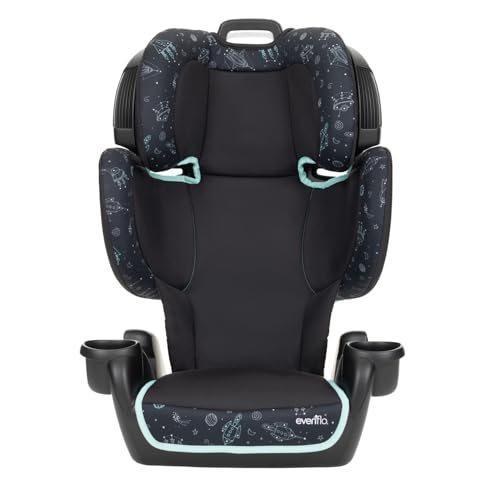
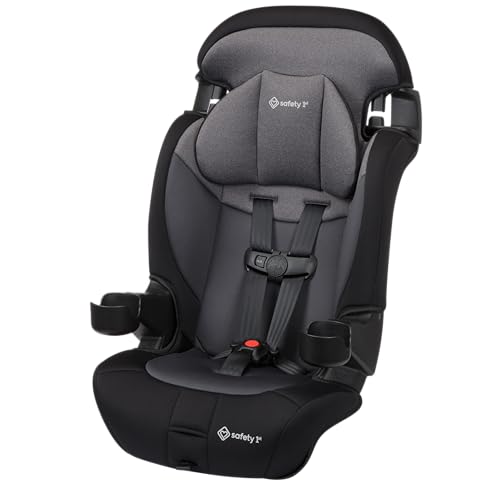
High Back Booster Seat with Cup Holder: The Complete Buying Guide
Everything you need to know before choosing a high back booster seat with cup holder — safety standards, fit requirements, feature comparisons, and practical installation advice for growing children.
Quick Summary: A high back booster seat with cup holder combines safety, comfort, and convenience in one child car seat. The high back provides head and neck support while guiding the vehicle's seat belt across your child's shoulder and hips. The integrated cup holder keeps drinks and snacks within reach without distracting the driver or compromising the seat belt position. This guide covers everything from weight and height requirements to tier-by-tier feature comparisons so you can make a confident, informed decision.
Why a Cup Holder on a High Back Booster Seat Matters
Parents often overlook the cup holder when shopping for a booster seat, but it plays a meaningful role in daily usability and safety. A child who can reach their drink without unbuckling or twisting around is less likely to distract the driver. The cup holder also encourages independence during longer journeys, reducing the number of stops and the temptation for children to hold items that could become projectiles in a sudden stop.
Beyond convenience, an integrated cup holder designed by the seat manufacturer is tested as part of the overall product. It does not interfere with the seat belt path, the headrest adjustment, or the seat's structural integrity. Aftermarket cup holders clipped onto a booster seat are not crash-tested with the seat and can create hazards. Choosing a high back booster seat with cup holder built into the design ensures the accessory is safe, secure, and properly positioned.
Hands-Free Convenience
Your child can sip water or juice without holding a bottle or asking for help. This is especially useful on school runs, road trips, and daily commutes when you need to keep your attention on the road.
Reduced Distraction
A fixed cup holder keeps drinks in one place. There is no fumbling under seats or reaching into bags, which means fewer reasons for your child to unbuckle or lean out of position.
Crash-Tested Integration
Cup holders that are part of the original seat design are tested alongside the seat. They are positioned to avoid interfering with the seat belt and are made from materials that do not shatter on impact.
Easy to Clean
Most integrated cup holders are removable or designed with smooth surfaces that wipe clean easily. This matters for spills, crumbs, and the general wear and tear of daily use.
Key Features to Look For in a High Back Booster Seat with Cup Holder
Not all high back booster seats are built the same. The features below separate a seat that works well for years from one that causes frustration within weeks. Use this checklist as your evaluation framework when comparing models.
- Adjustable headrest: Look for a headrest that moves up and down to accommodate your child as they grow. A properly positioned headrest keeps the seat belt centered on the shoulder and provides head and neck support in a side-impact collision.
- Seat belt guide: A shoulder belt guide or clip keeps the lap and shoulder belt in the correct position. The lap belt should sit low across the hips, and the shoulder belt should cross the middle of the shoulder, never the neck or face.
- Integrated cup holder: Choose a cup holder that is molded into the seat base or armrest area. It should be deep enough to hold a standard sippy cup or water bottle securely and positioned so your child can reach it without leaning forward excessively.
- LATCH or ISOFIX compatibility: Many high back booster seats can be secured to the vehicle's lower anchors to prevent the seat from sliding when unoccupied. This is a convenience feature, not a replacement for the seat belt, which still restrains your child.
- Removable backrest: Seats that convert from high back to backless booster extend the usable life of the product. When your child outgrows the high back configuration, you can remove the backrest and continue using the base as a backless booster.
- Side-impact protection: Look for deep head and torso wings that absorb energy in a side collision. These are especially important for children who spend time in the center rear seat or in vehicles without side curtain airbags.
- Machine-washable fabric: The seat cover should be removable and machine-washable. Children spill things, and a seat that is difficult to clean becomes unpleasant quickly.
- Clear installation instructions: A seat that is easy to install correctly is safer than a premium seat that is installed incorrectly. Look for clear labeling, a visible seat belt path, and a quick-reference guide on the seat itself.
Fit Requirements: Weight, Height, and Readiness
Before you buy any high back booster seat with cup holder, confirm that your child meets the manufacturer's minimum requirements. A booster seat is not a one-size-fits-all product, and moving a child out of a harness too early reduces protection.
Weight and Height Minimums
Most high back booster seats are designed for children who weigh at least 40 pounds and stand at least 43 inches tall. Some seats have higher minimums, especially models with advanced side-impact protection or premium padding. Always check the specific seat's label and manual. If your child is below the minimum, they should remain in a forward-facing harness seat.
Developmental Readiness
Weight and height are only part of the equation. Your child must also be mature enough to sit still for the entire ride. A child who unbuckles, slouches, or moves the shoulder belt behind their back is not ready for a booster. The seat belt will not protect them if it is not positioned correctly, and a high back booster relies on the child sitting upright to do its job.
Vehicle Fit
Check that the booster seat fits your vehicle's back seat. Some high back boosters are wide and may not fit well in the center position or in vehicles with narrow rear seats. The seat should sit flat on the vehicle seat, and the seat belt buckle should be accessible. If the buckle sits in a recessed well or is difficult to reach, your child may struggle to buckle independently.
Tier Comparison: Entry-Level to Luxury
High back booster seats with cup holders span a wide range of feature sets and build quality. The table below compares the four main tiers so you can decide which level of investment matches your family's needs. Descriptors reflect relative market position and are consistent throughout this guide.
| Tier | Best For | Typical Features | Considerations |
|---|---|---|---|
| Entry-Level | Families seeking a straightforward, functional seat for occasional or secondary vehicle use | Basic high back design, fixed or simple adjustable headrest, integrated cup holder, machine-washable cover | Fewer comfort features and less padding; may not convert to backless; verify side-impact protection depth |
| Mid-Range | Daily drivers who want a balance of safety features, comfort, and durability | Adjustable headrest, deeper side wings, LATCH connection, removable backrest for backless conversion, dual cup holders | Smoother adjustment mechanisms and better padding than entry-level; may still lack premium fabrics |
| Premium | Families prioritizing long-term use, advanced side-impact protection, and easy installation | Multi-position headrest, reinforced side-impact structure, quick-release LATCH, machine-washable premium fabrics, easy-clean cup holder | Higher upfront investment; features like rigid LATCH and deeper wings add weight and bulk |
| Luxury | Parents who want top-tier materials, maximum adjustability, and a seat that blends with upscale vehicle interiors | Premium upholstery, memory foam padding, multi-stage side-impact protection, precision-adjust harness and headrest, dual integrated cup holders | Highest investment in the category; heavier seat may be less convenient to move between vehicles |
When comparing tiers, focus on the features that matter most for your daily routine. A mid-range seat with a well-designed cup holder and easy LATCH installation often provides better real-world value than a luxury model with features you do not use. Conversely, if you frequently move the seat between vehicles, a premium model with quick-release connectors can save time and reduce installation errors.
Installation and Daily Use Tips
Correct installation is the most important factor in booster seat safety. Follow these steps every time you install or adjust a high back booster seat with cup holder.
Seat Belt Routing
Route the lap belt low across your child's hips, touching the upper thighs. Route the shoulder belt across the middle of the shoulder and chest. Use the seat's belt guide or clip if it has one. The belt should lie flat, with no twists. If the shoulder belt crosses the neck or face, adjust the headrest height or use the belt guide to reposition it.
Headrest Adjustment
Adjust the headrest so the top of the headrest is at least level with the top of your child's ears. The shoulder belt guide should be slightly above shoulder level, never behind the back or under the arm. Recheck the headrest height as your child grows, and adjust it seasonally or whenever clothing thickness changes significantly.
Cup Holder Placement
If the cup holder is removable, attach it according to the manufacturer's instructions before installing the seat. Make sure it does not block the seat belt path or interfere with the vehicle's seat belt buckle. A cup holder that forces your child to reach awkwardly or lean forward should be repositioned or removed.
LATCH Anchoring (If Equipped)
If your seat has LATCH connectors, clip them to the vehicle's lower anchors and tighten the strap. The LATCH system secures the booster seat itself; your child is still restrained by the vehicle's three-point seat belt. LATCH prevents the seat from sliding when your child is not in it and keeps the seat stable during boarding and exiting.
Regular Checks
Before every trip, check that the seat belt is properly positioned, the headrest is at the correct height, and the cup holder is secure. Periodically check the seat's manual for weight and height limits, and inspect the seat for cracks, fraying, or missing parts. If the seat has been in a collision, replace it even if it looks undamaged.
Related Guides You May Find Helpful
- High Back Booster Seat
- High Back Booster Seat with 5-Point Harness
- High Back Booster Seat with LATCH System
- High Back Booster Seat Height and Weight
- High Back Booster Seat Recommendations
- High Back Booster Converts to Backless Booster
- High Back Booster with Removable Back
- High Back Booster with Highest Height Limit
- Highest Rated High Back Booster Seats
- High Back Booster Weight Requirement
- Height and Weight for High Back Booster Seat
- Grow With Me Car Seat Stroller Combo
Frequently Asked Questions
At what age can my child use a high back booster seat with cup holder?
Most high back booster seats are designed for children who have outgrown their forward-facing harness seat, typically around four years old and at least 40 pounds. However, age alone is not the deciding factor. Your child must meet the minimum weight and height requirements stated by the manufacturer, and must be mature enough to sit properly for the entire ride. Always check the specific seat's guidelines before transitioning.
Is a cup holder on a booster seat safe?
Yes, a cup holder integrated into a high back booster seat is safe when it is part of the original manufacturer design. It keeps drinks and snacks within reach without requiring your child to unbuckle or twist around. Avoid adding aftermarket cup holders that are not approved by the seat manufacturer, as they may interfere with the seat's crash performance or create projectile hazards.
How do I know when my child is ready to move from a harness to a booster?
Your child is ready for a booster when they meet the seat's minimum weight and height requirements, typically around 40 pounds and 43 inches tall. They should also be able to sit still with the seat belt properly positioned across their shoulder and hips for the entire trip. If your child still slouches, unbuckles, or moves the shoulder belt behind their back, they are not yet ready and should remain in a harnessed seat.
Can a high back booster with cup holder convert to a backless booster?
Many high back booster seats are designed to convert to a backless booster as your child grows. This extends the usable life of the seat and provides flexibility as your child gets older. When using the backless configuration, the cup holder may or may not remain available depending on the model. Check the product specifications to confirm whether the cup holder is integrated into the base or the backrest.
Where should the cup holder be positioned on a booster seat?
The cup holder should be positioned so your child can reach it easily without leaning far forward or twisting their torso. Most designs place it on the side of the seat base or attached to the armrest area. It should not obstruct the seat belt path or interfere with the vehicle's seat belt buckle. Always follow the manufacturer's installation instructions for proper positioning.
Ready to Choose the Right High Back Booster Seat?
Explore our curated selection of high back booster seats with cup holders. Compare features, read detailed specifications, and find the seat that matches your child's size and your vehicle's setup.
Explore Options