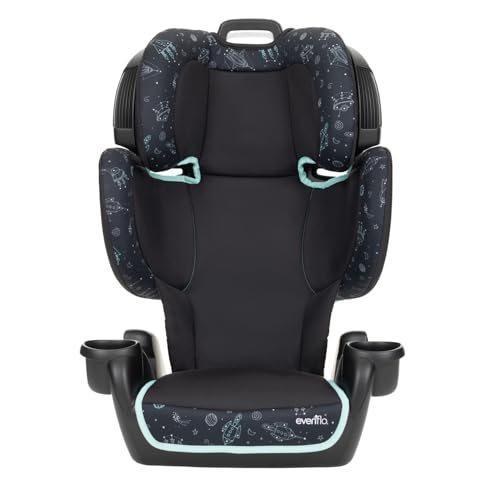
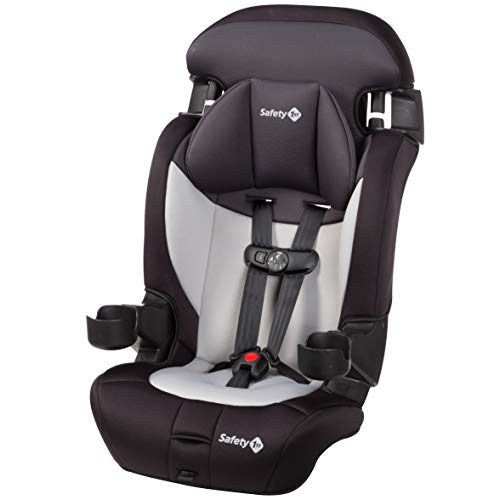
High Back Booster Seat Recommendations
Choosing a high back booster is about fit, stability, and side protection. This guide breaks down what matters so you can pick the right seat for your child and your car.
When Is Your Child Ready for a High Back Booster?
The transition from a harnessed forward-facing seat to a booster is about size and maturity, not a birthday. Most children are ready when they have outgrown the height or weight limits of their harnessed seat, typically around 40 pounds and 43 inches tall [citation:5][citation:10]. They also need to be able to sit still for the entire ride without slouching or unbuckling.
A high back booster is the right choice if your vehicle’s rear seat lacks a tall headrest or if your child tends to fall asleep in the car. The seat’s back and headrest keep the child upright and within the protective shell. If you are comparing specific height and weight limits, our guide on high back booster seat height and weight breaks down the numbers across popular models.
Key Features That Matter
Belt Fit and Shoulder Guide
The shoulder belt must rest flat against the chest, not the neck. A high back with an adjustable headrest moves the belt guide with your child, so the fit stays correct as they grow [citation:1][citation:8].
LATCH vs. Belt Only
LATCH connectors do not restrain your child—the seat belt does. But they keep the empty booster from sliding or becoming a projectile, and they make the seat feel more stable when climbing in [citation:4][citation:15].
Side Impact Protection
Deep side wings absorb energy in a side collision. Premium models often add adjustable or reclining headrests that keep the head inside the protective zone during a nap [citation:1].
Convertibility
Some high back boosters convert to backless when your child is older. This extends the usable life of the seat and is handy for travel or carpools [citation:2][citation:5].
Booster Tiers Compared
| Tier | Typical Traits | Best For |
|---|---|---|
| Essential tier | Lightweight frame, belt-only install, basic padding, simple height adjustment | Secondary cars, travel, or budget-conscious families who still want high back support |
| Mid-tier | LATCH connectors, deeper side wings, smoother headrest adjustment, machine-washable covers | Daily drivers and families who want a balance of safety features and ease of use |
| Top-tier | Reinforced frame, reclining headrest, premium fabrics, rigid LATCH, extended height limits | Long-term use, taller children, and parents who prioritize side-impact protection |
What to Look For in a High Back Booster
Check the shoulder belt guide. It should sit just above the shoulder and move easily with the headrest. If the guide is hard to adjust, you are less likely to reposition it as your child grows—and a misrouted belt is a safety risk [citation:1].
Consider the seat’s width. If you need to fit three across the back, or place the booster next to an infant car seat, a narrower base matters. Some models have flexible side wings or removable backs that help in tight spots [citation:13].
Look for clear labeling and easy installation. Consumer Reports and safety advocates consistently note that a seat is only as good as its installation. Rigid LATCH connectors and color-coded belt paths reduce the chance of mistakes [citation:8][citation:12].
If you are still deciding between a high back and a backless model, our comparison of high back booster seats with LATCH systems explains how stability features differ.
Ready to narrow down your options? Explore our curated picks and feature comparisons below.
You can also read about highest rated high back booster seats or check if a high back booster that converts to backless fits your long-term plan.