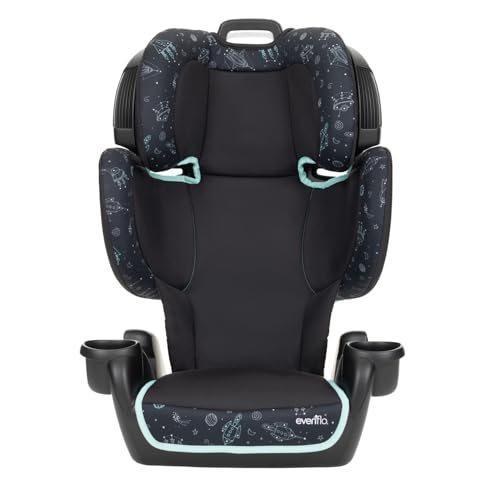
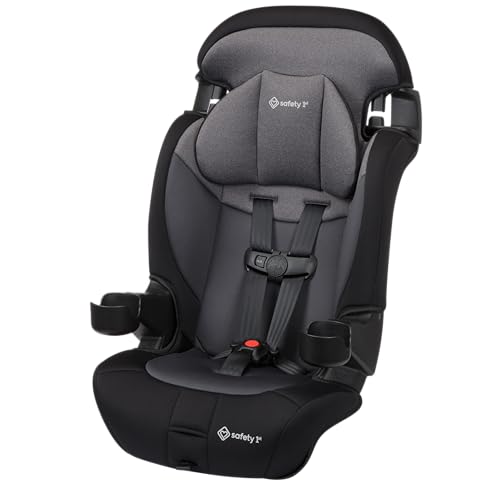
High Back Booster Seat Height and Weight Requirements
Everything parents need to know about the correct height and weight limits for high back booster seats, how to check if your child is ready, and which features matter most for safe travel.
What's Inside This Guide
Why Height and Weight Requirements Matter
High back booster seats are designed to position your child so that the vehicle's lap and shoulder belt fit correctly across the strongest parts of their body. When a child is too small for a booster, the seat belt can rest on the neck or stomach instead of the shoulder and hip bones, increasing the risk of injury in a crash. When a child exceeds the booster's limits, the seat may no longer provide adequate protection.
Understanding the high back booster seat height and weight limits is the foundation of safe car travel. Every booster seat is tested and certified for a specific range, and staying within that range ensures the seat performs as designed. For a broader look at different booster options, explore our high back booster seat overview.
The height and weight limits are not arbitrary numbers. They are determined through crash testing and biomechanical research. A child below the minimum weight may not be held securely by the belt in a collision, while a child above the maximum weight may overload the seat's structure. That is why checking your specific seat's manual is always the first step.
Standard Height and Weight Requirements
While exact specifications vary by manufacturer, most high back booster seats fall within a predictable range. The table below summarizes the typical requirements across entry-level, mid-range, and premium booster models. Remember that these are general guidelines—your seat's manual is the final authority.
| Booster Category | Typical Minimum Weight | Typical Maximum Weight | Typical Height Range | Best For |
|---|---|---|---|---|
| Entry-level | ~40 lb | ~100 lb | ~38–57 in | Families seeking a straightforward, essential-tier booster for a child who meets the base requirements |
| Mid-range | ~40 lb | ~110 lb | ~38–60 in | Growing children who need a bit more height and weight headroom plus added comfort features |
| Premium | ~40 lb | ~120 lb | ~40–63 in | Taller or heavier children, and parents who want top-tier adjustability and side-impact protection |
| High-end tier | ~40 lb | ~120+ lb | ~42–65 in | Long-term use with a higher height limit, often featuring a no-back conversion mode |
If you are specifically looking for a model that supports taller children, our guide to the high back booster with highest height limit highlights seats with extended headrest ranges. Similarly, parents of heavier children should review the high back booster weight requirement page for models with generous maximum limits.
Is Your Child Ready for a High Back Booster?
Age alone is not a reliable indicator. A child is ready to move from a forward-facing harness seat to a high back booster only when they meet all of the following criteria. Use this checklist as a starting point, then confirm with your seat's manual.
- Meets the minimum weight: Your child weighs at least the minimum listed on the booster seat (commonly around 40 pounds).
- Meets the minimum height: Your child stands at or above the minimum height requirement (often around 38 to 43 inches).
- Mature enough to sit still: The child can remain seated upright for the entire trip without slouching, leaning, or unbuckling.
- Shoulder belt fits correctly: The shoulder belt crosses the middle of the shoulder and chest, never the neck or face.
- Lap belt fits correctly: The lap belt lies flat across the upper thighs, not the stomach.
- Head support is adequate: The vehicle's headrest or the booster's high back supports the child's head at least to the top of the ears.
Many parents find that their child meets the weight and height minimums but is not yet mature enough to sit correctly for every trip. In that case, it is safer to keep using a harnessed seat until the child is ready. Our article on high back booster car seat with 5 point harness explains how combination seats can bridge this gap.
Transitioning from a Harness Seat to a Booster
The safest transition happens when your child outgrows the forward-facing harness seat—not before. Most convertible and combination seats have a maximum harness weight (often around 65 pounds) and a maximum harness height. When either limit is reached, it is time to switch to booster mode or move to a dedicated high back booster.
If you are unsure whether your current seat can convert, look for models that offer a high back booster that converts to backless booster. These seats provide a high back for younger children and then remove the back later, extending the seat's useful life. The transition should always be based on the manufacturer's instructions and your child's physical readiness.
When shopping for a new seat, look for a high back booster car seat with harness if you want the flexibility of starting with a five-point harness and later using the vehicle belt. This dual-mode design is especially helpful for children who are close to the weight minimum but not quite mature enough for a belt-positioning booster alone.
Key Features to Look For in a High Back Booster
Once you understand the height and weight limits, the next step is choosing a seat with features that match your child's needs and your vehicle. Here are the features that matter most:
Adjustable Headrest and Back Height
An adjustable headrest grows with your child. Look for a seat that offers multiple height positions and a headrest that extends high enough to support your child's head as they grow. This is especially important for taller children.
Side-Impact Protection
Deep side wings and energy-absorbing materials provide additional protection in a side collision. Premium models often include reinforced side-impact structures, while entry-level seats may offer more basic side wings.
Latch System Compatibility
A high back booster car seat with latch system attaches to the vehicle's lower anchors, keeping the seat stable when your child is not sitting in it. This is a convenience and safety feature that many parents appreciate, especially in vehicles with slippery seats.
Cup Holders
A high back booster seat with cup holder keeps drinks and small snacks within reach, reducing distractions and spills. Some models include two cup holders, which is helpful for longer trips.
Removable Back
If you want a seat that can serve your child for years, consider a high back booster with removable back. Once your child outgrows the high back mode, the seat converts to a backless booster, which is easier to move between vehicles.
How to Perform a Proper Fit Check
Even when your child meets the height and weight requirements, the seat belt must fit correctly. Follow these steps every time you install the booster or adjust the headrest:
- Seat the child upright: Your child's back and hips should be flat against the seat back and bottom, with knees bending naturally at the edge of the vehicle seat.
- Check the shoulder belt: The belt should cross the midpoint of the shoulder and rest flat against the chest. It should never touch the neck or slip off the shoulder.
- Check the lap belt: The lap belt should lie low across the upper thighs, touching the hip bones. It should not ride up onto the stomach.
- Verify head support: The top of your child's ears should be at or below the top of the booster's headrest or the vehicle's headrest.
- Test the buckle: The buckle should be positioned so that your child can reach it but cannot easily unbuckle it during travel.
Important: If the shoulder belt crosses the neck or the lap belt sits on the stomach, your child may not be ready for a booster, or the booster may not be adjusted correctly. Do not use a belt-positioning clip or other aftermarket product to fix a poor fit—choose a different seat or keep using a harnessed seat instead.
For a curated list of seats that perform well in real-world fit checks, see our high back booster seat recommendations and the highest rated high back booster seats roundup.
Common Mistakes Parents Make
Even well-informed parents can overlook details that affect booster seat safety. Here are the most common mistakes to avoid:
- Switching too early: Moving to a booster before the child meets the minimum weight and height, or before they can sit still, reduces protection.
- Ignoring the maximum limits: A child who exceeds the booster's maximum weight or height may not be properly restrained.
- Using a backless booster too soon: Younger children benefit from the head and neck support of a high back. Wait until your child meets the requirements for backless mode.
- Not adjusting the headrest: The headrest should be raised as the child grows so that the shoulder belt is positioned correctly.
- Installing with a loose belt: The vehicle belt should be snug against the child, with no slack. Check the fit every trip.
- Placing the booster in the front seat: Children under 13 should always ride in the back seat.
If you are comparing booster types, our guide to the high back booster that converts to backless booster explains when and how to make the switch safely. Parents who want the option of using a five-point harness should review the high back booster seat with 5 point harness options.
Frequently Asked Questions
What is the minimum height and weight for a high back booster seat?
Most high back booster seats require a minimum weight of around 40 pounds and a minimum height of about 38 to 43 inches. Always check your specific seat's manual, as requirements vary by model.
When should my child switch from a harness seat to a high back booster?
The switch should happen when your child reaches the maximum weight or height limit of their forward-facing harness seat. Most children reach this stage between ages 4 and 7, but the seat's specific limits—not age alone—should guide the decision.
What is the maximum weight limit for a high back booster seat?
Most high back booster seats support a maximum weight between 100 and 120 pounds. Premium models with higher weight limits can support children up to 120 pounds or more. Check the label on your seat for the exact limit.
Can my child use a high back booster in the front seat?
No. Children under 13 should always ride in the back seat. The front seat airbag can cause serious injury to a child in a booster seat.
How do I know if the booster seat fits my child correctly?
The shoulder belt should cross the middle of the shoulder and chest, and the lap belt should lie flat across the upper thighs. The child's head should be supported at least to the top of the ears. If the belt touches the neck or stomach, the seat is not adjusted correctly.
Ready to Choose the Right Booster Seat?
Explore our detailed guides to find a high back booster that matches your child's height, weight, and your vehicle's setup.
View Booster Recommendations