High Back Booster with Removable Back: The Complete Buying Guide
One seat that grows with your child — learn how a high back booster with a removable back balances head and torso support with the flexibility of a backless booster, and how to choose the right model for your family.
What Is a High Back Booster with Removable Back?
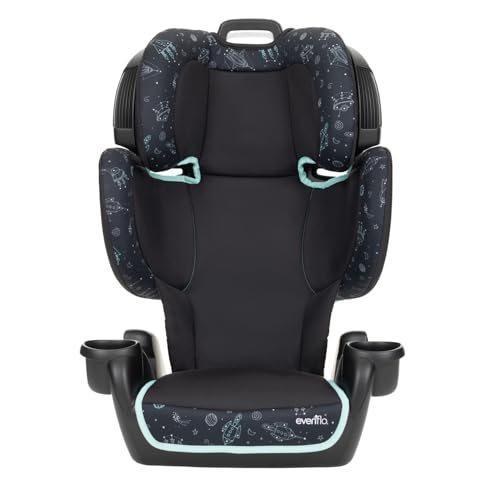
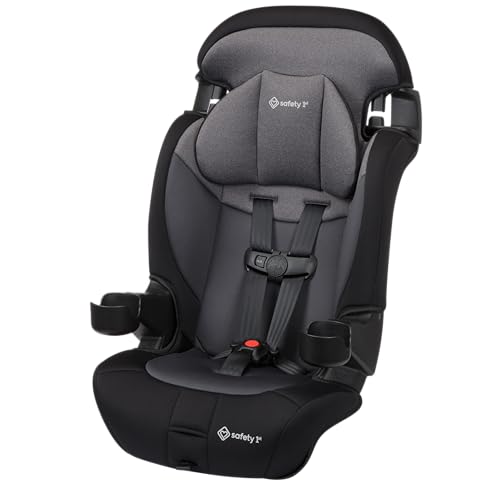
A high back booster with removable back is a dual-mode child car seat. In its full configuration, it is a high back booster that provides head, neck, and torso support while routing the vehicle's lap and shoulder belt across the child's body. When the child outgrows the need for head and torso support — or when a caregiver needs a more compact seat for travel, carpooling, or a second vehicle — the back section detaches, converting the seat into a backless booster.
This convertible design is popular with families because it extends the useful life of a single seat across multiple stages of childhood. Instead of buying a high back booster and later purchasing a separate backless booster, parents get both functions in one product. The removable back is typically secured with a latch system, interlocking tabs, or a simple release mechanism, and reattaching it is usually just as straightforward.
It is important to understand that a removable-back booster is different from a combination seat or a convertible car seat. A combination seat typically converts from a forward-facing harness seat into a booster, while a convertible car seat transitions from rear-facing to forward-facing harness use. A high back booster with removable back, by contrast, is a belt-positioning booster in both modes — the harness is the vehicle's own three-point seat belt, not an integrated five-point harness.
Quick Definition
High back booster with removable back: a belt-positioning booster seat whose upper back section can be detached so the base can be used as a backless booster. Both modes rely on the vehicle's lap and shoulder belt for restraint.
Why the Removable Back Design Matters
Children do not grow at the same pace, and their seating needs change as their shoulders widen and their torso lengthens. A high back booster with removable back acknowledges that reality. The high back mode is generally recommended for younger, smaller children who still benefit from side-impact protection and head support, especially during longer drives when a child may fall asleep and slump sideways. The backless mode suits older, taller children who have outgrown the high back but still need the booster base to position the seat belt correctly across the hip bones and mid-shoulder.
There are practical advantages beyond the growth curve. A removable back makes the seat easier to store and transport. Families who frequently switch between vehicles — for example, between a primary family car and a grandparent's car — appreciate being able to detach the back for a more compact footprint. It also simplifies cleaning, since the back section can be removed to access crevices and fabric panels. For travel by airplane or train, a backless configuration is far easier to carry than a full high back booster.
From a long-term investment perspective, a removable-back design is efficient in the long run. Rather than retiring a high back booster the moment a child's shoulders reach the top belt guide, the family can continue using the base as a backless booster for several more years. That extended service life is one of the strongest arguments for this category.
If you are also planning ahead for other stages of gear, our guide to portable car seats for travel pairs well with this topic, and families managing multiple children may find the rotating convertible car seat overview useful for comparison.
Safety Features That Separate Good Seats from Great Ones
Not every removable-back booster is engineered to the same standard. When comparing models, focus on the features that directly affect crash protection and belt routing rather than cosmetic details.
Head and Torso Support in High Back Mode
In high back mode, the seat's back section should provide deep side wings that cradle the head and torso. Adjustable headrests are essential because they let the shoulder belt guide move upward as the child grows. A headrest that adjusts across multiple positions keeps the belt properly positioned for a longer period, which is exactly what makes the removable-back format worthwhile.
Belt Routing and Shoulder Belt Guides
The shoulder belt guide is the single most important component in a belt-positioning booster. It must hold the shoulder belt across the middle of the child's shoulder, away from the neck and away from the edge of the shoulder. In backless mode, a clip or guide on the base performs this role, and some models include a strap that adjusts the belt path. Look for guides that are easy to thread and that stay in place during normal driving.
Lap Belt Positioning
The lap belt must sit low across the upper thighs, touching the hip bones — never across the soft abdomen. Armrests and belt-routing channels on the booster base help achieve this. A seat with clearly defined lap belt paths reduces the risk of the belt riding up during braking.
Side-Impact Protection
High back boosters with deep, energy-absorbing side wings generally offer more lateral protection than backless boosters. Some premium models add reinforced side structures or foam layers. Since side impacts are a significant share of serious collisions, this is a feature worth prioritizing in high back mode.
Attachment and Stability
Some boosters include a lower anchor attachment to keep the seat from sliding when unoccupied. This is a convenience and stability feature, not a substitute for the seat belt that restrains the child. Check whether the model you are considering offers this, and confirm that the removable back locks securely with an audible or tactile click.
Fabric, Ventilation, and Washability
Children spill, snack, and overheat. Removable, machine-washable covers and breathable fabric panels are practical features that extend the seat's usable life. A removable back also makes it easier to clean the junction between the back and base, where crumbs tend to collect.
How to Check Proper Fit and Belt Positioning
Correct fit is the difference between a booster that protects and one that merely elevates. Use the following checklist each time you install the seat or adjust it for a growing child.
- Shoulder belt placement: the belt should cross the middle of the shoulder, resting flat against the chest. It should not touch the neck or slip off the shoulder.
- Lap belt placement: the belt should sit low across the upper thighs and contact the hip bones. It must not press into the abdomen.
- Headrest height: in high back mode, the top of the child's head should be below the top of the headrest, and the shoulder belt guide should be at or slightly above shoulder level.
- Seat depth: the child's knees should bend comfortably at the edge of the seat. If the seat is too deep, the child may slouch, which pulls the lap belt upward.
- Back support contact: the high back section should rest against the vehicle seat back, and the child's back should rest against the booster back without a gap.
- No twisting: the seat belt must lie flat, without twists, through every guide and routing channel.
Perform a fit check every few months, and always after adjusting the headrest or converting between high back and backless modes. A seat that fit perfectly last season may need a height adjustment after a growth spurt.
Comparing Tiers: Entry-Level, Mid-Range, and Premium Models
Removable-back boosters fall into recognizable tiers based on materials, adjustment range, side-impact engineering, and convenience features. The table below uses universal tier descriptors rather than any numeric figures, so it remains useful regardless of market conditions.
| Tier | Typical Characteristics | Best For |
|---|---|---|
| Entry-level | Simple detachable back, basic belt guides, limited headrest positions, lighter padding | Occasional use, second vehicles, families who need a straightforward dual-mode seat |
| Mid-range | Multiple headrest positions, deeper side wings, washable covers, more secure back-lock mechanism | Everyday use in a primary family vehicle with a growing child |
| Premium | Reinforced side-impact structure, wide adjustment range, premium fabrics, lower anchor stability, refined release mechanism | Long daily commutes, extended use across multiple children, families prioritizing side-impact protection |
Mid-range models usually offer a noticeably smoother headrest adjustment and a more confidence-inspiring back-lock than entry-level seats, while premium models add reinforced structures and comfort features that matter on longer drives. Within any tier, look for a solid build and a back attachment that engages firmly without wobble.
For families comparing related formats, the travel convertible car seat guide and the all-in-one convertible car seat overview provide useful context on how booster functionality fits into broader seat categories.
When and How to Remove the Back Safely
The transition from high back to backless mode should be based on fit, not on age alone. Most manufacturers specify a minimum and maximum weight and height for each mode, and those limits should always be respected. As a general guideline, a child is ready for backless mode when the tops of the ears are below the top of the vehicle seat back or headrest, the shoulder belt rests comfortably across the mid-shoulder without a guide, and the child can sit upright for the entire trip without slouching.
To remove the back safely, follow the manufacturer's instructions precisely. In most designs, you will release a locking mechanism at the base of the back section, lift the back upward and away, and store it in a clean, dry place. Before using the base as a backless booster, confirm that any belt-routing clips are correctly positioned, that the seat sits flat on the vehicle seat, and that the shoulder belt retracts freely. Reattach the back in reverse order and test that it locks firmly before driving.
Never use the seat in a mode that exceeds the manufacturer's stated limits, and never modify the seat or its attachment mechanism. If the back section becomes damaged or the lock no longer engages securely, discontinue use of the seat until it is repaired or replaced.
Ready to compare removable-back booster options side by side? Explore current models and check availability.
Explore Booster OptionsPros and Cons at a Glance
Advantages
- One seat covers two stages, extending useful life
- High back mode offers head and side-impact support
- Backless mode is compact and easy to transport
- Simplifies cleaning and storage
- Useful for carpooling and secondary vehicles
- Efficient long-term investment for growing families
Considerations
- Back attachment must lock securely; check regularly
- Backless mode offers less lateral head support
- Adjustment range varies widely between models
- Heavier than a dedicated backless booster in full mode
- Requires careful fit checks after each conversion
- Not a substitute for a harness seat for younger children
Frequently Asked Questions
At what age can a child use a high back booster with removable back?
Most manufacturers specify minimum weight and height requirements rather than a strict age. As a general rule, children should remain in a forward-facing harness seat until they reach the harness limits, and only then move to a belt-positioning booster. Always follow the seat's stated limits and your local regulations.
Is a backless booster as safe as a high back booster?
Both are safe when used correctly and within the manufacturer's limits. High back boosters generally provide more head and side-impact support, which is why they are often preferred for younger or smaller children and for vehicles without adjustable headrests in the rear. Backless boosters suit older children who fit the vehicle seat properly.
How do I know the removable back is attached securely?
After reattaching the back, push and pull gently to confirm there is no wobble, and listen for the locking mechanism to engage. Check the manufacturer's instructions for the specific engagement method, and inspect the lock periodically for wear.
Can I use the backless mode in a vehicle with low seat backs?
Backless boosters require adequate head support from the vehicle seat or an adjustable headrest. If the vehicle's rear seat back is low, a high back booster is generally the better choice until the child is tall enough for the vehicle's head restraint to provide proper support.
Does a removable-back booster work for travel?
Yes, the backless configuration is far easier to carry and store, making it a practical option for travel and rental cars. Confirm that the seat is approved for the mode of travel you plan to use, and check airline policies if you intend to bring it on board.
How often should I recheck the fit?
Perform a fit check every few months and after every growth spurt, headrest adjustment, or conversion between modes. A quick check of shoulder belt placement, lap belt position, and headrest height takes only a minute and is the best way to confirm the seat is still protecting your child correctly.
Final Thoughts
A high back booster with removable back is one of the most practical car seat formats for families with growing children. It delivers the head and torso support of a high back booster when a child is smaller, then converts to a compact backless booster when the child is ready. The key to getting the most from this design is to choose a model with a secure, easy-to-operate back lock, a wide headrest adjustment range, and clear belt routing. Pair that with regular fit checks, and the seat will serve your family well across multiple stages.
If you are still assembling the broader picture of your child's travel gear, our guides to portable car seats and travel car seats can help you plan the next purchase.