High Back Booster Seat with Harness: The Complete Parent’s Guide
Understand harness limits, conversion timing, and safety features so you can choose a seat that grows safely with your child.
If your child is outgrowing their convertible car seat but still needs the full-body security of a five-point harness, a high back booster seat with harness is the logical next step. These seats—often called harnessed boosters or combination seats—bridge the gap between a forward-facing car seat and a belt-positioning booster. They let you keep your child harnessed longer, then convert to a high back booster when the time is right [citation:1][citation:7].
This guide explains how these seats work, what to check before buying, and how to know when your child is truly ready to move from harness mode to the vehicle seat belt.
What Is a High Back Booster Seat with Harness?
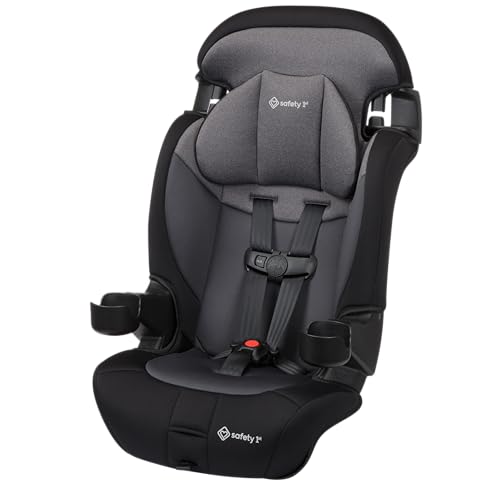
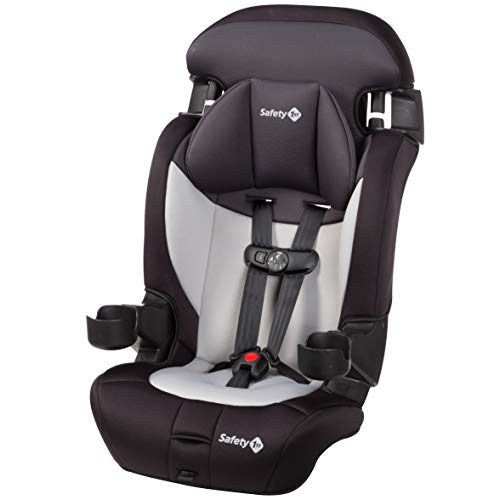
A high back booster seat with harness is a forward-facing child restraint that serves two distinct purposes. In harness mode, it uses a built-in five-point harness to secure your child, much like a standard forward-facing car seat. In booster mode, the harness is stowed or removed, and the vehicle’s lap-shoulder belt becomes the primary restraint, with the high back providing head and neck support plus a belt routing path [citation:3][citation:7].
This dual-purpose design means you buy one seat that can last through multiple stages, provided your child fits within the manufacturer’s height and weight limits for each mode.
Why Choose a Harnessed Booster Over a Standard Booster?
The main advantage is extended harnessing. Many pediatric safety advocates recommend keeping children in a five-point harness for as long as they fit within the seat’s harness limits, because a harness distributes crash forces across the strongest parts of a child’s body [citation:3]. A standard belt-positioning booster relies on your child’s ability to sit still and keep the seat belt properly positioned for the entire ride—a skill that not every young child has mastered.
A harnessed booster also gives you a built-in transition path. Instead of moving directly from a convertible car seat to a booster, you can keep the harness until your child reaches the seat’s harness weight or height ceiling, then switch to booster mode without buying another seat.
Key Factors to Evaluate Before Buying
1. Harness Mode Limits
Check the maximum weight and height for harness use. Many combination seats support harness use up to around 40 to 65 pounds, depending on the model [citation:1][citation:2]. The higher the harness ceiling, the longer you can keep your child in the more secure five-point harness. Also verify the minimum weight and age—most harnessed boosters require a child to be at least two years old and around 22 pounds before harness use [citation:1][citation:7].
2. Booster Mode Fit
Once converted, the seat must position the vehicle seat belt correctly. The lap belt should lie low across the upper thighs, and the shoulder belt should cross the middle of the chest. Look for adjustable headrests and belt guide systems that help route the shoulder belt properly as your child grows [citation:3][citation:8].
3. Installation Method
In harness mode, the seat can typically be installed with either the vehicle seat belt or lower anchor connectors (LATCH/UAS), plus a top tether where required. In booster mode, the seat is usually secured by the vehicle belt and your child’s weight; some models allow lower anchor use in booster mode if the vehicle manufacturer permits it [citation:15]. Read the manual carefully—installation rules differ by mode.
4. Side Impact Protection and Head Support
A high back provides head and neck support, which is especially important if your vehicle’s rear seats lack adjustable headrests or if you want additional side-impact coverage [citation:3]. Look for deep headrest wings, energy-absorbing foam, and a sturdy shell.
5. Ease of Conversion
Switching from harness to booster mode should be straightforward. Some seats require rethreading the harness, while others have no-rethread designs that adjust the headrest and harness height together. A simple, well-documented conversion process reduces the chance of misuse.
How to Know When to Switch from Harness to Booster Mode
The decision should be based on your child’s size and maturity, not age alone. Move to booster mode only when your child has reached the harness mode’s maximum weight or height limit and can consistently follow these rules for the entire trip [citation:3]:
- Sit upright without slouching or leaning forward
- Keep the seat belt buckled and properly positioned
- Not place the shoulder belt under the arm or behind the back
- Stay in position even while sleeping
If your child cannot yet do these things, keep them in harness mode as long as the seat allows. A high back booster seat with harness gives you that flexibility.
Quick readiness check: Before converting to booster mode, verify that the vehicle seat belt fits your child correctly in the booster. The lap belt should touch the thighs, not the belly. The shoulder belt should cross the chest, not the neck. If the fit is poor, the harness is still the safer choice [citation:3][citation:8].
Understanding Product Tiers in This Category
Harnessed boosters range from essential-tier seats with basic padding and simple adjustments to premium-tier models with reinforced frames, no-rethread harnesses, and advanced side-impact features. The table below summarizes what you can generally expect across tiers.
| Tier | Typical Characteristics | Best For |
|---|---|---|
| Essential tier | Basic five-point harness, standard padding, manual harness height adjustment, dual cup holders | Families seeking a straightforward, lightweight harnessed booster for occasional or secondary vehicle use |
| Mid-tier | Higher harness weight limits, no-rethread harness adjustments, improved headrest positioning, machine-washable covers | Daily drivers who want a balance of longevity, comfort, and easier adjustments as the child grows |
| High-end tier | Steel-reinforced frames, advanced side-impact protection, premium fabrics, multi-position recline, easy conversion to booster | Parents prioritizing extended rear-facing-to-forward-facing transitions, long-term durability, and maximum comfort on longer trips |
Practical Tips for Safe Use
- Install in the back seat. Children under 13 are safest in the rear, and the center rear position can offer additional protection from side impacts [citation:15].
- Use the top tether in harness mode. A properly attached top tether reduces forward head movement in a crash [citation:15].
- Check the harness tightness. You should not be able to pinch the harness straps at the shoulder. The chest clip should sit at armpit level [citation:15].
- Re-check the fit as your child grows. Harness height should be at or just above the shoulders in forward-facing harness mode. The top of the ears must stay below the top of the headrest [citation:1].
- Store the harness correctly in booster mode. Follow the manufacturer’s instructions for stowing the harness so it does not interfere with the vehicle belt path.
If you are also comparing a dedicated high back booster without a harness for an older child, our guide to a high back booster car seat covers belt-positioning-only models. For families managing multiple children, a slim-profile harnessed booster may work alongside a convertible crib with changing table and dresser setup at home, keeping the nursery and travel gear coordinated.
Frequently Asked Questions
Can I use a high back booster seat with harness for a child under two?
No. Most harnessed boosters require a minimum age of two years and a minimum weight of around 22 pounds for forward-facing harness use [citation:1][citation:7]. Children under two should remain in a rear-facing car seat as long as possible.
Does the harness need to be removed completely in booster mode?
Not always. Some seats allow you to stow the harness behind the seat pad or in a dedicated compartment. Always follow the specific manufacturer’s instructions for your model. Never leave harness straps loose where they could interfere with the vehicle belt.
Is a high back booster with harness safe for air travel?
Many combination seats are aircraft-certified for harness mode, but not all are approved for booster mode on aircraft. Check the label on your specific seat and the airline’s policy before flying. A harnessed booster can be a practical choice for travel because it provides a familiar, secure seat on the plane and in a rental car.
How do I know if the booster seat fits my vehicle?
Before buying, check your vehicle owner’s manual for car seat installation guidelines. In booster mode, the vehicle seat must have a lap-shoulder belt—lap-only belts are not safe for booster use [citation:15]. Also ensure that the booster’s base does not overhang the vehicle seat edge.
Bottom Line
A high back booster seat with harness is a practical, safety-focused choice for parents who want to keep their child in a five-point harness beyond the convertible car seat stage without committing to a dedicated booster too early. Focus on harness limits first, then booster-mode fit, installation flexibility, and side-impact support. When you match the seat’s capabilities to your child’s size and maturity, you get a restraint that protects them well through multiple stages of growth.