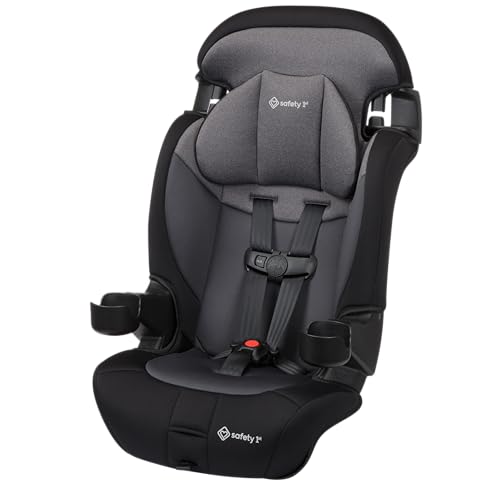
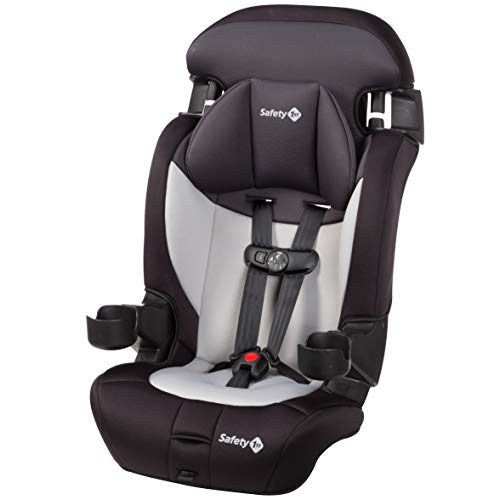
High Back Booster Seat with 5 Point Harness: The Complete Buying Guide
Everything you need to know before choosing a harnessed high back booster — fit requirements, safety features, installation tips, and how to decide when your child is ready. Designed for parents who want confidence, not confusion.
Explore Recommended OptionsWhy this guide matters: A high back booster seat with a 5 point harness bridges the gap between a convertible car seat and a belt-positioning booster. It keeps your child secured with a full harness while adding the head and torso protection of a high back shell. Getting the right fit and features is essential for safe travel — and this guide walks you through every decision point.
What Is a High Back Booster Seat with 5 Point Harness?
A high back booster seat with 5 point harness is a forward-facing child restraint that combines two safety concepts: the deep head and torso support of a high back booster, and the secure full-body hold of a five-point harness. Unlike a standard belt-positioning booster, which relies on the vehicle's seat belt to restrain the child, this seat uses its own harness system to keep the child in place.
This design is especially useful for children who have outgrown the rear-facing limits of a convertible seat but are not yet mature enough — or large enough — to use a vehicle seat belt correctly. The harness distributes crash forces across the strongest parts of a child's body, while the high back shell helps keep the head and neck supported and encourages proper seat belt positioning later when the seat is converted to booster mode.
Many models are designed to grow with your child. A high back booster that converts to backless booster offers extended usability, while a high back booster with removable back gives you flexibility as your child grows and your vehicle changes.
Who Should Use a Harnessed High Back Booster?
This type of seat is typically the next step after a convertible car seat, for children who meet the seat's minimum weight and height requirements. Most models state a minimum weight around 18 to 20 kilograms and a minimum height around 100 to 110 centimetres, though you should always check the specific seat's labels and manual.
Children benefit most from a harnessed high back booster when they:
- Have outgrown the rear-facing position but still need a full harness for secure restraint.
- Are not yet able to sit still for the entire journey, which is a key requirement for belt-positioning boosters.
- Need additional head and neck support that a backless booster cannot provide.
- Are transitioning between seat types and need a stable, familiar harness system.
For a broader overview of seat types and how they compare, see our high back booster seat guide. If you are specifically comparing harness models, the high back booster car seat with harness page offers additional context on features and fit.
Weight and Height Requirements: What to Check
Every harnessed booster has two sets of limits: one for harness mode and one for booster mode (if the seat converts). The harness limits are the most important because they determine when your child can safely use the seat with the five-point harness.
Typical harness-mode limits for a high back booster with 5 point harness fall within these ranges:
- Minimum weight: approximately 18 to 20 kilograms
- Maximum weight: approximately 25 to 30 kilograms in harness mode
- Minimum height: approximately 100 to 110 centimetres
- Maximum height: varies by model, often around 125 to 145 centimetres in harness mode
These are general ranges. Your child must meet both the weight and height minimums, and the harness must fit properly — the shoulder straps should be at or just above the shoulders, and the chest clip should sit at armpit level. For a detailed breakdown, see high back booster seat height and weight and height and weight for high back booster seat.
Always follow the seat manufacturer's stated limits. Moving a child to booster mode too early — before they meet the booster minimums — reduces protection.
Key Features to Look For
Not all harnessed high back boosters are built the same. The features below have the biggest impact on safety, comfort, and long-term usability.
Harness System
Look for a five-point harness with a sturdy chest clip and easy-to-adjust straps. A no-rethread harness allows you to change harness height without disassembling the seat, which makes growth adjustments simpler. The buckle should be easy for adults to operate but difficult for children to unfasten.
Head and Torso Support
The high back shell should provide deep side wings that support the head and neck. Adjustable headrests that move together with the harness are convenient and help maintain proper strap alignment as your child grows.
LATCH and Installation
A high back booster seat with LATCH system can simplify installation and keep the seat stable when unoccupied. Some models allow LATCH use in both harness and booster modes, while others restrict it to one mode — check the manual. For a comparison of seats with this feature, see high back booster car seat with LATCH system.
Convertibility
Many seats convert from harness mode to a belt-positioning booster once the child reaches the harness limits. A model that becomes a backless booster extends the seat's useful life even further. If space and travel are priorities, a convertible design is worth considering.
Cup Holders and Comfort
A high back booster seat with cup holder is a practical feature for longer journeys. Removable and dishwasher-safe cup holders are easier to clean. Breathable fabrics and padded seat cushions improve comfort on longer trips.
How Harnessed High Back Boosters Compare by Tier
Rather than focusing on numerical pricing, it helps to understand how seats differ across quality tiers. The descriptors below use a consistent classification system based on market positioning and feature depth.
Entry-Level Tier
Basic five-point harness, fixed or manually rethreaded headrest, simple fabric covers, and standard side impact protection. A solid choice for occasional use or as a secondary seat.
Mid-Range Tier
No-rethread harness adjustment, deeper side wings, easier LATCH connectors, and more comfortable padding. A balanced option for everyday use with good feature depth for the category.
Premium Tier
Advanced side impact protection, premium fabrics, smooth harness adjusters, and thoughtful details such as removable cup holders and machine-washable covers. A long-term investment for families who travel frequently.
Top-Tier / Flagship
Maximum harness weight and height limits, reinforced shell construction, anti-rebound features where applicable, and the most refined installation hardware. Well-specified for the category and designed for extended use.
For more specific model guidance, see high back booster seat recommendations and highest rated high back booster seats. If you are comparing harness models directly, the high back booster with 5 point harness page provides additional detail.
Feature Comparison at a Glance
| Feature | Entry-Level Tier | Mid-Range Tier | Premium Tier | Top-Tier / Flagship |
|---|---|---|---|---|
| Harness Type | Five-point, rethread adjustment | Five-point, no-rethread | Five-point, no-rethread, smooth adjuster | Five-point, no-rethread, premium hardware |
| Side Impact Protection | Standard | Deep side wings | Advanced with headrest coverage | Reinforced shell, maximum coverage |
| LATCH System | Basic connectors | Easy-click connectors | Premium connectors, stable installation | Premium connectors, multi-mode LATCH |
| Convertibility | Some models convert to booster | Most convert to high back booster | Convert to high back and backless booster | Full conversion with extended limits |
| Cup Holder | Optional or none | One included | One or two, removable | Two, dishwasher-safe |
| Best For | Secondary seat, occasional use | Everyday family use | Frequent travel, long-term use | Maximum protection and longevity |
Installation Tips for Harness Mode
Correct installation is just as important as the seat you choose. Follow these steps and always consult the seat manual and your vehicle owner's manual.
- Use the correct seating position: Install the seat in a forward-facing position approved by both the seat manufacturer and your vehicle. Many seats recommend a top tether in harness mode.
- Secure the seat tightly: Whether using LATCH or the vehicle seat belt, the seat should not move more than about 2.5 centimetres side to side at the belt path.
- Adjust the harness height: Shoulder straps should be at or just above the child's shoulders in forward-facing harness mode. A no-rethread harness makes this adjustment quick and accurate.
- Tighten the harness: You should not be able to pinch slack at the shoulder. The chest clip should sit at armpit level.
- Check the recline angle: Some harnessed boosters allow a slight recline for comfort. Follow the manual for the approved angle in your vehicle.
If you are comparing installation options, the high back booster car seat with LATCH system page covers connector types and stability considerations.
When to Transition to Booster Mode
Your child should remain in harness mode until they reach the maximum weight or height limit for the harness, or until the harness no longer fits properly — whichever comes first. Moving to booster mode early reduces protection because the vehicle seat belt does not restrain a small child as effectively as a five-point harness.
Before switching to booster mode, confirm that your child meets the booster minimums and can sit still for the entire journey. The seat belt must lie flat across the shoulder and low across the hips. If the belt crosses the neck or the stomach, the child is not ready for booster mode.
If your seat converts, a high back booster that converts to backless booster can extend usability further once the high back is no longer needed. For height and weight guidance in booster mode, see high back booster weight requirement.
Common Mistakes to Avoid
- Switching to booster mode too early: Keep the harness in use until the child reaches the harness limits and fits the seat belt correctly.
- Incorrect harness height: Straps that are too low or too high reduce protection. Adjust the headrest and harness together if the seat allows.
- Loose installation: A seat that moves excessively at the belt path will not perform as designed. Check installation regularly.
- Ignoring the top tether: Many harnessed boosters recommend or require a top tether. Check both manuals.
- Using LATCH in an unapproved mode: Some seats allow LATCH in harness mode only, others in both modes. Follow the seat's instructions.
- Bulky clothing: Thick coats can create slack in the harness. Use thin layers and check the harness fit after adjusting clothing.
Buying Checklist
Before you decide, confirm:
- Your child meets both the minimum weight and height for harness mode.
- The harness fits properly with the shoulder straps at or above the shoulders.
- The seat installs securely in your vehicle using approved methods.
- You understand the harness-mode and booster-mode limits.
- LATCH and top tether requirements are clear from both manuals.
- The seat converts to booster mode if you want extended usability.
- Fabric covers are removable and washable for practical day-to-day use.
- Side impact protection meets your expectations for head and torso coverage.
Frequently Asked Questions
What is a high back booster seat with 5 point harness?
It is a forward-facing child car seat that combines a high back shell with a built-in five-point harness. This configuration provides head and torso support while securing the child with a harness rather than the vehicle's seat belt, making it suitable for children transitioning from a convertible car seat.
When can my child use a high back booster with 5 point harness?
Children can use this type of seat once they meet the manufacturer's minimum weight and height requirements, typically around 18 to 20 kilograms and 100 to 110 centimetres, while still fitting the harness properly. Always follow the specific seat's stated limits and keep children in a harness as long as they fit.
How long can my child stay in a 5 point harness booster?
Children should remain in a five-point harness until they reach the upper weight or height limit of the harness mode. Many high back boosters with harness support children up to roughly 30 kilograms in harness mode, after which the seat can often be converted to a belt-positioning booster.
Does a high back booster with 5 point harness need a top tether?
Many models recommend or require a top tether in harness mode to reduce forward head movement in a crash. Always check the seat's manual and your vehicle's owner manual to confirm tether requirements and approved seating positions.
Can I use LATCH with a harnessed high back booster?
Many seats allow LATCH installation in harness mode, and some also allow it in booster mode. However, LATCH use varies by model — always consult the seat manual. A high back booster seat with LATCH system can simplify installation and improve stability.
What is the difference between harness mode and booster mode?
In harness mode, the seat's five-point harness restrains the child. In booster mode, the seat is positioned so that the vehicle's seat belt restrains the child. Booster mode is used only after the child has outgrown the harness limits and meets the booster minimums.