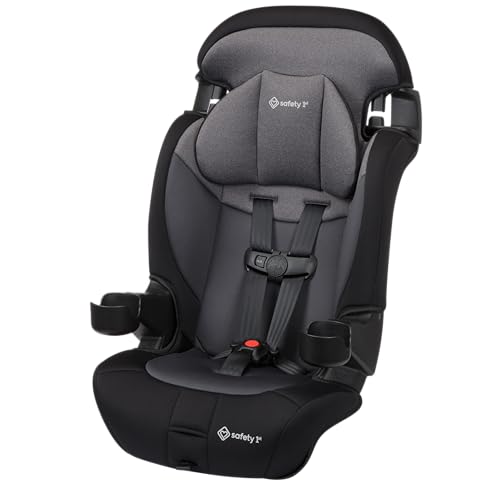
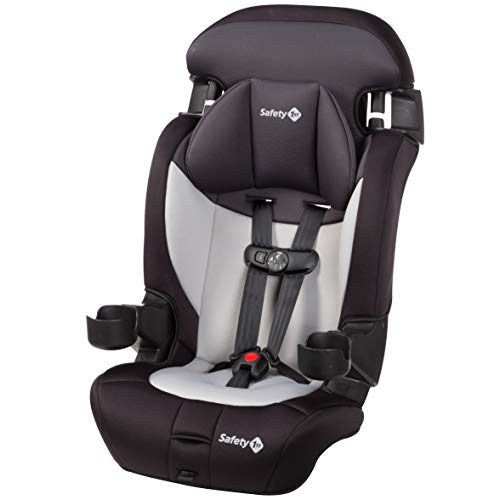
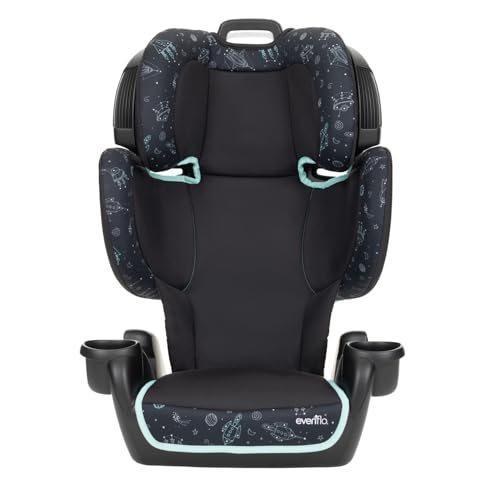
High Back Booster Car Seat with 5 Point Harness
Your complete guide to understanding harness booster seats, safety standards, fit, installation, and how to choose the right model for your growing child.
What Is a High Back Booster Car Seat with a 5 Point Harness?
A high back booster car seat with a 5 point harness is a hybrid child safety seat that combines the upper body and head support of a high back booster with the secure, full-body restraint of a five-point harness. Unlike a standard belt-positioning booster that relies on the vehicle's lap and shoulder belt, this type of seat keeps the child secured by an internal harness system while providing the structural benefits of a tall backrest.
These seats are designed for children who have outgrown their rear-facing or forward-facing convertible car seat but are not yet ready for a belt-positioning booster. The internal harness distributes crash forces across the strongest parts of a child's body — the shoulders and hips — while the high back provides side-impact protection and head support.
Key point: A high back booster with a 5 point harness is not the same as a belt-positioning booster. The harness model secures the child with an internal five-point system, while a belt-positioning booster uses the vehicle's seat belt. Always confirm which mode your seat is in before each trip.
Why Choose a High Back Booster with a 5 Point Harness?
Parents often wonder whether a harness booster is necessary or whether they should move straight to a belt-positioning booster. The answer depends on the child's size, maturity, and the specific seat's limits. Here are the main advantages of a high back booster with a 5 point harness:
- Extended harness use: Many models accommodate children up to 65 pounds or more in the harness, allowing you to keep a child in a five-point harness longer than a standard convertible car seat might permit.
- Side-impact protection: The tall backrest and deep head wings provide additional protection for the head and torso in a side-impact collision.
- Better fit for smaller children: The internal harness ensures proper positioning for children who are not yet tall enough for the vehicle's shoulder belt to fit correctly.
- Convertibility: Many harness boosters convert to a belt-positioning high back and then to a backless booster, extending the seat's useful life as the child grows.
- Installation stability: Most models include lower anchor connectors or a top tether, which can improve installation stability compared to a belt-only booster.
For families who want to maximize harness time and side-impact protection, a high back booster with a 5 point harness is a practical choice. If you are comparing options, you may also want to review our guide on high back booster with 5 point harness for additional feature comparisons.
When Should Your Child Move to a Harness Booster?
The right time to transition depends on your child's height and weight relative to the seat's limits, not on age alone. As a general rule, children should remain in a forward-facing car seat with a five-point harness until they reach the maximum height or weight limit of that seat. A high back booster with a 5 point harness can then serve as the next step.
Most harness boosters are designed for children from about 22 to 65 pounds and up to roughly 49 inches tall, though specifications vary by model. Always check the manual for the exact limits of your seat. You should also consider the following signs that a child is ready:
- The child has outgrown the harness height slots of the current car seat.
- The child's shoulders are above the highest harness slot of the current seat.
- The child's weight is within the harness booster's forward-facing limits.
- The child can sit upright and keep the harness snug without slouching.
For a detailed breakdown of height and weight thresholds, see our guide on height and weight for high back booster seat.
Key Features to Look For
Not all harness boosters are built the same. When comparing models, focus on the following features to ensure a safe and comfortable fit for your child:
Harness System
Look for a five-point harness with a chest clip, adjustable shoulder height, and easy-to-use buckle. The harness should sit snug against the child's body with no slack, and the chest clip should be positioned at armpit level. Some models offer no-rethread harness adjustment, which makes it easier to change harness height as the child grows.
Head and Torso Support
Deep head wings and a tall backrest provide side-impact protection and support for sleeping children. Adjustable headrests allow the seat to grow with the child. Energy-absorbing foam in the head and torso areas is a valuable safety feature.
Installation Options
Many harness boosters include lower anchor connectors (LATCH) or a top tether. A top tether is especially important for forward-facing harness use because it reduces forward head movement in a crash. Check whether the seat can be installed with either the vehicle belt or the lower anchors, and confirm the limits for each method.
Convertibility
If you want a seat that will last longer, choose a model that converts from a harness booster to a belt-positioning high back and then to a backless booster. This allows the seat to remain useful as the child grows. See our comparison of high back booster converts to backless booster models for more detail.
Cup Holders and Comfort
Removable cup holders and breathable fabrics are practical comfort features. If a cup holder is important for your family, look for a model with a high back booster seat with cup holder that is dishwasher-safe.
Harness Booster vs. Belt-Positioning Booster
The table below summarizes the main differences between a high back booster with a 5 point harness and a standard belt-positioning booster. Use this to decide which mode is appropriate for your child's current size and maturity.
| Feature | High Back Booster with 5 Point Harness | Belt-Positioning Booster |
|---|---|---|
| Restraint method | Internal five-point harness | Vehicle lap and shoulder belt |
| Best for | Children who have outgrown convertible seats but are not ready for a vehicle belt | Children who meet the booster's height and weight limits and can sit properly |
| Upper body support | High back with head wings and harness | High back or backless, relies on vehicle belt |
| Installation | Lower anchors or seat belt, often with top tether | Usually secured with the vehicle belt; some models have lower anchors |
| Convertibility | Often converts to belt-positioning and backless modes | May convert to backless |
For a broader overview of booster categories, see our guide on high back booster seat options.
How to Install and Use a Harness Booster Safely
Proper installation is essential for the seat to perform as designed. Follow these general steps, and always refer to your specific model's manual for exact instructions:
- Choose the right seating position: Install the booster in a rear seating position, preferably the center if the vehicle allows and the seat fits properly. Avoid front seats with active airbags.
- Secure the seat: Use the lower anchors or the vehicle seat belt according to the manual. If a top tether is provided, attach it to the designated tether anchor.
- Check for movement: The seat should move less than one inch at the belt path when checked at the belt path. If it moves more, tighten the installation.
- Adjust the harness: Route the harness through the correct height slots — at or just below the child's shoulders for forward-facing use. Buckle the chest clip at armpit level and tighten the harness so you cannot pinch slack at the shoulder.
- Check the fit: The child should sit upright with the harness snug and the headrest positioned to support the head. Recheck the harness and installation before every trip.
Safety reminder: Never use a harness booster in a seating position without a proper anchor or belt system. Do not remove the backrest unless the manual permits it. Register your seat with the manufacturer so you receive recall notifications.
If your vehicle uses a LATCH system, review our notes on a high back booster car seat with latch system for installation tips.
How to Choose the Best Harness Booster for Your Family
When narrowing down options, consider your child's size, your vehicle, and how long you plan to use the seat. Here is a practical framework:
Check the Height and Weight Limits
Every harness booster has a maximum harness height and weight. Choose a model whose limits comfortably exceed your child's current size so you can keep the child in the harness longer. Our guide on high back booster with highest height limit can help you identify seats with generous harness limits.
Consider Convertibility
If you want a seat that will last from the harness stage through the backless booster stage, look for a model that converts. This can be a long-term investment that grows with your child. For more options, see our roundup of high back booster seat recommendations.
Evaluate Installation Compatibility
Check whether the seat fits your vehicle's seating positions and whether it can be installed with the lower anchors or seat belt. Some vehicles have specific requirements for booster seats, so consult your vehicle manual as well.
Look for Side-Impact Protection
Side-impact protection is a valuable feature, especially for families who frequently drive in traffic. Look for deep head wings and energy-absorbing foam. Our guide to the highest rated high back booster seats highlights models with strong safety features.
Entry-Level vs. Mid-Range vs. Premium Harness Boosters
Harness boosters are available across a range of market tiers. While all seats sold in the United States must meet federal safety standards, higher tiers often add convenience and comfort features. Here is a neutral comparison:
| Tier | Typical Characteristics | Best For |
|---|---|---|
| Entry-level | Basic five-point harness, manual harness adjustment, standard padding, simple installation | Families seeking a straightforward harness booster for occasional use |
| Mid-range | No-rethread harness, deeper head wings, removable cup holders, easier installation with lower anchors | Families who want a balance of safety features and everyday convenience |
| Premium | Extended harness limits, premium fabrics, multi-position recline, quick-release harness, advanced side-impact protection | Families who want maximum harness time and comfort for long trips |
Choose the tier that matches your priorities. A mid-range model often offers a solid balance of features and ease of use, while a premium model may be worthwhile if you plan to keep a child in the harness for as long as possible. For more on specific models, see our guide to high back booster car seat with 5 point harness.
Common Mistakes to Avoid
Even well-designed seats can underperform if they are used incorrectly. Avoid these common mistakes:
- Switching to a belt-positioning booster too early: Move to a belt-positioning booster only when the child outgrows the harness limits, not based on age.
- Loose harness: The harness should be snug enough that you cannot pinch slack at the shoulder. A loose harness can allow the child to move too far forward in a crash.
- Incorrect harness height: For forward-facing use, the harness should be at or just below the child's shoulders. Recheck the height as the child grows.
- Removing the backrest prematurely: Do not convert to a backless booster unless the manual explicitly permits it and the child meets the height and weight requirements for that mode.
- Skipping the top tether: If your seat and vehicle are equipped for a top tether, use it. The tether reduces forward head movement in a crash.
- Not registering the seat: Registering your seat ensures you receive recall notices. Check the manufacturer's website for registration details.
For more guidance on the differences between harness and belt-positioning modes, see our article on high back booster car seat with harness.
Frequently Asked Questions
When should my child move to a high back booster with a 5 point harness?
Most children should remain in a forward-facing car seat with a five-point harness until they reach the maximum height or weight limit of that seat. Many high back boosters with a 5 point harness accommodate children from about 22 to 65 pounds and up to 49 inches tall. Transition based on the seat's limits and your child's fit, not age alone.
What is the difference between a harness booster and a belt-positioning booster?
A harness booster secures the child with an internal five-point harness, similar to a standard car seat. A belt-positioning booster routes the vehicle's lap and shoulder belt across the child. The harness model provides better upper body support for smaller children, while belt-positioning boosters are designed for older, larger children who have outgrown harness limits.
Can a high back booster with 5 point harness convert to a backless booster?
Many models are designed to convert from a harness booster to a belt-positioning high back and then to a backless booster as the child grows. Always follow the manufacturer's height and weight guidelines for each mode and never remove the back unless the manual permits it.
How do I install a high back booster with a 5 point harness securely?
Use the vehicle's lower anchors or seat belt to secure the booster, following the manual for your specific model. Many models include a top tether for added stability. Check that the seat moves less than one inch at the belt path, and always use the internal harness for the child.
What safety features should I look for?
Look for a five-point harness with a chest clip, side-impact protection, a top tether, and energy-absorbing foam. Adjustable headrests and harness heights are important for proper fit as the child grows. Confirm that the seat meets current federal safety standards and has clear height and weight limits for each mode.
Ready to Explore Harness Booster Options?
Use the product recommendations below to compare models, check availability, and find a harness booster that fits your child and your vehicle.