Height and Weight for High Back Booster Seat: Your Complete Safety Guide
Every parent wants to keep their child safe on the road. Understanding the exact height and weight requirements for a high back booster seat is one of the most important steps in your child's car safety journey. This comprehensive guide walks you through the transition milestones, fit checks, and key considerations so you can make a confident, informed decision.
Why Height and Weight Matter So Much
Car seats are engineered to protect children at specific sizes. A high back booster seat is designed for a very particular window of growth—large enough to have outgrown a forward-facing harness seat but not yet tall enough for a standard vehicle seat belt to fit correctly. When you place a child in a booster seat before they meet the minimum height and weight requirements, the seat belt can rest dangerously across the neck or abdomen instead of the strong parts of the body. Conversely, keeping a child in a harness seat past its limits can also compromise safety.
The height and weight for high back booster seat guidelines exist for a reason: they ensure the vehicle's lap and shoulder belt are positioned to distribute crash forces across the strongest parts of a child's skeleton. This guide will help you understand those numbers and, just as importantly, the qualitative signs that your child is ready.
General Height and Weight Requirements
While exact specifications vary between manufacturers, the vast majority of high back booster seats share a common set of minimum and maximum thresholds. Here is the general landscape:
| Requirement | Typical Minimum | Typical Maximum |
|---|---|---|
| Weight | 40 lbs (18 kg) | 100–120 lbs (45–54 kg) |
| Height | 43 inches (109 cm) | 57–60 inches (145–152 cm) |
| Age | 4 years old | Until seat belt fits correctly |
These are general ranges. Your child's specific seat will have a label and a manual with the exact limits. Always defer to those manufacturer specifications over any general guidance. If your child is close to a boundary—either minimum or maximum—pay close attention to the fit checks described later in this guide.
Minimum Requirements: When Is Your Child Ready?
The minimum thresholds are not just about physical size; they are about developmental readiness. A child must be able to sit upright for the entire ride without slouching, leaning forward, or unbuckling. This level of self-control typically emerges around age four, which is why age is a critical component alongside height and weight.
Weight Minimum
Most high back boosters require a minimum weight of 40 pounds (18 kg). Some models designed for smaller children may start slightly lower, but 40 pounds is the widely accepted standard. Placing a lighter child in a booster is risky because the seat belt may not restrain them properly in a crash, and they may not have the physical maturity to stay positioned correctly.
Height Minimum
The typical minimum height is 43 inches (109 cm). This ensures the booster's backrest can position the shoulder belt across the middle of the shoulder rather than the neck. A shorter child may have the shoulder belt cross their face or neck, which is not only uncomfortable but dangerous. Some vehicles have adjustable shoulder belt anchors that can help, but the booster seat's design assumes a certain minimum torso height.
Age Minimum
Safety organizations and manufacturers universally recommend a minimum age of 4 years old. However, age alone is not sufficient. A four-year-old who is tall enough but fidgety and unable to sit still should remain in a harness seat. The combination of age, height, weight, and behavioral maturity is what matters.
If your child is approaching these minimums, you may also be exploring other gear transitions. For families planning ahead, understanding options like a high back booster car seat with harness can provide a useful bridge between a traditional harness seat and a standard booster.
Maximum Requirements: When Is It Time to Move On?
Just as there are minimums, there are maximums. A booster seat is outgrown when your child reaches its height or weight limit—whichever comes first. Continuing to use a booster past its limits is just as unsafe as using it too early.
Weight Maximum
Most high back boosters support children up to 100 to 120 pounds (45 to 54 kg). The weight limit is often determined by the integrity of the seat's structure and the vehicle's seat belt system. Once your child exceeds this limit, the booster may no longer provide adequate protection in a crash.
Height Maximum
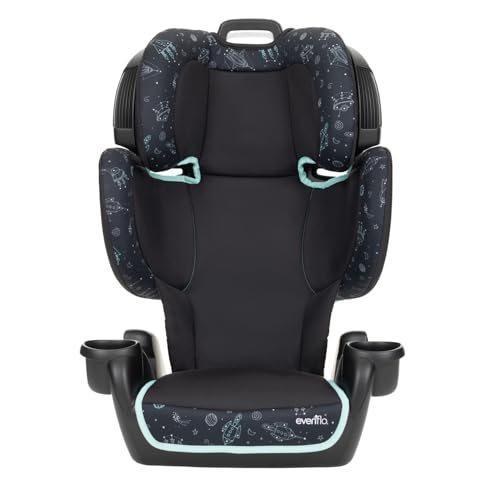
Height maximums typically range from 57 to 60 inches (145 to 152 cm). The critical checkpoint here is the top of your child's ears. They should never be higher than the top of the booster's headrest. If they are, the booster can no longer protect their head and neck in a side-impact collision. Some models, often referred to as high back boosters with the highest height limit, are designed specifically for taller children and can accommodate them up to 60 inches or slightly more.
Once your child outgrows the high back booster, they may be ready for a backless booster or, if they pass the five-step test, the vehicle's seat belt alone. Some seats are designed to convert, which is why many parents look for a high back booster that converts to a backless booster to extend the useful life of the seat.
The Fit Check: More Than Just Numbers
Height and weight are the starting point, but the real test is how the seat belt fits your child. Even if your child meets the minimum height and weight, the booster is only doing its job if the belt is positioned correctly. Here is what to check:
- Shoulder belt: The shoulder belt should cross the middle of your child's shoulder and chest, never touching the neck or face.
- Lap belt: The lap belt should lie flat across the upper thighs, not across the soft tissue of the abdomen.
- Head support: The top of your child's ears should be below the top of the booster's headrest at all times.
- Sitting posture: Your child should be able to sit upright without slouching for the entire ride.
- Knees and feet: Your child's knees should bend comfortably at the edge of the vehicle seat, and their feet should rest flat on the floor.
If any of these checkpoints fail, your child is not ready for the booster—or the booster is not the right fit. This is why many parents explore high back booster seat recommendations that account for different body types and vehicle interiors.
Signs Your Child Is Ready to Transition to a Booster
Beyond the numbers, there are practical signs that your child is ready to move from a harness seat to a high back booster. These signs help you make a judgment that goes beyond a simple height and weight chart:
- Your child has reached the maximum height or weight limit of their forward-facing harness seat.
- Their shoulders are above the top harness slot of the harness seat.
- They weigh at least 40 pounds and are at least 4 years old.
- They can sit still and upright for the entire car ride without reminders.
- They understand that the seat belt must never be placed behind their back or under their arm.
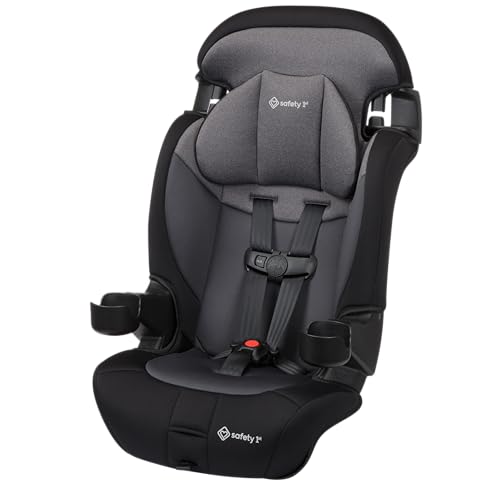
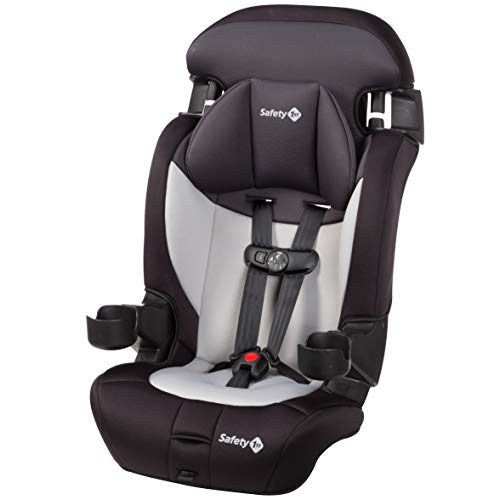
If your child meets these criteria, a high back booster is the logical next step. For families who want the flexibility of a harness option for longer trips or for younger siblings, a high back booster seat with 5-point harness can be a worthwhile investment.
Choosing a High Back Booster That Fits Your Child
When you are comparing high back booster seats, the height and weight specifications should be at the top of your list. But there are other features that influence how well a seat will work for your child and your vehicle:
Adjustable Headrests
A seat with a generously adjustable headrest can accommodate your child as they grow, often extending the useful life of the booster by several inches. This is particularly important if your child is tall for their age or if you want to delay the move to a backless booster.
LATCH System Compatibility
Many high back boosters can be secured to the vehicle using the LATCH system, which keeps the seat stable when your child is getting in and out. A high back booster car seat with LATCH system is a popular choice because it prevents the seat from sliding around and makes installation more consistent.
Cup Holders and Comfort Features
While not safety-critical, features like a high back booster seat with cup holder can make longer rides more pleasant for your child and reduce distractions for you. Comfort features like padded seat cushions and armrests also encourage proper posture, which indirectly supports safety.
If you are unsure which seat to choose, exploring highest rated high back booster seats can give you a sense of the models that consistently perform well in independent testing and parent reviews.
Safety Standards and What They Mean for You
High back booster seats sold in the United States must meet Federal Motor Vehicle Safety Standard 213 (FMVSS 213). This standard sets minimum performance requirements for crash protection. In Europe, the equivalent standard is ECE R44/04 or the newer i-Size regulation (UN R129). When you are shopping, look for seats that meet or exceed these standards.
Beyond the baseline, many manufacturers voluntarily submit their seats for additional testing by organizations like the Insurance Institute for Highway Safety (IIHS). A seat that earns a "Best Bet" rating from the IIHS has demonstrated that it provides a good belt fit for a wide range of children in a variety of vehicles. These ratings are a valuable supplement to the height and weight specifications in the manual.
Common Mistakes to Avoid
Even parents with the best intentions can make mistakes when transitioning to a booster seat. Here are the most common pitfalls and how to avoid them:
- Moving too early: Placing a child in a booster before they meet the minimum height and weight requirements is one of the most common—and most dangerous—mistakes. Always wait until your child meets all three minimums: age, height, and weight.
- Ignoring the vehicle's headrest: If your vehicle's rear seat does not have a headrest, a high back booster is essential to prevent whiplash injuries. Never use a backless booster in a seating position without adequate head support.
- Using a seat past its expiry date: Car seats have a limited lifespan, typically 6 to 10 years from the date of manufacture. The plastic can degrade over time, compromising its structural integrity in a crash.
- Not checking the installation: Even a high back booster that uses the vehicle's seat belt should be checked for stability. If it slides around excessively when your child is not in it, consider a model with LATCH or review the installation instructions.
- Allowing the shoulder belt to slip: Some children try to put the shoulder belt behind their back or under their arm for comfort. This defeats the purpose of the booster and can cause severe injuries in a crash. Address this behavior immediately and consistently.
Frequently Asked Questions
What is the minimum height and weight for a high back booster seat?
Most high back booster seats require a minimum weight of around 40 pounds and a minimum height of about 43 inches. However, specific requirements vary by manufacturer, so always check your seat's manual. Children should also be at least 4 years old and mature enough to sit properly for the entire ride.
When can my child stop using a high back booster seat?
A child can typically transition out of a high back booster when they reach the maximum height or weight limit of the seat, or when they pass the 5-step seat belt test. Most children are ready between ages 8 and 12, and usually when they reach 4 feet 9 inches tall. The lap belt should lie flat across the upper thighs and the shoulder belt should cross the middle of the shoulder.
Is a high back booster safer than a backless booster?
High back boosters offer additional head and neck support, which is especially beneficial for children who fall asleep in the car or for vehicles without headrests in the rear seating positions. They also help position the shoulder belt correctly. For younger or smaller children transitioning from a harness seat, a high back booster is generally the safer choice.
What is the maximum height for a high back booster seat?
Maximum height limits vary by model, but many high back boosters accommodate children up to 57 inches tall. Some models with higher backrests can accommodate children up to 60 inches. The top of the child's ears should never exceed the top of the booster's headrest. Always refer to your specific seat's manual for exact limits.
Can a 3-year-old use a high back booster seat?
No. Three-year-olds are generally not ready for a booster seat. They typically do not meet the minimum weight requirement of around 40 pounds, and more importantly, they lack the maturity to sit properly for the entire ride without slouching or unbuckling. Children under 4 should remain in a forward-facing harness car seat.
Final Thoughts
The transition to a high back booster seat is a significant milestone in your child's car safety journey. By understanding the height and weight requirements, performing regular fit checks, and choosing a seat that matches your child's size and your vehicle's configuration, you can ensure that every ride is as safe as possible. Remember that the numbers in the manual are the foundation, but your child's maturity and the seat's actual fit in your car are equally important.
If you are still exploring your options, you may find it helpful to review the broader category of high back booster seats or compare specific models like a high back booster car seat with harness that offers a longer useful life. For parents who want to maximize the lifespan of their purchase, a high back booster that converts to backless booster is a practical choice that adapts as your child grows.