High Back Booster That Converts to Backless: What Parents Should Know
A convertible booster can serve your child through two distinct stages of travel safety. Here is how the high back to backless transition works, what safety rules apply, and which features matter before you choose.
Choosing a booster seat is one of the most consequential safety decisions you will make for a growing child. A high back booster that converts to a backless booster offers something a single-mode seat cannot: it adapts as your child grows, extending the useful life of the seat through two separate phases. But the phrase "converts" hides important details. The conversion is not merely cosmetic — it changes how the seat protects your child, when it is legal to use each mode, and what vehicle features you need to make it work.
This guide walks through the mechanics of conversion, the height and weight thresholds that govern each mode, and the practical questions parents ask most often. If you are comparing specific models, the broader high back booster seat recommendations can help you shortlist options, while this page focuses on understanding the convertible category itself.
What Does "Converts to Backless" Actually Mean?
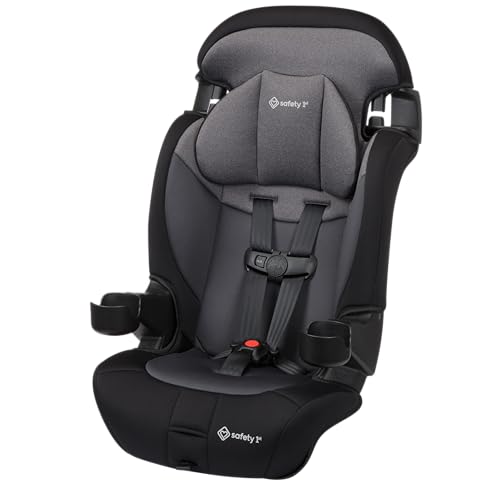
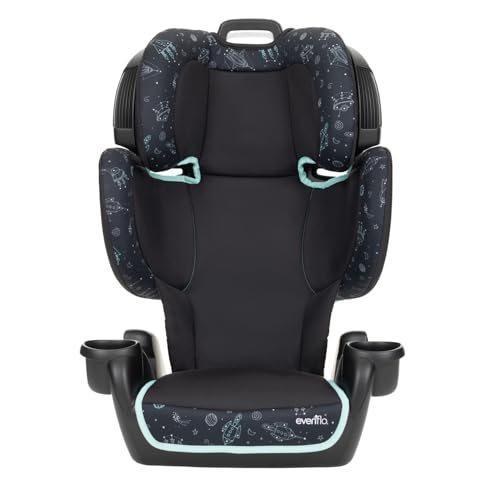
A high back booster with a removable back is a two-in-one seat. In its high back configuration, the seat includes a tall backrest and often a headrest that work together to position the vehicle's lap and shoulder belt correctly across your child's body. The backrest also provides side-impact support for the head and torso.
When you remove the backrest, the seat becomes a backless booster — a simple base that raises your child so the vehicle's three-point belt fits properly across the hips and shoulder. The base typically retains belt-positioning guides, and some models keep a small seat cushion with armrests.
Why the conversion matters
- Longer usable life. The seat serves a younger, smaller child in high back mode and an older, taller child in backless mode.
- Flexibility across vehicles. A backless booster is easier to move between cars, carpools, and travel situations.
- Gradual transition. You can delay the switch to backless until your child meets the manufacturer's minimums for that mode.
It is worth noting that conversion is not automatic. The manufacturer sets separate minimum and maximum limits for each mode, and those limits are not interchangeable. A seat that fits your child in high back mode may not yet be approved for backless use.
How the Conversion Works in Practice
Most convertible boosters use one of two removal systems. Understanding the difference helps you judge how convenient the seat will be day to day.
Removable back with release mechanism
The backrest attaches to the base with tabs, clips, or a sliding track. You press a release, lift the back off, and store it. Reattaching is usually a straightforward reverse of the process. These models are designed for repeated conversion, which is useful if you switch between a younger and older child.
Back that detaches with tools or fasteners
Some seats require loosening screws or releasing a locking bar. Conversion is possible but not intended for frequent back-and-forth switching. These designs often prioritize a more rigid connection in high back mode.
Practical tip: Before you remove the back, check the seat manual for the exact minimums for backless mode. Many parents assume the backless minimum matches the high back minimum — it usually does not. The convertible booster overview and your seat manual should be read together before any mode change.
Once converted, the backless base must still be used with a lap-and-shoulder belt. A lap-only belt is not acceptable for a backless booster in most vehicles and jurisdictions. If your rear seating position has a lap-only belt, the high back mode is generally the safer choice — and in some cases the only approved one.
When Should You Switch From High Back to Backless?
The switch is governed by three things: the manufacturer's stated minimums for backless mode, your child's physical fit in the vehicle, and the seating position available. All three must be satisfied.
| Consideration | What to Check | Why It Matters |
|---|---|---|
| Age | Manufacturer's minimum age for backless mode | Younger children benefit from the head and torso support of a high back |
| Height | Minimum standing height and seated height for backless use | The shoulder belt must cross the collarbone, not the neck |
| Weight | Minimum and maximum weight for each mode | Exceeding the limit compromises the belt path geometry |
| Vehicle seating | Presence of a lap-and-shoulder belt and a headrest | Backless boosters require a vehicle headrest for head support |
| Maturity | Ability to sit upright without slouching for the whole trip | A slouched child can slip out from under the belt |
Many convertible boosters list a backless minimum in the region of a certain standing height and weight that is higher than the high back minimum. Because these figures vary by model, always confirm the exact numbers in your seat's manual rather than relying on a general rule. For a detailed breakdown of the figures that apply to this category, see the guide on high back booster seat height and weight and the companion page on high back booster weight requirements.
The five-step fit test
- The child's back rests flat against the vehicle seat back.
- The lap belt lies low across the upper thighs, not the belly.
- The shoulder belt crosses the middle of the shoulder and chest.
- The child's knees bend comfortably at the edge of the seat.
- The child can stay in position for the entire ride.
If any of these fail in backless mode, keep using the high back configuration until they pass.
Safety Requirements That Apply to Both Modes
Conversion changes the seat's shape, not the underlying safety principles. The following rules apply in high back and backless configurations alike.
- Use the vehicle's three-point belt. Never use a booster with a lap-only belt in the rear center position unless the seat and vehicle manuals explicitly permit it.
- Route the belt through the correct guides. High back mode typically uses shoulder belt guides on the headrest or backrest; backless mode uses guides on the base or armrests.
- Do not use lower anchor attachments in booster mode. LATCH or ISOFIX connectors, where present, are for stabilizing an unoccupied seat — they do not restrain the child in booster mode. Check the manual for the specific rules on your model.
- Keep the child in the back seat. The rear seating row remains the safest place for children under the age recommended by your local regulations.
- Replace a seat after a moderate or severe crash. This applies regardless of which mode was in use.
If you are also weighing harness-based options for a younger child, the comparison between a high back booster car seat with a 5-point harness and a belt-positioning booster is worth reading before you commit to a convertible model. Harness seats serve a different phase and are not interchangeable with boosters.
Features to Compare Across Convertible Boosters
Two seats can both "convert to backless" and still differ enormously in daily usability. These are the features that separate a well-specified model from a basic one.
Headrest and backrest adjustment
A height-adjustable headrest lets the shoulder belt guide move with your child. Look for multiple positions and a smooth adjustment mechanism. In backless mode, the vehicle's headrest takes over this job, so confirm that your car's headrest can be positioned to support the top of your child's head.
Belt path design
Open belt guides are easier to load, while closed or partially enclosed guides reduce the chance of the belt slipping out. Both designs are safe when used correctly; the choice comes down to how often you move the seat.
Side-impact structure
Deep side wings and energy-absorbing foam in the backrest are meaningful in high back mode. Once the back is removed, that protection disappears, which is one more reason to delay the switch until your child meets the backless minimums.
Cup holders and storage
A high back booster seat with a cup holder is a small convenience that matters on longer drives. Check whether the holder remains usable after conversion — some designs are mounted on the backrest and disappear in backless mode.
Installation stability
Some models offer a LATCH system on the high back booster to keep the seat from sliding when unoccupied. This is a convenience feature, not a child restraint, and its availability varies by model.
Cover and cleaning
Removable, machine-washable covers are worth prioritizing. Booster seats see spills, crumbs, and the occasional juice box incident.
Tier context: Entry-level convertibles typically offer basic belt routing and a simple removable back. Mid-range models usually add multi-position headrests and deeper side wings. Premium and top-tier models often include easier conversion mechanisms, more refined fabrics, and additional adjustment ranges. The differences are about convenience and fit range rather than a binary safe-versus-unsafe distinction.
Common Mistakes When Converting a Booster
- Switching too early. Parents often remove the back as soon as the child asks, without checking the backless minimums. The backrest is providing real protection until the child outgrows it.
- Forgetting the vehicle headrest. A backless booster without a vehicle headrest behind it leaves the child's head unsupported in a rear impact.
- Using the wrong belt guide. After conversion, the shoulder belt must route through the backless base's guide, not float freely across the neck.
- Assuming LATCH secures the child. In booster mode, the vehicle belt restrains the child; lower anchors only stabilize the seat.
- Losing the backrest hardware. Store the removed backrest and any clips or screws together so the seat can be reconfigured later for a younger sibling.
Frequently Asked Questions
Can any high back booster be converted to backless?
No. Only seats explicitly designed with a removable back are convertible. A fixed-back booster cannot be modified, and attempting to remove its backrest voids the seat's safety certification.
Is a backless booster as safe as a high back booster?
Both are safe when used within the manufacturer's limits and with a proper three-point belt. High back mode adds head and torso support, which is why it is generally recommended for younger or smaller children and for vehicles without adjustable headrests in the rear.
Do I need a headrest in the car for backless mode?
In most cases, yes. A backless booster does not provide head support, so the vehicle seat must have a headrest that reaches at least the top of the child's ears. Check both the booster manual and the vehicle manual.
Can I switch back to high back mode later?
Yes, provided you kept the backrest and hardware and the child still fits within the high back limits. This is useful when the seat is handed down to a younger child.
What if my child falls asleep and slumps in backless mode?
Slumping can pull the shoulder belt away from the body or up toward the neck. If this happens frequently, the high back configuration — with its side wings — is the better choice until the child is mature enough to stay upright.
Does a convertible booster expire?
Yes. Booster seats carry an expiration date, typically printed on a label on the shell. The date applies to the seat as a whole, including both modes, so check it before passing a seat to another family.
Bottom Line
A high back booster that converts to a backless booster is a practical choice for families who want one seat to cover two stages. The key is to treat the conversion as a milestone with its own rules, not as a convenience you trigger the moment your child asks. Confirm the backless minimums for your specific model, verify that your vehicle has a lap-and-shoulder belt and a suitable headrest in the seating position, and run the five-step fit test before you remove the back. Do that, and the convertible design earns its place as a long-term investment in your child's travel safety.