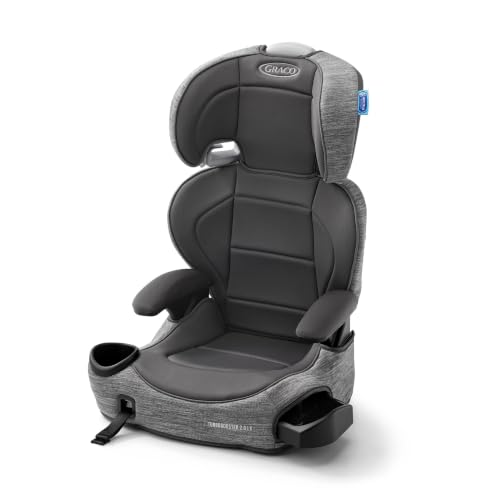
High Back Booster Seat With Latch System: The Complete Parent's Guide
Everything you need to know about latch-equipped high back booster seats — how they work, why they matter for safety, and how to choose the right one for your growing child.
Why a High Back Booster Seat With Latch System Deserves Your Attention
As your child transitions out of a forward-facing harnessed car seat, the next stage in car safety is a belt-positioning booster. Among the options available, a high back booster seat with latch system stands out as one of the most stable and parent-friendly choices. This combination pairs the head and torso support of a high back design with the convenience and security of lower anchor attachment.
If you are researching this category, you likely already know you want a booster — but you may be wondering whether the latch feature is genuinely worth prioritizing, how it interacts with the vehicle seat belt, and which features separate a well-engineered model from a basic one. This guide answers those questions in detail, so you can make a confident, informed decision.
What Exactly Is a High Back Booster Seat With Latch System?
A high back booster seat is a forward-facing child restraint with a tall backrest that provides head and neck support, often with side wings for protection in a side-impact collision. It positions the vehicle's lap-and-shoulder belt across the child's hips and shoulder rather than the abdomen and neck, which is critical for reducing injury risk.
The latch system (Lower Anchors and Tethers for Children) refers to the standardized attachment points built into most vehicles since the early 2000s. A latch-equipped booster uses flexible connectors or rigid arms to hook into these lower anchors, holding the booster firmly against the vehicle seat. This is distinct from the seat belt path used to restrain the child.
In short, the latch system is a booster retention feature, not a child restraint feature. Understanding this distinction is the foundation for using the seat correctly. For a broader overview of booster categories, you can explore our guide to the high back booster seat.
How the Latch System Works on a Booster Seat
When you install a latch-equipped high back booster, the process typically follows these steps:
- Position the booster on the vehicle seat in a designated seating position with lower anchors.
- Connect the latch connectors to the lower anchor bars, listening for a click and checking the indicator.
- Tighten the strap or push the rigid arms until the booster is snug against the vehicle seat back.
- Route the vehicle seat belt through the booster's belt guides — usually a shoulder guide near the headrest and a lap guide near the armrests.
- Buckle your child with the vehicle belt, ensuring the lap portion sits low on the hips and the shoulder portion crosses the mid-shoulder.
Some models use a top tether in addition to lower anchors, which further reduces forward movement. Always consult the booster's manual, because belt routing and latch limits vary between models. If you are comparing harness options for younger children, our article on a high back booster car seat with 5-point harness explains the transitional stage before booster use.
The Real Benefits of a Latch-Equipped High Back Booster
1. The Seat Stays Put
An unsecured booster can slide or tip when your child climbs in or out, and it can become a projectile in a sudden stop. Latch attachment keeps the booster anchored, so the belt guides are always where they should be.
2. Consistent Belt Positioning
Because the booster does not shift, the shoulder belt stays centered on the shoulder rather than slipping toward the neck or off the shoulder. This consistency matters on every single trip.
3. Easier Transitions
When your child is not in the seat, the booster remains in place — no need to re-position it each time. This is a small convenience that adds up over years of daily use.
4. Better Side-Impact Support
High back designs with deep head and torso wings, combined with a firmly anchored base, offer more predictable side-impact protection than a backless booster that can shift laterally.
For families considering a seat that adapts over time, our guide to a high back booster that converts to backless booster explains how latch features carry over as the back is removed.
Features to Compare Before You Choose
Not all latch-equipped high back boosters are built the same. Use the table below to evaluate candidates by tier and category rather than by any single specification.
| Feature | Entry-Level Tier | Mid-Range Tier | Premium Tier |
|---|---|---|---|
| Latch Connectors | Flexible strap with hook connectors | Flexible strap with push-button release | Rigid arm connectors with one-hand release |
| Headrest Adjustment | Manual re-thread or simple slide | Multi-position slide with clear indicators | One-hand, no-rethread adjustment with height markers |
| Side-Impact Protection | Basic head wings | Deep wings with energy-absorbing foam | Reinforced shell with dedicated side-impact cushions |
| Belt Routing | Standard shoulder and lap guides | Color-coded guides with anti-submarining clip | Premium guides with integrated belt lock-off |
| Cup Holders | One removable holder | Two fold-away holders | Two dishwasher-safe, deep holders |
| Cover Care | Hand wash, air dry | Machine washable, line dry | Machine washable and dryer-safe |
Within each tier, a well-specified model should be competitive within its class. For side-by-side model comparisons, see our roundup of high back booster seat recommendations and the highest rated high back booster seats.
Fit and Sizing: When Is Your Child Ready?
A booster seat is the right next step when your child has reached the height or weight limit of their forward-facing harnessed seat, is at least four years old, and can sit correctly for the entire trip. Most manufacturers set a minimum around 40 pounds, but always follow your specific seat's manual.
Fit matters as much as age. The lap belt should lie flat across the upper thighs, the shoulder belt should cross the mid-shoulder and chest, and your child's head should be supported by the booster's headrest. For detailed thresholds, read our guides on height and weight for high back booster seat and high back booster weight requirement.
If your child is tall for their age, look for a model with an extended headrest range. Our article on the high back booster with highest height limit covers seats designed to accommodate taller children through the booster years.
Common Installation Mistakes to Avoid
- Using latch and the seat belt to restrain the child simultaneously. Latch secures the booster; the seat belt restrains your child. Never hook the vehicle belt into the child restraint buckle path in a way that conflicts with the manual.
- Latch straps that are too loose. The booster should not wobble more than an inch side-to-side at the belt path.
- Improper shoulder belt placement. A belt that crosses the neck or slips off the shoulder reduces protection. Adjust the headrest and use the belt guide.
- Ignoring vehicle anchor limits. Some vehicles have specific lower-anchor seating positions; check your owner's manual.
- Moving to backless too early. A high back booster provides head support that a backless model cannot. Only remove the back when your child meets the manufacturer's requirements and the vehicle's seat back is tall enough.
If you are comparing the two configurations, our article on high back booster with removable back walks through when a convertible design makes sense.
Harnessed Seat vs. Booster With Latch: What's the Difference?
A 5-point harness seat restrains your child directly through the harness, which is the appropriate choice for younger or smaller children. A booster uses the vehicle's seat belt for child restraint and adds latch only to stabilize the booster. The transition point depends on your child's size and maturity — a child who cannot sit still for the entire ride is not ready for a booster regardless of age.
For families who want the harness option to last longer, our guide to a high back booster car seat with harness explains combination seats that transition from harness to booster mode. You can also compare the high back booster with 5-point harness format directly.
Practical Tips for Daily Use
- Teach the "sit still" rule. Practice short trips before relying on the booster for longer drives.
- Use a cup holder for hydration, not snacks that cause distraction. Many models offer a high back booster seat with cup holder as a standard or add-on feature.
- Check the seat belt retraction each time you buckle your child; a slow-retracting belt may need a belt lock-off.
- Re-check the latch tension monthly. Heat, cold, and frequent use can loosen straps over time.
- Register the seat with the manufacturer so you receive recall notices.
For families in the transition phase between a car seat and a booster, our guide on a grow with me car seat stroller combo covers how some systems extend usability across stages.
Frequently Asked Questions
Is a latch system required for a high back booster seat?
No. A latch system is optional, but it is strongly recommended. A latch-equipped booster stays in position when your child is not seated, keeping the belt guides correctly aligned and preventing the seat from becoming a projectile in a sudden stop.
Does the latch system replace the seat belt for my child?
No. The latch system only anchors the booster to the vehicle. Your child is restrained by the vehicle's lap-and-shoulder seat belt, which the booster's belt guides position across the strongest parts of the body.
When can my child use a high back booster with latch?
When your child has outgrown the forward-facing harnessed seat, is at least four years old, meets the seat's minimum weight, and can sit correctly for the entire trip. Always follow the specific seat's manual and your pediatrician's guidance.
Can I use latch in any vehicle seating position?
No. Latch is only available in designated seating positions, typically the outboard rear seats. Check your vehicle owner's manual for lower-anchor locations and weight limits.
Should I remove the back of the booster when my child grows?
Only if the manufacturer permits backless use and your child meets the requirements, and the vehicle seat back is tall enough to provide head support. Many convertible models, such as a high back booster that converts to backless booster, are designed for this progression.
Bottom Line
A high back booster seat with a latch system is a smart choice for parents who want the head and torso support of a high back design combined with the stability of lower-anchor attachment. The latch feature does not restrain your child — the seat belt does — but it keeps the booster exactly where it needs to be, trip after trip. When you evaluate models, focus on belt routing clarity, headrest adjustment range, side-impact coverage, and cover care, and always install according to the manual.
Ready to compare options? Use the product recommendations below to explore models that match your child's size and your vehicle's anchor configuration.