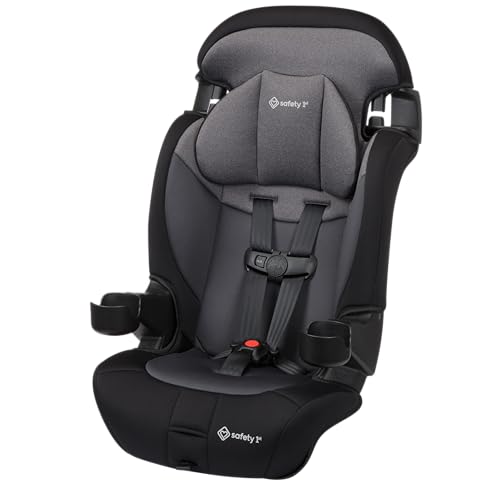
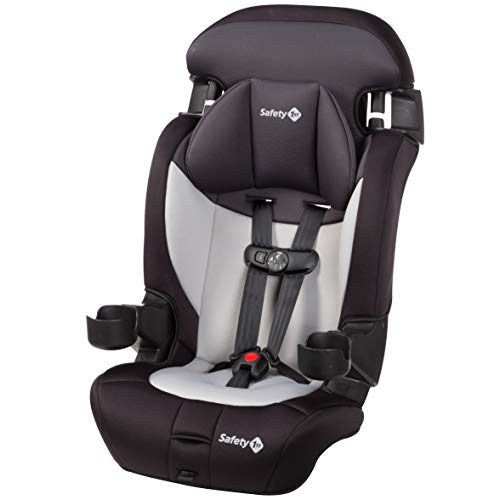
High Back Booster Car Seat with Harness: The Complete Buying Guide
Understand how harness boosters bridge the gap between a convertible car seat and a seat belt. Learn what to look for, how to install one correctly, and how to know when your child is ready for each stage.
A high back booster car seat with harness is one of the most practical long-term investments you can make in your child's travel safety. It combines the tall, supportive backrest of a booster with the secure restraint of an integrated harness, giving growing toddlers and preschoolers a safe, comfortable ride before they eventually transition to a standard vehicle seat belt.
If you are researching this category, you likely already know you need a forward-facing seat with a harness, but you want to understand the differences between models before committing. This guide explains how harness boosters work, what specifications matter, how they compare across market tiers, and how to install and use one correctly.
How a Harness Booster Works
Unlike a standard backless booster, which relies entirely on the vehicle's lap and shoulder belt, a harness booster includes its own internal five-point harness. The harness distributes crash forces across the strongest parts of a child's body: the shoulders and hips. The high backrest provides head and neck support, helps keep the shoulder belt properly positioned when the seat is later used in booster mode, and can improve comfort on longer journeys.
Most harness boosters are forward-facing only and are designed for children who have outgrown the rear-facing limits of their convertible seat. The seat is anchored to the vehicle either with the seat belt or with LATCH connectors, depending on the model and the installation method recommended by the manufacturer.
Because the harness booster can be used for several years — first with the harness, then as a belt-positioning booster — it is often described as a convertible high back booster or a booster that converts to backless when the backrest is removable. The exact configuration depends on the model.
Why Choose a High Back Booster with Harness
Parents and caregivers choose harness boosters for several reasons. The most common is extended harnessing: a five-point harness keeps a child securely positioned far longer than a seat belt alone, which is especially valuable for active toddlers who may unbuckle or slump in a belt-positioning booster.
Another advantage is the structured backrest. It provides side impact protection, head support for sleeping children, and a defined shoulder-belt path when the seat is eventually used in booster mode. Many models also offer adjustable headrests and harness heights, so the seat grows with your child through multiple stages.
For families who want a single seat that covers forward-facing harness use and later booster use, a harness booster reduces the number of seats you need to purchase over time. If you are comparing this category against other options, our guide to high back booster seats with a five-point harness breaks down the specific features to prioritize.
Key Specifications to Evaluate
Before comparing models, it helps to understand the specifications that determine whether a seat is suitable for your child and your vehicle. Use the checklist below as a framework for evaluating any harness booster you consider.
- Harness weight and height limits: Every harness booster has a maximum weight and height for harness mode. Confirm that your child fits comfortably within those limits before purchase.
- Booster-mode limits: If the seat converts to a belt-positioning booster, check the minimum and maximum limits for that mode as well, including the minimum age and weight.
- Five-point harness adjustment: Look for a no-rethread or easy-adjust harness system, which simplifies moving the harness height as your child grows.
- Installation method: Decide whether you prefer a seat belt installation or LATCH connectors. Many models support both; some include a LATCH system for added stability.
- Headrest and backrest adjustability: An adjustable headrest supports proper head positioning and extends the usable life of the seat.
- Side impact protection: Deep side wings and energy-absorbing foam add protection in side collisions.
- Cup holders and storage: A cup holder is a practical convenience for longer trips.
- Vehicle fit: Confirm the seat fits your vehicle's seat depth, headrest, and seat belt geometry before installing.
Comparing Harness Boosters Across Market Tiers
Harness boosters are available across several market tiers. The table below summarizes how features typically differ between tiers. Use it to match a tier to your priorities rather than to compare specific models.
| Tier | Typical Harness Features | Adjustability | Best For |
|---|---|---|---|
| Entry-Level | Standard five-point harness with manual rethread height adjustment | Basic headrest and harness height settings | Families who need a dependable harness booster for a single stage of growth |
| Mid-Range | No-rethread harness, reinforced side wings, often includes LATCH | Multi-position headrest and harness height | Families who want easier adjustments and extended harness use across growth stages |
| Premium | Premium padding, deep side impact protection, quick-adjust harness, LATCH with easy-release connectors | Wide headrest range and fine harness height increments | Families who prioritize comfort, installation convenience, and long-term use across multiple children |
Feature Deep Dive
Harness System and Adjustment
The harness is the defining feature of this seat category. A well-designed five-point harness includes two shoulder straps, two hip straps, and a crotch buckle. The chest clip should sit at armpit level, and the harness should be snug enough that you cannot pinch a fold in the webbing.
No-rethread harness systems let you raise or lower the harness height by moving the headrest or a lever, rather than rethreading the straps through slots in the shell. This makes growth adjustments faster and less error-prone. Mid-range and premium models are more likely to include this feature.
Height and Weight Limits
Height and weight limits are the most important numbers on the seat label. Harness mode limits are usually lower than booster mode limits, and the two should not be confused. Our guides to height and weight requirements for high back boosters and booster weight requirements explain how to read these limits and why they matter.
Some models offer particularly generous harness height limits, which is useful for taller children who are not yet mature enough for a seat belt. If extended harnessing is a priority, compare the harness height range carefully.
Installation and LATCH
In harness mode, the seat must be installed tightly — typically with no more than one inch of movement at the belt path. LATCH connectors can simplify installation and help keep the seat stable when it is unoccupied. However, LATCH is not a substitute for a tight installation, and some vehicles restrict LATCH use for heavier children. Always follow both the car seat manual and your vehicle owner's manual.
For a closer look at how LATCH changes installation, see our overview of harness boosters with LATCH systems and high back boosters with LATCH.
Head Support and Side Impact Protection
A high backrest is not just about comfort. Deep side wings and energy-absorbing materials help protect the head and torso in a side collision. An adjustable headrest should position the top of the child's head at or below the top of the seat shell, per the manufacturer's instructions, and should never push the child's head forward.
Five-Point Harness
Distributes crash forces across shoulders and hips, keeping the child properly positioned for the entire ride.
Adjustable Headrest
Grows with your child and supports correct head positioning for comfort and safety.
LATCH Connectors
Simplify installation and keep the seat stable when unoccupied, where vehicle and seat allow.
Side Impact Wings
Deep side wings and energy-absorbing foam add protection in side collisions.
Booster Conversion
Many models convert to a belt-positioning booster, extending the seat's usable life.
Cup Holder
A convenient addition for longer journeys and everyday errands.
How to Install a Harness Booster Correctly
Correct installation is essential for the seat to perform as designed. Follow the manufacturer's instructions for your specific model, and use the steps below as a general checklist.
- Read both manuals. Review the car seat manual and your vehicle owner's manual for installation rules, LATCH limits, and seat belt routing.
- Choose the right seating position. The center rear seat is often recommended when it allows a tight installation, but check your vehicle manual for any restrictions.
- Route the belt or LATCH correctly. Use the designated belt path for the mode you are using. Do not route the vehicle belt over the harness or the child.
- Tighten the installation. The seat should move no more than one inch at the belt path when checked at the belt path.
- Adjust the harness. Set the harness height so the straps are at or just below the child's shoulders in harness mode, per the manual. Buckle and tighten until snug, with the chest clip at armpit level.
- Check the fit. The child should sit all the way back against the seat, with the harness flat and untwisted.
If you are unsure whether your installation is correct, a certified child passenger safety technician can check it for you. Many communities offer free inspection events.
When to Move From Harness to Booster Mode
Transitioning out of the harness is a milestone that should be based on the seat's limits and your child's maturity, not on age alone. Move to booster mode only when your child has reached the booster-mode minimum weight and height, fits the seat correctly, and can sit upright without slouching for the entire ride.
Before transitioning, confirm that the vehicle's lap and shoulder belt fit your child properly: the lap belt should lie low across the hips and the shoulder belt should cross the center of the shoulder and chest. If the belt does not fit well, keep using the harness. Our guide to high back booster seat recommendations and highest-rated high back booster seats can help you compare models with strong harness and booster-mode performance.
Safety Reminders
- Never use a harness booster in a rear-facing position unless the manufacturer explicitly permits it — most are forward-facing only.
- Replace a seat that has been in a moderate or severe crash, per the manufacturer's guidance.
- Check the seat for recalls and expiration dates. Register your seat so you receive safety notices.
- Do not add aftermarket products that were not supplied with the seat, as they can interfere with the harness fit.
- Keep the harness snug and the chest clip at armpit level on every trip.
Frequently Asked Questions
What is the difference between a harness booster and a convertible car seat?
Can I use LATCH with a harness booster?
How long can my child stay in the harness?
Do harness boosters expire?
Is a high back booster with harness safe for a 3-year-old?
Ready to Compare Harness Booster Options?
Explore our curated selection of high back boosters with harness features, including models with LATCH, no-rethread harnesses, and convertible designs.
View Recommended Products