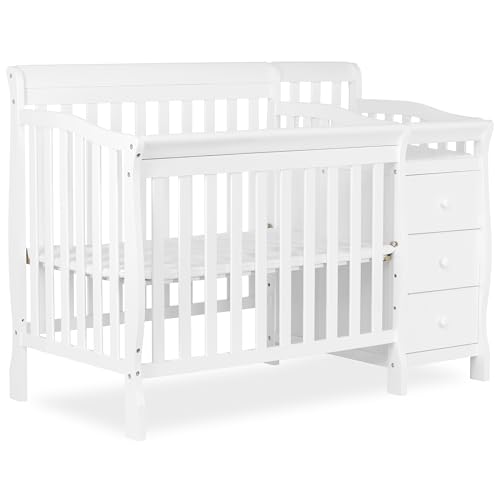
Crib with Changing Table: The Complete Buying Guide for Parents
Streamline your nursery with a smart two-in-one solution. Learn how to choose a crib with changing table that fits your space, budget, and lifestyle—without compromising safety or comfort.
Explore the GuideWhy a Crib with Changing Table? For new parents, nursery space is precious. A combined crib and changing table unit keeps essentials within arm's reach, reduces middle-of-the-night trips across the room, and creates a cohesive, organized space. This guide walks you through everything you need to know before making a purchase decision.
Key Benefits of a Combined Unit
A crib with changing table is more than a space-saving trick—it's a functional cornerstone of an efficient nursery. Here's why parents gravitate toward this design:
- Space Efficiency: Combining two essential furniture pieces into one footprint frees up floor space for play, storage, or a comfortable nursery chair.
- Convenience: Middle-of-the-night diaper changes stay within arm's reach of the crib, reducing disruption for both baby and parents.
- Organizational Harmony: Many models include built-in drawers or shelving, keeping diapers, wipes, and clothing organized in one zone.
- Cohesive Design: A single unit creates a unified look, simplifying your nursery decor decisions.
- Long-Term Value: Many convertible crib with changing table designs transition into toddler beds or daybeds, extending the usable life of your investment.
Types of Crib with Changing Table Setups
Not all combined units are created equal. Understanding the main configurations helps you match the product to your room layout and parenting style.
1. Attached Side Unit
The changing table is built directly onto the side of the crib. This is the most common configuration and works well in rectangular rooms where the unit can sit against a wall. Look for models described as crib with changing table on left side if your room flow requires a specific orientation.
2. Crib and Changing Table Set
Some manufacturers sell a matching crib and changing table set as two separate pieces designed to sit side by side. This offers flexibility—you can separate them later or rearrange as your needs change. A convertible crib and changing table set adds the benefit of long-term adaptability.
3. Crib with Changing Table and Drawers
For maximum storage, look for a crib with changing table and drawers. These units typically feature a full dresser beneath the changing surface, replacing the need for a separate dresser. The crib with attached changing table and drawers style is ideal for smaller nurseries where every inch counts.
4. Crib with Storage and Changing Table
If you prefer open shelving or a mix of drawers and cubbies, a crib with storage and changing table offers flexible organization. These models often include adjustable shelves that can be reconfigured as your baby grows.
5. Convertible and Long-Term Options
A convertible crib with changing table and drawers is the top-tier choice for families planning for the long haul. These units often convert from crib to toddler bed to daybed, with the changing table portion sometimes detaching for use as a standalone dresser. For a deeper dive into conversion options, see our convertible crib guide.
Safety Standards You Must Verify
Safety is non-negotiable when it comes to infant sleep and changing surfaces. Before purchasing any crib with changing table, confirm the following:
- Crib Safety Certification: In the United States, cribs must meet CPSC and ASTM standards. Look for a Juvenile Products Manufacturers Association (JPMA) certification seal.
- Sturdy Changing Surface: The changing area should have raised edges or a contoured pad to prevent rolling. A contoured changing table pad adds an extra layer of security.
- Secure Attachment: If the changing table is a separate piece, ensure it attaches firmly to the crib or wall as specified by the manufacturer.
- Non-Toxic Finishes: Choose units with low-VOC or water-based finishes, especially if your baby will be in close contact with the surfaces.
- Stable Base: The unit should have a wide, stable base with no wobble. Avoid models with sharp corners or exposed hardware.
- Weight Limits: Check the manufacturer's weight limits for both the crib and the changing surface. Exceeding these limits compromises safety.
For a comprehensive look at crib safety features, see our guide on crib with adjustable mattress height, which discusses how height adjustment supports safe sleep as your baby grows.
Space Planning and Layout Tips
Before you commit to a model, measure your nursery carefully. A crib with changing table is a substantial piece of furniture, and proper placement makes all the difference.
Measure Twice, Buy Once
- Measure the wall where the unit will sit, including door swings and window clearances.
- Leave at least 24 inches of clearance around the crib for safe access and airflow.
- Ensure the changing surface is at a comfortable height for the primary caregiver—typically around waist level.
- Consider the traffic flow: you'll want a clear path from the crib to the door for nighttime feedings and emergency exits.
Room Layout Considerations
If your nursery is compact, a crib with mattress and changing table combo that includes a standard crib mattress saves you from sourcing these items separately. Place the unit away from heating vents, windows with direct sunlight, and any cords from blinds or monitors.
For rooms where you need to maximize every square foot, consider pairing a compact unit with a comfortable mattress for pack and play as a secondary sleep option in other rooms.
Features That Matter in Daily Use
The difference between a functional unit and a frustrating one often comes down to small design details. Here's what to prioritize:
Changing Surface Depth and Height
A deeper changing surface with raised sides keeps wipes, diapers, and creams contained. The height should allow you to stand comfortably without bending—this matters for postpartum recovery and long-term back health.
Storage Configuration
Drawers with smooth-glide hardware and soft-close mechanisms are worth the upgrade. Open shelves are convenient for frequently used items but can look cluttered. Many parents find a mix works best: drawers for clothing and bulk supplies, open shelves for diapers and wipes.
Crib Mattress Support
Look for a crib with a sturdy mattress support platform. Adjustable mattress height is a major plus—it allows you to lower the mattress as your baby learns to sit and stand. Our guide to crib mattresses explains how mattress choice affects the overall performance of your crib.
Ease of Cleaning
Spills and blowouts are inevitable. Choose surfaces that wipe clean easily, and avoid fabrics that require special care. Removable changing pads with washable covers are a practical choice.
Mobility and Assembly
Some units include casters for easy repositioning. If you plan to move the crib between rooms, consider a portable crib as a secondary option. Most full-size crib with changing table units are stationary and require two adults for assembly.
Materials and Build Quality
The materials used in your crib with changing table affect durability, safety, and aesthetics. Here's how to evaluate quality across tiers:
- Entry-Level Tier: Typically constructed with engineered wood or medium-density fiberboard (MDF) with laminate finishes. These units are functional and meet safety standards but may show wear sooner under heavy use.
- Mid-Range Tier: Solid wood construction (pine, rubberwood) with reinforced joinery. These offer a good balance of durability and design flexibility, often with better hardware and drawer mechanisms.
- Premium Tier: Hardwoods like maple or beech with dovetail joinery, high-quality glides, and non-toxic finishes. These units are built to last through multiple children and conversion stages.
- Luxury Tier: Hand-finished solid hardwood with custom details, premium soft-close hardware, and designer aesthetics. Often paired with matching convertible crib with matching dresser sets.
Regardless of tier, always verify that finishes are low-VOC and that the unit meets current safety regulations. Solid wood is generally preferred for longevity, but high-quality engineered wood can be a solid choice when constructed properly.
Transitioning Through Growth Stages
One of the strongest arguments for a convertible unit is its ability to adapt as your child grows. Here's what to expect:
Newborn to Sitting (0–6 Months)
Use the highest mattress setting for easy access. The changing table is at its most useful during this phase—you'll use it dozens of times per day. Keep diapers, wipes, and a change of clothes within arm's reach in the built-in storage.
Sitting to Standing (6–12 Months)
Lower the mattress to the middle or lowest setting as your baby begins to pull up. The changing table may become less central as your baby becomes more mobile, but it remains useful for quick changes and post-bath routines.
Toddler Years (12–24 Months)
Convert the crib to a toddler bed using a convertible crib conversion kit. The changing table portion can often be detached and used as a standalone dresser or repurposed in another room.
Beyond the Nursery
Many convertible cribs with conversion kits transition into full-size beds or daybeds, making them a long-term investment. If you're planning for multiple children, a convertible crib and changing table set offers the flexibility to reconfigure as your family grows.
Frequently Asked Questions
Is a crib with changing table safe for newborns?
Yes, provided the unit meets CPSC and ASTM safety standards. Always use the changing surface according to the manufacturer's instructions, never leave a baby unattended on the changing table, and ensure the crib portion is set up for safe sleep (firm mattress, no loose bedding).
How long can I use a crib with changing table?
The changing table portion is typically used from newborn through the toddler years. The crib portion can last until your child is ready for a toddler bed (around 18–24 months), or longer if you convert it to a daybed or full-size bed with a conversion kit.
Do I need a separate dresser if I buy a crib with changing table and drawers?
Not necessarily. A crib with changing table and dresser provides ample storage for clothing, diapers, and bedding. However, many parents still appreciate a separate dresser for long-term use as the child grows.
What mattress size fits a crib with changing table?
Most crib with changing table units use a standard full-size crib mattress (approximately 28 by 52 inches). Always check the manufacturer's specifications to ensure proper fit—a mattress that is too small creates dangerous gaps.
Can I detach the changing table from the crib?
Some models allow the changing table to detach for use as a standalone dresser, while others are permanently attached. If flexibility is important to you, look for a crib with changing table and drawers that specifies a detachable design.
How do I clean and maintain a crib with changing table?
Wipe surfaces with a damp cloth and mild soap. Avoid harsh chemicals that can damage finishes or leave residue near your baby. Remove and wash changing pad covers regularly. Check hardware and fasteners monthly to ensure everything remains tight and secure.
Ready to Choose Your Crib with Changing Table?
A well-chosen crib with changing table simplifies nursery life and gives you more time to focus on your baby. By prioritizing safety, measuring your space, and understanding the features that matter most, you'll make a confident decision that serves your family for years.
Explore our recommended products below, curated to help you compare options across tiers and configurations.