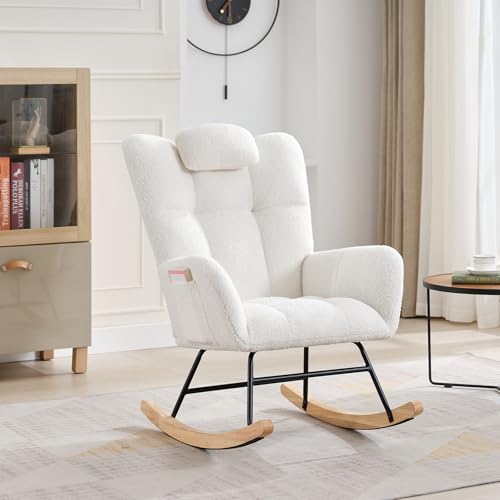
Comfortable Nursery Chair: The Complete Buying Guide
Learn how to choose a nursery chair that supports long feeding sessions, late-night soothing, and everyday relaxation. Compare gliders, recliners, swivel chairs, and materials with confidence.
Explore the GuideWhy a nursery chair matters: A well-chosen chair becomes the quiet center of the nursery. It is where you feed, burp, read, and settle your baby back to sleep. Getting the right chair reduces back strain, improves posture, and makes those middle-of-the-night moments far more manageable. This guide walks you through every decision factor so you can pick a chair that fits your body, your room, and your routine.
What Makes a Nursery Chair Truly Comfortable?
Comfort is not only about soft cushioning. A genuinely comfortable nursery chair balances ergonomic support, motion quality, and fabric durability. Parents who spend hours in the chair each day benefit most from these five characteristics:
- Lumbar and neck support: A high backrest that reaches the base of your neck keeps your posture steady during feeding. Look for built-in lumbar curves rather than flat backs.
- Padded armrests at the right height: Armrests should let your elbows rest at roughly 90 degrees while holding the baby. Too high causes shoulder tension; too low strains the wrists.
- Quiet, smooth motion: A glider or recliner with sealed bearings and a soft glide mechanism prevents squeaks that wake a drowsy baby.
- Seat depth that fits your height: Shorter parents need a shallower seat (around 19–21 inches) so their feet stay flat; taller parents need more depth for thigh support.
- Breathable, stain-resistant upholstery: Performance fabrics keep the chair hygienic and easy to maintain through spit-up, snacks, and everyday wear.
Glider vs. Recliner vs. Swivel Chair: Which Type Fits Your Nursery?
Each chair type serves a slightly different routine. Understanding the trade-offs helps you match the chair to your room layout and your baby's sleep habits.
Gliders
Gliders move forward and back on a fixed track, creating a smooth, controlled motion. They are excellent for calming babies because the movement is predictable and quiet. Many gliders include a locking mechanism so the chair stays still when you stand up. They suit compact nurseries well, especially when paired with an ottoman that glides in sync. If you want a chair that doubles as a reading seat later, a nursery recliner glider swivel chair combines three motions in one frame.
Recliners
Recliners offer the deepest relaxation and are ideal for parents who want to nap during night feeds. A push-back or lever recliner lets you lean back without moving the chair across the floor. The trade-off is footprint: recliners need clearance behind them, so measure your room before committing. High-end recliners often include USB ports and cooling gel cushions, which are useful during long sessions.
Swivel Chairs
Swivel chairs rotate 360 degrees, making it easy to turn toward the crib, the changing table, or a visitor without standing up. They work best in open floor plans and rooms with multiple activity zones. Many swivel chairs also rock or glide, giving you the best of both worlds. For a full comparison of motion types, see our guide on the nursery recliner glider swivel chair.
Comparing Nursery Chair Tiers
To help you compare options without focusing on numbers, we use a universal tier system. Each tier reflects the chair's position in the market relative to construction quality, motion engineering, and material grade.
| Tier | Best For | Typical Characteristics |
|---|---|---|
| Entry-level | Short-term use, guest nurseries, secondary rooms | Basic glider motion, standard foam, simple fabric covers, lighter frame |
| Mid-range | Everyday feeding and soothing for most families | Smoother glide mechanism, denser cushioning, performance fabric options, locking recline |
| Premium | Long feeding sessions, taller parents, multi-use rooms | Reinforced hardwood frame, pocket-spring or gel seat, quiet sealed bearings, swivel and recline combination |
| Luxury | Design-led nurseries, extended daily use, heirloom intent | Hand-finished upholstery, custom motion tuning, integrated charging, commercial-grade foam density |
Mid-range chairs usually offer the strongest balance for most families. They include the motion quality and cushioning that make daily use comfortable, without the specialized finishes of the luxury tier. If you plan to use the chair for years in a living room or reading nook after the nursery stage, moving up to premium tier is a worthwhile long-term investment.
Upholstery and Frame Materials Explained
The fabric and frame determine how the chair ages. Nursery chairs face spills, sunlight, and constant use, so material choice matters as much as cushioning.
Fabric Options
- Performance microfiber: Top-tier for stain resistance. Wipe-clean surface, soft hand feel, and strong color retention.
- Woven polyester blends: Balanced tier choice with good durability and a wide range of colors.
- Linen and cotton: Premium feel and breathability, but require more careful cleaning and fade faster in direct sun.
- Leather and leather alternatives: Easiest to wipe down and very durable, but can feel cool in winter and warmer in summer.
- Velvet and boucle: Luxury visual texture, but collect lint and need gentle maintenance.
Frame Construction
Solid hardwood frames (kiln-dried oak, maple, or beech) resist warping and hold screws tightly over years of motion. Engineered wood and metal frames can perform well in entry-level and mid-range chairs, but check for reinforced joints at the glider mechanism, which is the highest-stress point. A heavy-duty frame with sealed bearings is the clearest sign of durable construction.
Ergonomics for Feeding and Soothing
Nursing and bottle-feeding postures put unique pressure on the lower back, neck, and wrists. A chair designed with these pressures in mind makes a measurable difference:
- Seat height and foot support: Your feet should rest flat on the floor or on a gliding ottoman. Dangling feet reduce circulation during long feeds.
- Armrest padding: Firm padding prevents the arm from sinking, which keeps the baby at a stable height for latching and bottle feeding.
- Headrest angle: A slight backward tilt supports the neck while you look down at the baby. Too upright causes neck fatigue.
- Motion control: A lockable glide lets you stop the motion instantly when the baby falls asleep, avoiding the “transfer wobble” that wakes them.
Space Planning and Room Layout
A nursery chair needs breathing room to function safely. Use these measurements as a planning baseline:
- Behind the chair: 12–18 inches for recline or glide clearance.
- Side clearance: 24 inches for standing up while holding the baby.
- Ottoman pairing: A gliding ottoman adds comfort but needs roughly the same footprint as the chair seat.
- Nearby surface: Place a small side table within arm's reach for water, burp cloths, and a phone charger.
For small rooms, swivel chairs save space because they rotate toward the crib instead of requiring a walk-around path. If you are also organizing the rest of the room, our storage solutions guide covers shelving and basket systems that keep the nursery uncluttered around the chair.
Safety and Durability Checks Before Buying
Nursery chairs are not regulated like cribs or car seats, so a careful inspection is essential:
- Stability test: Push gently on the backrest. The chair should not tip or wobble.
- Mechanism guards: The gliding or reclining mechanism should be enclosed so fingers and pet paws cannot reach moving parts.
- Fabric certifications: Look for low-emission foam and flame-retardant-free upholstery where available, especially in small, poorly ventilated rooms.
- Weight capacity: Confirm the chair supports at least your body weight plus the baby and any feeding pillows.
- Assembly quality: Check that all bolts are metal, not plastic, and that joints are reinforced.
Matching the Chair to Your Nursery Style
The chair is often the largest upholstered piece in the nursery, so it shapes the room's visual tone. Neutral tones in performance fabric blend into many design directions. If you are building a theme, our guides on gender-neutral nursery themes and boho nursery styling show how chair color, wood tone, and textile texture work together. A mid-tone chair with a light wood frame fits both calm minimalist rooms and layered, textured spaces.
Frequently Asked Questions
What type of nursery chair is most comfortable for long feeding sessions?
A glider recliner with a high back, padded armrests, and a quiet glide mechanism is generally considered the most comfortable option for extended feeding and soothing sessions. The combination of lumbar support and controlled motion reduces fatigue during night feeds.
Should I choose a glider or a rocking chair for the nursery?
Gliders offer a smoother, more controlled motion that is easier on floors and safer for sleeping babies. Rocking chairs provide a traditional back-and-forth motion but require more floor space and caution when standing up.
What upholstery material is best for a nursery chair?
Performance fabrics such as microfiber, woven polyester, and leather alternatives are top-tier choices because they resist stains and are easy to wipe clean. Linen and velvet offer a premium feel but need more careful maintenance.
How much space should I leave around a nursery chair?
Allow at least 12 to 18 inches behind the chair for reclining or gliding, and keep a clear path of 24 inches on the side for standing up while holding the baby.
Related Nursery and Baby Gear Guides
Once your chair is in place, these guides help you complete the rest of the nursery and daily routine: