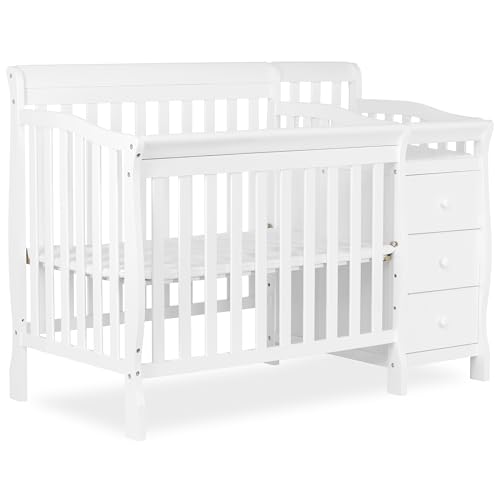
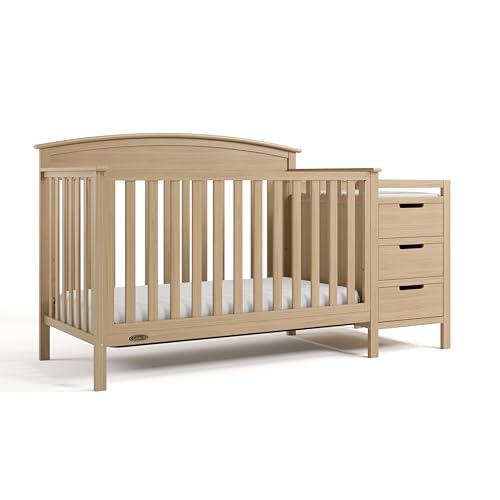
Convertible Crib with Changing Table: The Complete Guide
Everything you need to know about choosing a convertible crib with an integrated changing table — from conversion modes and safety standards to storage options and long-term nursery planning.
Why this guide matters: A convertible crib with changing table is one of the most significant nursery investments you will make. This guide helps you understand how these all-in-one units work, what to look for in terms of safety and durability, and how to choose a model that grows with your child — so you can make an informed decision before you buy.
What Is a Convertible Crib with Changing Table?
A convertible crib with changing table is a multi-function nursery furniture piece that combines a full-size crib with an attached changing station, and often includes built-in storage such as drawers or shelves. These units are designed to serve your family through multiple stages of your child's development — from newborn and infant months through toddler years and beyond.
The "convertible" aspect refers to the crib's ability to transform into different bed configurations as your child grows. Most models convert from a standard crib into a toddler bed, a daybed, and sometimes a full-size bed with the addition of a conversion kit. The changing table attachment typically sits alongside or extends from the crib frame, creating a cohesive, space-efficient nursery centerpiece.
For parents working with limited floor space, these integrated units offer an elegant solution. Rather than purchasing a separate crib, changing table, and dresser, a single convertible crib with changing table consolidates multiple functions into one footprint. If you are considering a coordinated nursery set, you may also want to explore a convertible crib and changing table set that includes matching pieces for a unified look.
Why Choose an All-in-One Convertible Crib and Changing Table?
Parents are drawn to these units for several practical reasons. Understanding the benefits helps you determine whether this type of furniture aligns with your nursery layout and long-term plans.
Advantages
- Consolidates multiple pieces of furniture into one footprint, freeing up floor space in smaller nurseries
- Provides a dedicated changing surface at a comfortable height, reducing back strain during diaper changes
- Converts through multiple stages (crib to toddler bed to daybed), delivering long-term utility
- Matching components create a cohesive, coordinated nursery aesthetic
- Built-in drawers and shelves keep diapers, wipes, and clothing within arm's reach
- Reduces the number of separate purchases, simplifying the nursery setup process
Considerations
- Once the changing table attachment is removed during conversion, it may leave a visible gap or require a conversion kit
- Heavier and more difficult to move than standalone cribs
- Replacement parts for discontinued models can be challenging to source
- Some entry-level models use engineered wood that may not hold up as well as solid wood over time
- May not fit through narrow doorways or around tight stairwells during delivery or relocation
If you are weighing the merits of a combined unit against a traditional setup, our crib and changing table set guide explores the trade-offs in greater detail. For those who prefer a more modular approach, a convertible crib with changing table and drawers offers added storage without sacrificing the convertible functionality.
Key Features to Evaluate Before You Buy
Not all convertible cribs with changing tables are built to the same standard. The following features separate well-engineered units from basic models, and understanding them helps you match a product to your household's needs.
1. Conversion Modes and Kits
The hallmark of any convertible crib is its ability to transform. Most models support at least three configurations: standard crib, toddler bed (with the toddler rail), and daybed (with one side removed). Some high-end tier models extend to a full-size bed with a separate conversion kit. Before purchasing, confirm which conversion kits are included in the box and which are sold separately. A convertible crib conversion kit is often required for the full-size bed stage, and availability can vary by manufacturer.
For a deeper dive into how these conversions work across different product lines, see our convertible crib guide.
2. Mattress Height Adjustability
A crib with adjustable mattress height allows you to lower the mattress as your baby learns to sit and stand, reducing the risk of climbing out. Most quality cribs offer three to four height positions. This feature is especially important for newborns, where a higher mattress position makes it easier to place your baby down without straining your back. Look for a crib with adjustable mattress height if you plan to use the crib from day one through toddlerhood.
3. Changing Table Attachment Design
The changing table portion can be configured in several ways. Some units feature a changing station that sits directly on top of the crib frame, while others extend to the side as a separate wing. A crib with changing table on left side works well in rooms where the crib's right side faces a wall or doorway. Consider the changing pad dimensions — most standard pads measure approximately 16 by 32 inches, and a contoured changing table pad provides additional security for smaller infants.
4. Storage and Organization
Drawers, shelves, and cubbies built into the changing station or underneath the crib keep essentials organized. Models with closed drawers protect contents from dust and curious toddlers, while open shelves offer quick access during changes. A crib with storage and changing table is particularly useful for parents who want to minimize clutter and keep diaper supplies within reach.
5. Material and Build Quality
Solid wood construction (pine, oak, maple, or birch) offers the most durable and long-lasting option. Engineered wood and MDF are common in entry-level and mid-range models and can perform well when properly finished, but they are more susceptible to damage from moisture and heavy use. Check for non-toxic finishes and GREENGUARD Gold certification, which indicates low chemical emissions — an important consideration for nursery environments.
Understanding Product Tiers
Convertible cribs with changing tables fall into distinct market tiers. Each tier reflects a different balance of materials, conversion flexibility, and finish quality. Use this framework to align your expectations with what each tier delivers.
| Tier | Typical Materials | Conversion Range | Best For |
|---|---|---|---|
| Entry-Level | Engineered wood with laminate finish | Crib, toddler bed, daybed | Parents seeking essential functionality for a single child |
| Mid-Range | Solid wood with engineered panels; non-toxic finish | Crib, toddler bed, daybed, full-size bed (kit may be separate) | Families planning to use the unit through multiple stages and potentially for multiple children |
| Premium | Solid hardwood, reinforced joinery, GREENGUARD Gold certified | Full conversion range with all kits included | Parents prioritizing longevity, safety certifications, and design consistency |
| Luxury | Hand-finished hardwood, custom hardware, artisan detailing | Full conversion range plus designer customization | Those seeking a statement nursery piece with heirloom-level build quality |
As a general rule, mid-range and premium models offer smoother conversion mechanisms and more consistent finish quality than entry-level units. The jump from premium to luxury tier is primarily aesthetic and brand-driven; the functional differences are less pronounced than the step from entry-level to mid-range.
Safety Standards and Compliance
Safety is non-negotiable when it comes to infant sleep and changing furniture. Before purchasing any convertible crib with changing table, verify compliance with the following standards:
- CPSC and ASTM certification — Cribs sold in the United States must meet Consumer Product Safety Commission and ASTM International standards. Look for a label or documentation confirming compliance.
- JPMA certification — The Juvenile Products Manufacturers Association seal indicates the product has been independently tested to meet safety standards.
- Slat spacing — Crib slats should be no more than 2 3/8 inches apart to prevent head entrapment.
- Sturdy changing surface — The changing area should have raised edges on all four sides and a secure attachment point for a safety strap or contoured pad.
- Non-toxic finishes — Ensure paints and finishes are lead-free and low-VOC. GREENGUARD Gold certification is a reliable indicator.
- Stability testing — The unit should remain stable when weight is applied to the changing table edge and when the crib is subjected to climbing or leaning.
- Recall awareness — Check the CPSC recall database for any model you are considering before finalizing your purchase.
Always assemble the crib according to the manufacturer's instructions and periodically check that all hardware remains tight. Never place the changing table near a window, heater, or hanging cords.
Integrating a Convertible Crib with Changing Table into Your Nursery
Placement and surrounding furniture choices matter as much as the crib itself. A well-planned nursery supports safe sleep, convenient diaper changes, and a calm environment for both baby and parents.
Room Layout Considerations
Place the crib away from windows, doors, and heating vents. The changing table should be positioned so you can reach diapers, wipes, and a fresh outfit without stepping away from your baby — even for a moment. If your unit has the changing station on one side, orient it toward the center of the room or toward a wall where you can store supplies on a nearby shelf or within the unit's drawers.
For additional nursery comfort, consider pairing the crib setup with a comfortable nursery chair for feeding and soothing sessions. The chair should be positioned within arm's reach of the crib but outside the immediate changing area to avoid clutter.
Mattress Selection
A convertible crib requires a standard full-size crib mattress (approximately 28 by 52 inches). Choose a firm, flat mattress that fits snugly with no gaps larger than two fingers' width between the mattress and crib sides. A convertible crib mattress should be durable enough to support your child through the toddler bed stage. For additional guidance, see our crib mattress resource.
Keep the crib free of pillows, blankets, bumpers, and stuffed animals during the infant stage. A fitted crib sheet is the only bedding required for safe sleep.
Changing Station Essentials
Stock the changing area with diapers, wipes, diaper cream, a spare outfit, and burp cloths. Keep a small laundry bin nearby for soiled items. A diaper pail positioned within arm's reach of the changing station reduces the need to leave your baby unattended. If your unit does not include a built-in changing pad, select a contoured pad with a safety strap and non-skid base.
Coordinating Furniture
If you prefer a matched nursery set, a convertible crib with matching dresser creates visual continuity. Some parents also choose a crib with changing table and dresser configuration, which combines all three functions into one integrated unit — an efficient choice for compact rooms.
Conversion Timeline: What to Expect at Each Stage
Understanding when and how to convert your crib helps you plan ahead and ensures you have the necessary kits on hand when the time comes.
| Stage | Approximate Age | Configuration | What Changes |
|---|---|---|---|
| Newborn / Infant | 0–12 months | Standard crib with high mattress position | Changing table in active use; mattress at highest setting for easy placement |
| Older Infant | 6–12 months | Crib with lowered mattress | Lower mattress as baby begins to sit and pull up; changing table still in use |
| Toddler | 18 months–3 years | Toddler bed (with toddler rail) | Changing table attachment removed or repurposed; toddler rail installed |
| Preschool | 3–5 years | Daybed (one side removed) | Open-sided bed for independent sleep; conversion kit for full-size bed may be purchased |
| Older Child | 5+ years | Full-size bed (with conversion kit) | Requires full-size conversion kit and standard full mattress; changing table long removed |
Note that the changing table component is typically designed for use during the infant and early toddler stages. Once your child exceeds the weight limit for the changing surface (commonly around 30 pounds, though this varies by model), discontinue use of the changing table and convert the crib to the next stage.
Space-Saving Strategies for Smaller Nurseries
An all-in-one convertible crib with changing table is inherently space-efficient, but a few additional strategies can help you maximize a compact nursery.
- Use vertical wall space above the changing table for floating shelves or a wall-mounted organizer
- Choose a unit with drawers rather than open shelving to contain clutter visually
- Position the crib against a wall that allows clearance for the changing table attachment on the open side
- Opt for a crib with attached changing table and drawers to eliminate the need for a separate dresser
- Keep only current-size clothing in the nursery and store outgrown items elsewhere
- Consider a portable crib as a secondary sleep space for daytime use in other rooms, reducing the need for a second full setup
If you are furnishing a very compact space, our compact baby gear guide offers additional recommendations for space-conscious families.
Final Buying Checklist
Before you commit to a convertible crib with changing table, run through this checklist to ensure the model meets your household's requirements.
- Confirm the crib meets CPSC and ASTM safety standards, and check for JPMA certification
- Verify which conversion kits are included and which must be purchased separately
- Measure your nursery space, including doorways and stairwells for delivery access
- Check the weight limit for the changing table surface and the crib mattress support
- Confirm the mattress size required (standard full-size crib mattress)
- Review the material composition and finish certifications (GREENGUARD Gold preferred)
- Ensure the changing table attachment is on the side that works with your room layout
- Check for drawer glides or shelf construction quality if storage is included
- Verify the manufacturer's warranty and parts availability for future conversions
- Read owner reviews for long-term durability and assembly experience
Frequently Asked Questions
Ready to explore your options? Browse our recommended convertible cribs with changing tables below. Each product is selected for safety compliance, build quality, and practical nursery functionality — so you can compare features side by side and choose the unit that fits your family's needs.