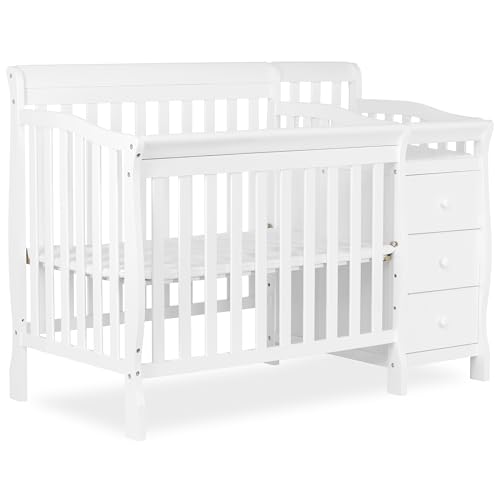
Crib with Changing Table and Drawers: The Complete Buying Guide
Everything you need to know about choosing a space-saving nursery solution that combines sleeping, diaper changes, and organized storage — safely and stylishly.
Explore Buying FactorsWhy consider a crib with changing table and drawers? A combined unit saves floor space, keeps diapering essentials within arm's reach during night changes, and reduces the number of separate furniture pieces you need to assemble. For parents in smaller homes or apartments, it can be a practical, efficient choice — provided you select a model that meets current safety standards and fits your room's dimensions.
What Is a Crib with Changing Table and Drawers?
This type of nursery furniture integrates three functions into a single footprint: a full-size crib for sleeping, an attached changing surface for diapering, and built-in drawers for clothing, blankets, or diaper supplies. Many models are convertible — the crib portion can later transform into a toddler bed, daybed, or even a full-size bed with a conversion kit. The changing table often detaches or folds away once your child outgrows diapering, extending the unit's useful life.
Compared with purchasing a standalone crib, a separate changing table pad setup, and a dresser, an all-in-one unit streamlines the nursery. However, it also means the piece is larger overall, so measuring your available floor space before ordering is essential.
Key Benefits of an All-in-One Nursery Unit
Space Efficiency
Combining three functions into one footprint frees up floor area — especially valuable in small nurseries or shared bedrooms.
Convenience During Night Changes
Diapers, wipes, and a fresh onesie are stored right beside the changing surface, minimizing midnight trips across the room.
Organized Storage
Built-in drawers keep clothing, bedding, and supplies tidy and dust-free, reducing clutter and making routines smoother.
Long-Term Use
Convertible designs extend the furniture's lifespan from infancy through the toddler and preschool years, and sometimes beyond.
Coordinated Look
A single matching piece creates a cohesive nursery aesthetic without the challenge of matching separate furniture items.
Fewer Assembly Projects
One box, one instruction manual, one assembly session — instead of coordinating a crib, a dresser, and a changing table separately.
Critical Buying Factors to Evaluate
1. Safety Standards and Certifications
This is the non-negotiable starting point. Verify that the crib portion complies with current mandatory safety standards for full-size cribs — including slat spacing, hardware integrity, and non-toxic finishes. The changing surface must have a securely attached restraint system or at least a contoured shape that helps prevent rolling. Look for models that clearly state compliance with applicable consumer safety regulations. If you are also shopping for a convertible crib separately, the same standards apply.
⚠️ Safety Reminder
Always use the changing surface only when a parent or caregiver is within arm's reach. Never leave a baby unattended on any elevated surface. Confirm that all drawer mechanisms have safety stops to prevent accidental removal, and anchor the furniture to the wall if the manufacturer provides anti-tip hardware.
2. Dimensions and Nursery Fit
Measure your room's available wall space, doorways, and clearance around the unit before purchasing. A combined crib-and-changer is wider than a standard crib alone, often spanning 55 to 75 inches depending on the configuration. Check whether the changing table sits on the left or right side — some models offer both orientations, such as a crib with changing table on left side layout. Leave at least 24 inches of clearance in front of drawers and the changing area for safe, comfortable use.
3. Adjustable Mattress Height
A crib with multiple mattress height positions lets you lower the mattress as your baby grows and begins to sit or stand. This reduces the risk of climbing out and protects your back during the newborn months when frequent lifting is needed. Look for at least three adjustable positions — a feature found on quality cribs with adjustable mattress height.
4. Drawer Quality and Capacity
Drawers should glide smoothly on metal or high-grade nylon runners, not flimsy plastic tracks. Check for dovetail or reinforced joinery, safety stops, and a weight capacity rating for each drawer. Consider how many drawers you need: two to three drawers are typical, but some models include additional storage cubbies or shelves. A crib with storage and changing table configuration often provides the most organizational flexibility.
5. Convertibility and Longevity
Most modern models convert from crib to toddler bed, and many extend further to a daybed or full-size bed with a separate conversion kit. Confirm whether the conversion kit is included or sold separately — this affects the unit's long-term usefulness. A convertible crib and changing table set generally offers the best balance of lifespan and functionality. If you plan to use the crib for multiple children, verify that replacement parts and hardware remain available.
6. Changing Surface Design
The changing area should have raised edges on all four sides to help contain accidents, and it should accommodate a standard contoured changing pad. Some models include a safety strap; others rely on the contoured shape. Check whether the changing surface is removable or folds down when not in use — a useful feature for extending the crib's usable life and reducing the unit's overall footprint once diapering ends.
7. Material and Construction
Solid wood and high-grade engineered wood with reinforced joinery offer the most durable construction. Check for non-toxic finishes and low-emission materials, especially in a room where a baby sleeps. Entry-level models may use thinner panels and particle board; mid-range and premium tiers typically use solid wood components, metal drawer glides, and more robust hardware. Heavy-duty construction matters most if you plan to convert and reuse the furniture over many years.
Comparing Tiers: What to Expect at Each Level
Rather than focusing on specific figures, it helps to understand how features scale across market tiers. The table below summarizes typical differences.
| Tier | Construction | Drawer Hardware | Convertibility | Best For |
|---|---|---|---|---|
| Essential Tier | Engineered wood panels, basic finishes | Plastic or basic nylon glides | Crib to toddler bed; kit often separate | Short-term use, secondary nursery |
| Balanced Tier | Mixed solid wood and engineered wood | Metal glides with safety stops | Crib to toddler bed and daybed | Everyday family use, first nursery |
| Top-Tier | Mostly solid wood, reinforced joinery | Full-extension metal runners | Crib to toddler, daybed, full-size bed | Long-term investment, multiple children |
| Flagship Tier | Solid hardwood, premium non-toxic finish | Soft-close, heavy-duty hardware | Full conversion suite included | Heirloom-quality, design-focused nurseries |
Note: Higher tiers generally offer smoother drawer operation, sturdier construction, and more comprehensive conversion options. The right tier depends on how long you plan to use the furniture and whether it will serve multiple children.
Pros and Cons of a Combined Crib and Changing Unit
Advantages
- Consolidates three furniture functions into one footprint
- Keeps diapering supplies organized and within reach
- Reduces the number of separate purchases and assembly tasks
- Creates a cohesive, coordinated nursery look
- Convertible models extend usability well beyond infancy
- Drawers keep clothing and bedding dust-free and tidy
Considerations
- Larger overall footprint than a standalone crib
- May be harder to rearrange in a small room
- Changing surface becomes unused after the diapering stage
- Drawer quality varies significantly across tiers
- Conversion kits for full-size beds are sometimes sold separately
- Requires careful measuring before ordering
Setting Up Your Crib with Changing Table and Drawers
- Measure and Plan the Layout Confirm the unit fits your intended wall space with adequate clearance for drawers, the changing area, and walkways. Account for door swings and window placement.
- Assemble on a Soft Surface Build the unit in the room where it will be used, or ensure doorways are wide enough to move it assembled. Follow the manufacturer's instructions precisely and use all provided hardware.
- Secure the Furniture Install any included anti-tip anchoring hardware to the wall. This is especially important for taller combined units.
- Position the Mattress at the Correct Height Start with the highest mattress setting for a newborn and lower it as your baby grows. Ensure the mattress fits snugly with no gaps at the edges.
- Set Up the Changing Surface Place a contoured changing pad on the designated surface. If a safety strap is provided, use it every time. Stock the nearby drawers with diapers, wipes, and a change of clothes.
- Test Drawers and Hardware Open and close each drawer several times to confirm smooth operation and that safety stops engage. Check that all bolts and screws are tightened before placing your baby in the crib.
Maintenance and Long-Term Care
Wipe surfaces with a mild, non-toxic cleaner and a soft cloth. Avoid abrasive products that could damage the finish. Periodically check all hardware — screws, bolts, and drawer glides — and tighten as needed, especially if the unit has been moved. If the crib converts to a larger bed later, store the unused components and conversion hardware in a labeled bag so they remain available. For the sleeping surface, pair the crib with a quality crib mattress that fits snugly, and keep a supply of crib sheets on hand for frequent changes.
Ready to Explore Your Options?
Browse our curated selection of cribs with changing tables and drawers to find the configuration that fits your nursery, your routine, and your long-term plans.
View Recommended ProductsFrequently Asked Questions
Related Nursery Furniture Guides
- Crib and changing table set — compare coordinated sets for a unified nursery look.
- Convertible crib with changing table — explore models that grow with your child.
- Crib with changing table and dresser — additional storage options for larger nurseries.
- Crib with attached changing table and drawers — a closer look at permanently attached configurations.
- Convertible crib with changing table and drawers — long-term versatility in a single unit.
- Crib with mattress and changing table — complete packages that include the sleeping surface.
- Convertible crib with matching dresser — an alternative if you prefer separate but coordinated pieces.