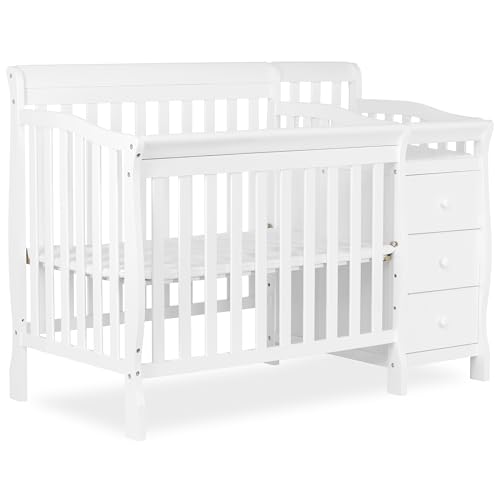
Crib with Mattress and Changing Table: The Complete Guide to Choosing the Right Nursery Combo
Everything you need to know about all-in-one crib, mattress, and changing table setups — from safety standards and sizing to layout planning and long-term versatility.
EXPLORE THE GUIDESetting up a nursery is one of the most exciting milestones for expecting parents, and the centerpiece of that space is almost always the sleeping and changing area. A crib with mattress and changing table combines three essential nursery functions into one cohesive setup, helping you make the most of your available floor space while keeping everything you need within arm's reach during those middle-of-the-night diaper changes.
Whether you are outfitting a spacious master suite nursery or a compact corner of a one-bedroom apartment, understanding how these combination units work — and what to look for before you commit — will save you time, reduce guesswork, and help you build a safer sleep environment for your baby. This guide walks you through the key considerations, compares the main configuration types, and answers the questions parents ask most often.
Why this matters: A well-planned crib and changing station reduces nighttime disruption, keeps diapering supplies organized, and supports safe sleep practices recommended by pediatric organizations. Getting the configuration right from the start also means fewer furniture changes as your child grows.
What Exactly Is a Crib with Mattress and Changing Table?
A crib with mattress and changing table is a nursery furniture arrangement — sometimes sold as a single integrated unit, sometimes as a coordinated set — that places a safe sleep surface, a supportive mattress, and a diapering station in close proximity. The three most common formats are:
- Integrated all-in-one units: A single piece of furniture where the changing area is attached directly to the crib frame, often with built-in drawers or shelving underneath.
- Coordinated sets: A crib and a separate changing table or dresser sold together as a matching set, designed to share the same finish, height, and styling.
- Modular convertible systems: A crib that later converts into a toddler bed or full-size bed, paired with a changing topper or dresser that transitions into a standalone piece once diapering days are over.
Each format has trade-offs. Integrated units maximize floor efficiency, while coordinated and modular sets tend to offer more longevity and flexibility as your child's needs change. If you are weighing space constraints, our guide to compact baby gear covers how to evaluate footprint before you buy.
Why Parents Choose a Crib and Changing Table Combo
The appeal of a combined crib and changing station goes beyond aesthetics. Here is what makes this setup practical for most families:
- Space efficiency: Combining the sleep and diapering zones frees up floor space for a rocking chair, play mat, or storage. This is especially valuable in smaller rooms.
- Convenience during night feeds: Having diapers, wipes, and a clean surface within arm's reach means fewer trips across the room during nighttime changes.
- Coordinated design: Matching finishes and heights create a pulled-together nursery look without the guesswork of mixing separate pieces.
- Organized storage: Many units include drawers, open shelves, or side pockets that keep diapering essentials, burp cloths, and spare crib sheets organized.
- Simplified shopping: Buying a set or integrated unit reduces the number of separate decisions you need to make during registry planning.
If you are building out your registry, pairing this combo with other core items — such as a comfortable nursery chair for feeding sessions — helps you create a functional room in fewer shopping trips.
Key Features to Evaluate Before You Buy
Not all crib-and-changer configurations are built the same. Use the checklist below to compare options methodically.
Crib Construction and Safety
- Adjustable mattress height settings (at least three positions is ideal)
- Slatted sides with spacing that meets current safety standards
- Solid, stable frame with no loose hardware or pinch points
- Non-toxic finish and certified low-emission materials
- Conversion capability to toddler bed or full-size bed
Mattress Considerations
- Firm, flat surface that fits snugly with no gaps at the edges
- Breathable cover material and a waterproof layer
- Dual-firmness options for infant and toddler stages
- Certified foam or innerspring construction
Changing Table Features
- Safety strap or contoured sides to prevent rolling
- Elevated edges or rails on all four sides
- Easy-to-clean, non-porous surface
- Storage drawers or open shelving for supplies
- Height that is comfortable for the primary caregiver
For a deeper look at mattress fit and firmness, our crib mattress guide explains how to verify a proper seal between mattress and frame — one of the most overlooked safety details.
Comparing Common Configurations
The table below summarizes how the most popular crib-and-changing-table setups compare across practical criteria. Note that tiers reflect relative market positioning, not absolute figures.
| Configuration | Tier Positioning | Best For | Space Efficiency | Longevity |
|---|---|---|---|---|
| Integrated all-in-one unit | Mid-range to premium | Compact nurseries | High | Moderate |
| Coordinated crib and dresser set | Essential to mid-range | Classic nursery layouts | Moderate | High |
| Convertible crib with changing topper | Mid-range to high-end | Long-term use | Moderate | Very high |
| Convertible crib with attached changer and drawers | Premium to luxury | Full-featured nurseries | High | High |
If you already know you want a setup that adapts as your child grows, a convertible crib with changing table is worth prioritizing. For maximum storage in a single footprint, explore a crib with storage and changing table configuration.
How to Plan Your Nursery Layout Around the Combo
Placement matters as much as the product itself. Follow these principles to arrange the room safely and comfortably:
- Keep the crib away from windows, cords, and wall-mounted decor. Blinds and curtain cords are a strangulation risk, and wall art can fall.
- Leave clearance on all sides of the changing area. You need room to stand, turn, and reach supplies without twisting awkwardly.
- Position the changing station near a light source that you can dim at night — a small lamp or night light is safer than overhead lighting during night changes.
- Anchor all furniture to the wall. Tip-over prevention is essential for dressers, changing tables, and any unit with drawers.
- Maintain a clear path between the crib, the chair, and the door for nighttime feedings.
For room-level inspiration and layout diagrams, our nursery layout ideas guide walks through several floor plans, including small-room configurations.
Safety Standards and Everyday Precautions
Safe sleep is non-negotiable. Regardless of which combo you choose, verify the following:
- The crib meets current mandatory safety standards for full-size or compact cribs.
- The mattress fits tightly with no more than two fingers' width of gap on any side.
- The changing surface has a safety strap and is never used with the baby unattended.
- No soft bedding, pillows, bumpers, or toys are placed in the crib.
- All hardware is tightened and checked periodically for loosening.
Reminder: Always follow the manufacturer's assembly instructions and weight limits. If a unit is recalled or shows signs of damage, discontinue use immediately.
Choosing the Right Mattress for the Crib
The mattress is the foundation of safe sleep, so give it the same attention you give the crib frame. Key points:
- Firmness: A firm surface is recommended for infants. Dual-firmness mattresses offer a softer toddler side for later.
- Fit: Measure your crib's interior dimensions before ordering. Standard full-size crib mattresses follow a common sizing convention, but compact cribs and mini cribs need matching mattresses.
- Cover: A waterproof, removable, washable cover simplifies cleanup after spit-up or diaper leaks.
- Certification: Look for third-party certifications for low emissions and material safety.
If you are also planning travel, consider how a portable option fits your routine — our guide to a comfortable mattress for pack and play covers how to keep sleep surfaces consistent when you are away from home.
Planning for Longevity: Conversion and Transition
One of the strongest arguments for a convertible combo is that it grows with your child. A crib that converts to a toddler bed — and later to a full-size bed with a conversion kit — can serve your family for years. When evaluating conversion potential, check:
- Whether the conversion kit is included or sold separately
- The specific bed sizes the crib converts into
- Whether the changing table portion can be removed or repurposed as a standalone dresser
- Availability of replacement parts and matching accessories
Our convertible crib guide explains the conversion stages in detail, and the conversion kit overview helps you confirm what is included with a given model.
Storage and Drawer Considerations
Drawers under or beside the changing area are one of the most practical features of a combo unit. When comparing storage options:
- Check drawer glide quality — metal glides with soft-close mechanisms hold up better over time.
- Confirm drawer depth is sufficient for folded clothing, diapers, and bedding.
- Look for safety stops that prevent drawers from pulling all the way out.
- Consider open shelving for frequently used items and closed drawers for clothing.
For families who want a dresser-style setup, a crib with changing table and dresser offers a balanced mix of storage and changing space. If drawer capacity is the priority, the crib with changing table and drawers configuration is designed around deeper storage.
Left-Side and Right-Side Placement Variations
Some integrated units place the changing area on a specific side of the crib. This matters for room layout: a crib with changing table on left side works well when the door or closet is on the right, keeping the changing station accessible from the main walking path. Measure your room and consider which side you will naturally approach from before choosing a fixed-orientation unit.
Crib and Changing Table Set vs. Separate Pieces
Buying a crib and changing table set simplifies coordination and often aligns heights and finishes. Separate pieces, by contrast, give you more flexibility to choose each item independently and to replace one component without replacing the other. Consider your priorities:
- Choose a set if: you want matching design, a streamlined registry, and coordinated heights.
- Choose separate pieces if: you have specific size constraints, want a particular mattress, or plan to reuse an existing dresser.
For parents who want a complete matching room, a convertible crib and changing table set combines conversion flexibility with coordinated styling.
Understanding Market Tiers
Combo units span the full range of the market. Rather than quoting figures, here is how tiers generally differ:
- Entry-level tier: Basic construction, fewer conversion options, simpler drawer hardware. Solid choice for a secondary nursery or short-term use.
- Mid-range tier: Better materials, smoother drawer glides, more mattress height positions, and often a conversion kit included.
- Premium tier: Heavier-duty frames, premium finishes, soft-close hardware, and broader conversion potential.
- Luxury tier: Flagship construction, designer finishes, and the widest feature set, often with extended warranties.
Within each tier, compare the features that matter most to your routine — storage depth, conversion stages, and mattress adjustability — rather than focusing on a single attribute.
Adding the Combo to Your Baby Registry
Because a crib-and-changer combo is a larger item, it helps to plan when and how to list it. Consider these registry strategies:
- List the crib combo early so gift-givers have time to coordinate group gifting.
- Add the mattress separately if it is not included, so the sleep surface is not overlooked.
- Include smaller supporting items: crib sheets, waterproof mattress covers, a changing pad, and diaper pail.
- Check whether the retailer offers completion discounts for remaining items after your event.
Our complete baby registry checklist lays out the full list of nursery essentials in priority order.
Ready to Compare Crib and Changing Table Combos?
Browse curated options that match the features discussed in this guide — from compact integrated units to convertible sets that grow with your child.
VIEW RECOMMENDED OPTIONSFrequently Asked Questions
Is a crib with an attached changing table safe?
Yes, when the unit is assembled correctly, anchored to the wall, and used according to the manufacturer's instructions. The crib portion should meet current safety standards, and the changing surface should always be used with a safety strap and never left unattended.
What size mattress fits a standard crib with changing table?
Most full-size cribs use a standard crib mattress size. Compact and mini cribs require matching compact mattresses. Always measure the interior of your specific crib and check the manufacturer's recommended mattress dimensions before ordering.
Can the changing table be removed later?
On many integrated units, the changing top is removable, allowing the piece to function as a dresser or storage unit. On convertible sets, the changing topper typically detaches, and the crib converts to a toddler or full-size bed.
How long can my baby use the crib portion?
Standard cribs are typically used until the child reaches the manufacturer's height or weight limit or begins climbing out. Convertible cribs extend usability into the toddler and even school-age years through conversion kits.
Do I need a separate changing pad?
Most changing surfaces require a contoured changing pad for comfort and hygiene. Choose one with a safety strap and a removable, washable cover. Our guide to a contoured changing table pad covers fit and material considerations.
Should the crib and changing table be anchored to the wall?
Yes. Any furniture with drawers or a raised changing surface should be secured to the wall using the provided anti-tip kit. This is a critical safety step that is often overlooked.
Final Thoughts
A crib with mattress and changing table can be one of the most practical investments in your nursery, provided you choose a configuration that matches your room size, your caregiving routine, and your long-term plans. Prioritize safety certifications, mattress fit, and conversion potential, then layer in storage and styling to match your space.
If you are still refining the rest of the room, explore our related guides on crib mattresses, crib sheets, and convertible cribs to complete your setup with confidence.