Contoured Changing Table Pad: The Complete Buying Guide
Everything you need to know about choosing a safe, comfortable, and easy-to-clean contoured changing pad for your baby's diapering station — from shape and materials to safety standards and daily maintenance.
What Is a Contoured Changing Table Pad?
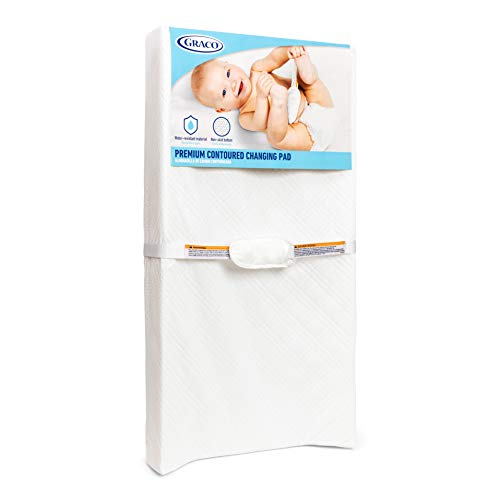
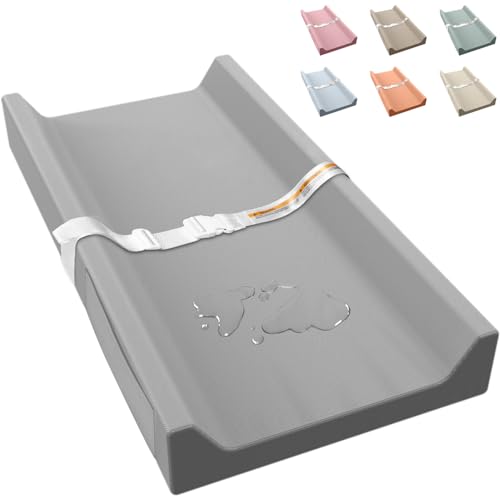
A contoured changing table pad is a padded diapering surface featuring raised sides that create a shallow, bowl-like depression in the center. Unlike flat pads, which present a level surface, a contoured design gently cradles the baby and provides a subtle positional cue that keeps a wriggling infant more centered during changes. Most models are designed to sit on top of a dedicated changing table, dresser top, or a convertible crib with changing table, and they typically include a safety strap and a waterproof outer shell.
The core purpose of a contoured pad is not to restrain the baby — no pad can do that — but to create a consistent, hygienic, and comfortable spot for diapering. Parents who change diapers dozens of times a day quickly learn that a stable, well-fitted surface reduces mess and stress. For families planning a full nursery setup, a contoured pad is often paired with a matching crib and changing table set or a convertible crib and changing table set that provides a dedicated footprint for the diapering area.
Why Choose a Contoured Pad Over a Flat One?
Both flat and contoured pads are common, and neither is inherently unsafe when used properly. The choice comes down to preference, space, and how you plan to use the pad. Here are the practical advantages that lead many parents toward a contoured design:
- Positional guidance: The raised edges give a gentle visual and physical boundary, which can help keep a baby from drifting toward the edge during a change.
- Comfort: The padded center and shaped sides often feel more comfortable for newborns and infants than a flat, firm surface.
- Containment of messes: The shallow depression helps contain minor spills and blowout residue, making cleanup easier.
- Compatibility: Many contoured pads are designed to fit standard changing tables, including models like a crib with changing table or a crib with changing table and drawers.
That said, a flat pad can be a better choice if you need a very low-profile setup or if you plan to use the pad on multiple surfaces. The key is to match the pad to your changing station and to always use the safety strap and stay within arm's reach of your baby.
Anatomy of a Quality Contoured Changing Pad
Understanding the components of a contoured pad helps you evaluate options more confidently. A well-made pad typically includes the following parts:
- Raised side walls: Usually two to four inches high, these create the contour and help keep the baby centered.
- Padded core: Foam or fiberfill that provides cushioning. Higher-tier pads tend to use denser, more supportive foam that resists flattening over time.
- Waterproof shell: A wipe-clean outer layer, often made from wipeable vinyl or a laminated fabric, that protects the core from moisture.
- Safety strap: A waist strap with a buckle that secures around the baby. This is a positioning aid, not a restraint — never leave a baby unattended on any pad.
- Non-skid base: A textured or rubberized underside that prevents the pad from sliding on the changing table surface.
- Removable cover compatibility: Many pads are designed to work with fitted fabric covers, which add comfort and are easier to launder frequently.
Materials & Surface Options
The materials used in a contoured changing pad affect durability, ease of cleaning, and how the pad feels against a baby's skin. Most pads fall into a few common categories:
| Surface Type | Best For | Notes |
|---|---|---|
| Wipeable vinyl shell | Everyday, high-mess diapering | Easy to wipe clean; durable; can feel cool against skin, so a fabric cover is often used. |
| Laminated fabric shell | Parents who want a softer feel | Water-resistant and wipeable; tends to be a mid-range option. |
| Fabric cover over waterproof core | Comfort-focused setups | Removable and machine washable; requires frequent laundering. |
| Foam core with reinforced edges | Long-term use | Denser foam holds shape better; often found in premium-tier pads. |
Whichever surface you choose, confirm that it is free of phthalates and other restricted substances. Reputable manufacturers publish material safety information, and many pads are tested to voluntary safety standards for juvenile products. If you are also setting up a full nursery, you may want to coordinate the pad with a crib with changing table and dresser or a convertible crib with changing table and drawers for a cohesive layout.
Safety Standards & Best Practices
Changing pad safety is straightforward but non-negotiable. The most important rule is simple: never leave a baby unattended on a changing table or pad, even for a moment. A contoured pad's raised sides are a convenience feature, not a fall-prevention device. Follow these best practices:
- Always use the safety strap when the baby is on the pad, and keep one hand on the baby at all times.
- Place the pad on a stable, flat surface that is rated for the pad's size. Avoid stacking the pad on soft or uneven surfaces.
- Confirm the pad does not slide. A non-skid base is essential, and the pad should fit snugly without gaps at the edges.
- Keep diapering supplies within arm's reach so you never have to step away.
- Discontinue use once the baby begins to roll or push up, and transition diapering to a floor mat or low surface.
- Check the pad regularly for cracks, tears, or worn straps, and replace it if the waterproof shell is compromised.
If your changing station is part of a larger furniture piece, such as a crib with storage and changing table or a crib with attached changing table and drawers, verify that the furniture itself is stable and meets applicable safety standards. Anchoring furniture to the wall is a standard recommendation for any nursery.
Sizing & Fit Guide
Fit matters more than most parents expect. A pad that is too small leaves gaps where a baby could become wedged; a pad that is too large may overhang the table and become unstable. Standard contoured pads are commonly around 16 inches wide by 32 inches long, but dimensions vary by manufacturer. Measure the interior of your changing table before buying, and check the product specifications carefully.
If you are building a coordinated nursery, it helps to think about the furniture as a system. A crib with changing table on left side or a crib with mattress and changing table may have a dedicated changing area with specific interior dimensions. In those cases, choose a pad that matches the manufacturer's recommended size, or use a crib with changing table that includes a pad as part of the set. For families considering a convertible option, a convertible crib with changing table can extend the furniture's useful life, but always confirm the pad fits the changing station portion.
Pre-Purchase Fit Checklist
- Measure the changing table interior length and width.
- Confirm the pad's listed dimensions match with less than an inch of gap on each side.
- Check that the safety strap length is appropriate for the pad's width.
- Verify the non-skid base covers most of the pad's underside.
- Confirm the pad is compatible with the covers you plan to use.
Market Tiers Explained
Contoured changing pads are available across a range of market positions. Rather than focusing on numbers, it helps to understand what each tier typically offers so you can match the pad to your needs and expected duration of use.
| Tier | Typical Characteristics | Best For |
|---|---|---|
| Entry-level | Basic foam core, wipeable vinyl shell, simple safety strap, modest non-skid base. | Short-term use, secondary changing station, or a spare pad for travel. |
| Mid-range | Denser foam, reinforced edges, laminated fabric or improved vinyl, stronger strap anchoring. | Primary daily use with a balance of comfort and durability. |
| Premium | High-density foam, contoured ergonomic shape, premium waterproof shell, robust non-skid base, cover compatibility. | Long-term use, comfort-focused setups, and families who want a durable primary pad. |
| Luxury / specialty | Designer fabrics, organic or specialty materials, refined construction, and coordinated nursery aesthetics. | Parents prioritizing design cohesion and premium materials. |
In practice, a mid-range pad is often the sweet spot for most families: it offers solid construction and comfort without the extras that may not matter day to day. If you plan to use the pad for multiple children or want a more polished nursery look, a premium or luxury option may be worthwhile. Whichever tier you choose, prioritize the safety features — strap anchoring, non-skid base, and waterproof integrity — over cosmetic details.
Setting Up Your Diapering Station
A contoured changing pad is only as good as the station around it. A well-organized diapering area reduces the temptation to step away mid-change and makes the routine faster and calmer. Consider these setup tips:
- Position the station away from windows and heat sources. Avoid direct sunlight and radiators, which can overheat a pad's surface.
- Keep supplies within arm's reach. Store diapers, wipes, a changing pad cover, and a spare outfit in a nearby basket or drawer.
- Use a fitted cover. A soft, machine-washable cover adds comfort and protects the pad's shell. Keep at least two covers on hand for quick swaps.
- Anchor the furniture. If the pad sits on a dresser or changing table, secure the furniture to the wall per the manufacturer's instructions.
- Add a night light. A dim, warm light helps with nighttime changes without fully waking the baby.
If your nursery layout is still in progress, you may find it helpful to review options like a crib and changing table set or a convertible crib with matching dresser to create a cohesive, functional space. For smaller rooms, a crib with changing table can consolidate furniture and free up floor space.
Cleaning & Maintenance
Regular cleaning keeps the pad hygienic and extends its useful life. The routine depends on the surface type, but a few general practices apply to nearly all contoured pads:
- Wipe daily: Use a mild soap and damp cloth on the waterproof shell, then dry thoroughly.
- Launder covers frequently: If you use fabric covers, wash them according to the label — typically in warm water with a gentle detergent.
- Avoid harsh chemicals: Bleach and abrasive cleaners can degrade the waterproof shell and cause cracking.
- Inspect for wear: Check seams, straps, and the shell monthly. Replace the pad if the waterproof layer is compromised.
- Store properly: If you store a spare pad, keep it flat and away from direct sunlight to prevent warping.
Ready to Build Your Diapering Station?
Explore our recommended contoured changing table pads and compare features, materials, and safety details to find the right fit for your nursery.
View Recommended PadsFrequently Asked Questions
What is a contoured changing table pad?
A contoured changing table pad is a diapering surface with raised sides that create a shallow depression in the center, helping to keep a baby positioned securely during changes. It typically includes a safety strap, a waterproof shell, and a non-skid base.
Are contoured changing pads safe for newborns?
Yes, when used correctly on a stable surface with a safety strap and constant adult supervision. The contoured shape adds a modest positioning benefit, but it never replaces supervision. Always keep one hand on the baby during changes.
How do I clean a contoured changing table pad?
Most pads have a waterproof, wipe-clean outer shell. Use a mild soap and damp cloth for routine cleaning, and use removable fabric covers that can be machine washed for added hygiene. Avoid bleach and abrasive cleaners.
What size contoured changing pad should I buy?
Measure the interior of your changing table or dresser top. Standard pads are typically around 16 by 32 inches, but always confirm the pad fits snugly with no gaps at the edges. Check the manufacturer's recommended size for your specific furniture.
When should I stop using a contoured changing pad?
Discontinue use once the baby begins to roll or push up, and transition diapering to a floor mat or low surface. A pad's safety strap is a positioning aid, not a restraint, and an active baby can move quickly.
Can I use a contoured pad on a dresser instead of a changing table?
Yes, provided the dresser is stable, the pad fits snugly with no gaps, and the furniture is anchored to the wall per the manufacturer's instructions. Always keep one hand on the baby and never step away.