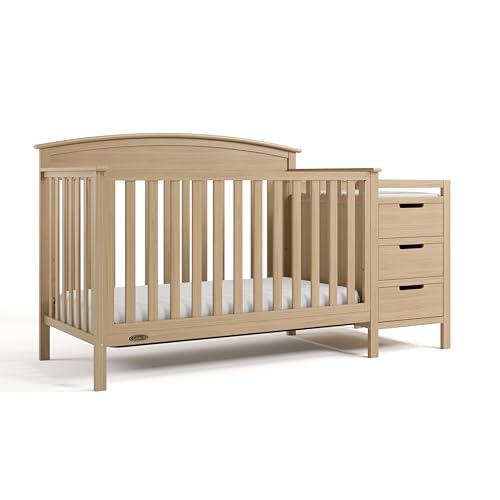
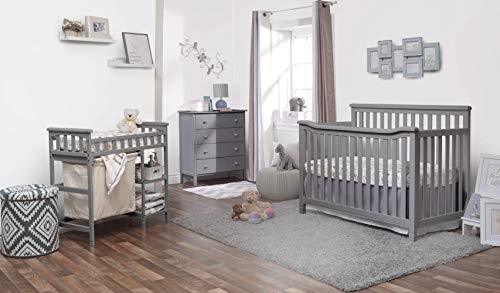
Crib with Changing Table and Dresser: The Complete Nursery Solution
Discover how an all-in-one crib, changing station, and dresser combination can simplify your nursery setup, save space, and grow with your child from newborn to toddler years.
EXPLORE THE GUIDEWhy consider a crib with changing table and dresser? For parents setting up a nursery, especially in smaller homes or apartments, a combined unit offers a coordinated look and reduces the number of separate furniture pieces you need to source. This guide walks you through the design variations, safety considerations, and practical features so you can choose with confidence.
What Is a Crib with Changing Table and Dresser?
A crib with changing table and dresser is a multifunctional nursery furniture piece that integrates three essential functions into a single footprint: a sleeping area for your baby, a dedicated changing surface, and storage drawers for clothing, diapers, and nursery essentials. These units are sometimes called 3-in-1 crib combos or all-in-one nursery centers.
Unlike buying a separate crib, crib with changing table, and standalone dresser, a combined design keeps everything within arm's reach — a practical advantage during nighttime feedings and diaper changes. Many models also convert into a toddler bed, extending the furniture's useful life well beyond the infant stage.
If you are comparing configurations, you may also encounter variations such as a crib with changing table and drawers or a convertible crib with changing table and drawers, which add storage while retaining the convertible crib functionality.
Common Configurations and Layouts
Combination units come in several layouts, and the right choice depends on your nursery dimensions and how you plan to use the space.
Side-by-Side Layout
The crib and changing station sit next to each other at a uniform height, with drawers beneath the changing surface. This is the most common arrangement and works well in rectangular rooms.
L-Shaped or Corner Layout
The changing area is positioned perpendicular to the crib, maximizing corner space. Ideal for compact nurseries where wall space is limited.
Convertible Crib Combo
The crib converts to a toddler bed or daybed, while the attached dresser and changing top remain in use. Look for models with conversion kits included or available separately.
Left-Side or Right-Side Changing Station
Some designs place the changing table on the left or right of the crib to suit your room's flow. Consider which side aligns with your diaper pail and wall outlets.
Related configurations worth exploring include the crib and changing table set, the convertible crib and changing table set, and the crib with attached changing table and drawers. If you prefer a matching aesthetic across the room, a convertible crib with matching dresser is another route to a coordinated nursery.
Key Features to Evaluate Before You Choose
When comparing models, focus on these functional attributes rather than surface aesthetics. Each feature affects daily usability and long-term durability.
- Adjustable mattress height: A crib with adjustable mattress height lets you lower the platform as your baby learns to sit and stand, reducing the risk of climbing out.
- Drawer glides: Metal ball-bearing glides with safety stops outperform plastic tracks for smooth, quiet operation over years of use.
- Changing surface depth: A changing area with raised edges or a contoured pad helps keep your baby secure during changes. Pair it with a contoured changing table pad for added comfort.
- Construction material: Solid wood and high-grade engineered wood with non-toxic finishes offer durability and peace of mind. Check for Greenguard Gold certification where available.
- Conversion capability: If you want longevity, confirm the crib converts to a toddler bed and whether a convertible crib conversion kit is included.
- Storage volume: Assess drawer depth and whether the unit includes open shelving for quick-access items like wipes and diapers.
- Footprint: Measure your nursery and account for clearance around the crib for safe sleep and easy access to the changing station.
Understanding Quality Tiers
Nursery furniture is available across a range of market positions. The table below uses universal tier descriptors to help you orient your expectations without referencing specific figures. Higher tiers generally correlate with denser wood, smoother hardware, and more refined finishing.
| Tier | Typical Construction | Best For |
|---|---|---|
| Entry-level | Engineered wood with laminate finish, plastic drawer glides | Parents seeking a functional starter setup for a first nursery |
| Mid-range | Engineered wood with solid wood accents, metal glides, multiple mattress heights | Balanced blend of durability and features for everyday use |
| Premium | Solid wood construction, dovetail or reinforced joinery, soft-close hardware | Long-term use with a convertible crib design and matching dresser |
| Luxury | Hardwood frames, hand-finished details, commercial-grade hardware | Heirloom-quality nursery furniture intended to be passed down |
Within each tier, models differ in mattress height options, drawer count, and conversion kit availability. A premium unit is not automatically the right fit if its footprint does not suit your room — prioritize dimensional compatibility before tier. If space is a constraint, consider a compact baby gear approach and verify the unit's assembled dimensions against your floor plan.
Advantages and Trade-offs
Advantages
- Consolidates three functions into one footprint, freeing floor space
- Keeps diapers, clothing, and changing supplies within reach
- Coordinated finish and design across the nursery
- Often converts to a toddler bed for extended use
- Reduces the number of separate furniture purchases and deliveries
Trade-offs
- Heavier and harder to move once assembled
- A single damaged component may affect the whole unit
- Changing station height may not suit every caregiver
- Fewer layout options compared with separate pieces
- Replacement parts can be harder to source for some brands
Safety Checklist for Crib and Changing Combos
Safety should be the first filter when evaluating any crib with changing table and dresser. Confirm the following before you commit:
- Compliance with current CPSC crib standards and JPMA certification where applicable
- Fixed (non-drop-side) rails, as drop-side cribs are no longer permitted for sale
- Slat spacing that meets the federal maximum to prevent entrapment
- A firm, snug-fitting mattress that matches the crib dimensions — see our crib mattress guide
- Changing surface with raised edges and a safety strap, used with a contoured pad
- Drawers with safety stops to prevent accidental pull-out
- Wall anchoring hardware for tall or top-heavy units
- No gaps between the changing station and crib that could trap small limbs
Always assemble according to the manufacturer's instructions, periodically check fasteners, and register the product for recall notifications. A secure crib sheet and a firm sleep surface are essential components of a safe sleep environment.
Space Planning and Room Layout
Before purchasing, sketch your nursery layout to scale. Account for the crib's length plus clearance for a rocking chair, a diaper pail, and walking paths. A combination unit can free floor space, but its overall footprint is typically similar to a crib plus a narrow dresser placed side by side.
Consider the flow of nighttime routines: the changing station should be reachable without crossing the room, and supplies should be stored in the drawers directly beneath the changing surface. If you plan to add a comfortable nursery chair for feeding and soothing, leave clearance between the chair and the crib so you can move without disturbing your baby.
For rooms with limited square footage, a combination unit is often more efficient than separate pieces because it eliminates redundant gaps and overlapping work zones. Pair it with a portable crib or bassinet for daytime use in other rooms if needed.
Conversion Options and Long-Term Use
Many combination units are built on a convertible crib platform. Understanding the conversion path helps you evaluate long-term usefulness:
- Crib stage: Birth to roughly 2–3 years, depending on the child and mattress height settings.
- Toddler bed stage: Using a conversion kit that replaces one side with a low rail.
- Daybed stage: Removing one side entirely for a sofa-style layout.
- Full-size bed stage (select models): Requires a separate conversion kit and a full-size mattress.
If longevity is a priority, confirm that the conversion kit is included at purchase or available as a stocked accessory. Our convertible crib guide covers the conversion pathways in more detail, and the convertible crib mattress guide explains what to look for in a mattress that supports multiple stages.
Coordinating With the Rest of the Nursery
A combination unit anchors the nursery visually. Choose a finish that complements your other pieces and consider how the dresser surface will be used after the changing stage ends — it often becomes a display or storage surface for toddler items.
If you are building a full suite, explore a crib with storage and changing table or a crib with mattress and changing table bundle to reduce the number of separate purchases. For rooms where the crib must sit against a specific wall, a crib with changing table on left side configuration may fit your layout better than a standard arrangement.
Assembly, Care, and Maintenance
Combination units arrive flat-packed and typically require two adults for assembly. Allow a few hours, use the provided hardware, and avoid substituting fasteners. Once assembled, anchor the unit to the wall if the manufacturer provides hardware.
- Wipe surfaces with a damp cloth and mild soap; avoid abrasive cleaners on laminate or painted finishes.
- Check drawer glides and fasteners every few months and tighten as needed.
- Inspect the changing surface barrier and safety strap regularly for wear.
- Keep the crib free of bumpers, pillows, and loose bedding to maintain a safe sleep environment.
- Register the product to receive recall alerts.
Ready to Compare Your Options?
Browse curated crib, changing table, and dresser combinations selected for safety, durability, and space efficiency.
View Recommended ProductsFrequently Asked Questions
What is a crib with changing table and dresser combo?
A crib with changing table and dresser combo is an all-in-one nursery furniture piece that integrates a crib, a changing station, and storage drawers into a single unit. These multifunctional designs are popular for smaller nurseries and parents who want a coordinated, space-efficient setup.
Are crib and changing table combos safe?
Yes, when manufactured to current safety standards. Look for JPMA certification, CPSC compliance, and features like fixed side rails, adjustable mattress heights, and sturdy changing station barriers. Always follow the manufacturer's weight limits and assembly instructions.
How long can my baby use a convertible crib with changing table?
Most convertible cribs with changing tables transition from crib to toddler bed, and some convert into a daybed or full-size bed with a conversion kit. The crib stage typically lasts from birth to around 2–3 years, while the dresser and changing station often remain useful well beyond that.
What should I look for in a crib with changing table and drawers?
Prioritize safety certifications, adjustable mattress height settings, sturdy drawer glides, a secure changing area with raised edges, and solid wood or high-grade engineered wood construction. Also consider the footprint relative to your nursery space and whether conversion kits are included.
Final Thoughts
A crib with changing table and dresser is a practical centerpiece for a well-planned nursery. By evaluating safety certifications, conversion options, drawer hardware, and footprint before you buy, you can choose a unit that supports your daily routine and adapts as your child grows. Use the feature checklist and tier table above to narrow your shortlist, and confirm the assembled dimensions against your room layout before ordering.