
The Ultimate Crib Sheets Buying Guide
Discover everything you need to know about choosing the perfect crib sheets for your baby's nursery. From material safety to proper fit, we cover it all.
When preparing your baby's nursery, one of the most important yet often overlooked items is the crib sheet. It's not just about aesthetics – the right crib sheet plays a vital role in your baby's comfort, safety, and sleep quality. With so many options on the market, from organic cotton to bamboo blends, it can be overwhelming to make the right choice. This comprehensive guide will walk you through everything you need to know to select the best crib sheets for your little one.
At CradleCheck, we believe that informed parents make the best decisions. Whether you're a first-time parent or adding to your collection, understanding the nuances of crib sheet materials, fit, and safety can make all the difference in your baby's sleep environment.
🛏️ Safe Sleep Reminder: The American Academy of Pediatrics (AAP) recommends a firm, flat sleep surface with a fitted sheet that fits snugly. Avoid loose bedding, pillows, or bumper pads in the crib to reduce the risk of SIDS. A proper crib sheet is the first step in creating a safe sleep space for your baby.
Why Crib Sheet Material Matters for Baby Sleep
Babies spend up to 16 hours a day sleeping, so the fabric that touches their delicate skin is crucial. The right material can help regulate temperature, wick away moisture, and prevent skin irritation. Here are the most common crib sheet materials and their benefits:
- Organic Cotton: Grown without harmful pesticides and chemicals, organic cotton is gentle on sensitive skin, breathable, and durable. It's the top choice for many parents due to its softness and safety profile.
- Bamboo Viscose: Naturally hypoallergenic and moisture-wicking, bamboo sheets are incredibly soft and offer excellent temperature regulation, keeping babies cool in summer and warm in winter.
- Jersey Knit: Made from cotton or a cotton blend, jersey knit is stretchy and soft, providing a cozy, t-shirt-like feel. It's a great option for active sleepers.
- Percale Weave: Crisp and cool to the touch, percale is tightly woven for durability and a matte finish. It's ideal for warmer climates.
- Muslin: Lightweight, breathable, and gets softer with each wash. Muslin is perfect for hot sleepers and is known for its signature crinkled texture.
When choosing, consider your baby's skin sensitivity, the climate in your area, and the season. For year-round comfort, many parents opt for breathable materials like organic cotton or bamboo.
Getting the Perfect Fit: Crib Sheet Sizing
One of the most critical safety aspects of a crib sheet is its fit. A loose sheet can bunch up and become a suffocation hazard. Here's what you need to know about crib sheet sizing:
- Standard Crib Mattress Size: The standard crib mattress in the US is approximately 28 inches wide by 52 inches long, with a thickness of 4 to 6 inches. Most fitted crib sheets are designed to fit this size.
- Depth of the Fitted Sheet: Ensure the fitted sheet has deep enough pockets (usually 6-8 inches) to securely wrap around the mattress. Check the product description for the maximum mattress depth it supports.
- Portable or Mini Cribs: If you're using a portable crib, you'll need sheets specifically sized for mini or portable crib mattresses. These are typically smaller and have different dimensions.
Always check the sheet's packaging or product description for exact measurements. A snug fit is non-negotiable for safety. Learn more about portable crib safety and accessories.
How Many Crib Sheets Should You Have?
Accidents happen – from diaper leaks to spit-up. Having a sufficient number of crib sheets will save you from late-night laundry stress. Most parents recommend having at least three to four fitted sheets per crib. Here's a quick breakdown:
- One on the mattress: Always have a clean sheet on the crib mattress, ready for use.
- One in the wash: Accidents require immediate changes, so having a sheet in the laundry or ready to go is essential.
- One or two in reserve: This gives you a buffer for unexpected messes or if you run into laundry day delays.
If you're on a budget or have limited storage, three sheets are a practical minimum. For convenience, four to five sheets provide peace of mind. Many brands sell crib sheet sets that include a fitted sheet and a matching top sheet or crib skirt, which can be a cost-effective way to build your collection.
Caring for Your Crib Sheets
To keep your crib sheets soft, clean, and free from irritants, follow these care tips:
- Pre-wash before first use: This helps to soften the fabric and remove any residual manufacturing chemicals or sizing.
- Use a gentle, fragrance-free detergent: Baby skin is sensitive, so opt for mild, hypoallergenic detergents. Avoid bleach and fabric softeners, as they can break down fibers and reduce breathability.
- Wash in warm water: Warm water (not hot) is usually sufficient for cleaning. Hot water can shrink cotton sheets and damage elastic.
- Dry on low heat or air-dry: High heat can damage elastic, shrink sheets, and increase pilling. Tumble dry on low or hang to dry for the best longevity.
Organic vs. Conventional Crib Sheets
One of the biggest debates is whether to invest in organic crib sheets. Here's a breakdown to help you decide:
- Organic Cotton: Certified organic cotton is grown without synthetic pesticides or fertilizers, making it better for the environment and baby's sensitive skin. It's often softer and more durable. Expect to pay a premium, but many parents consider it a worthwhile investment for their baby's health.
- Conventional Cotton: While more affordable, conventional cotton may contain traces of pesticides and chemicals used during growing and processing. However, it can still be a good option if you're on a budget, especially if you wash the sheets thoroughly before use.
- Other Eco-Friendly Options: Bamboo is a highly renewable resource and many bamboo sheets are produced with eco-friendly processes. Lyocell (made from wood pulp) is another sustainable choice known for its softness.
Ultimately, the choice depends on your budget and preferences. For parents concerned about chemicals and allergies, organic crib sheets are often the preferred choice.
Top Features to Look for in a Crib Sheet
Beyond material and size, here are some features that can make a crib sheet stand out:
- All-around elastic: A fitted sheet with elastic that goes all the way around provides a tighter, more secure fit than sheets with elastic only in the corners.
- Breathability: Look for materials that allow for good air circulation to prevent overheating, especially if your baby is a hot sleeper.
- Wrinkle-resistant fabric: This isn't a necessity, but it can save you time and make your nursery look more polished.
- Hypoallergenic certifications: Look for sheets that are certified by OEKO-TEX or GOTS (Global Organic Textile Standard) to ensure they are free from harmful substances.
- Easy-care instructions: Machine-washable and dryer-friendly sheets will save you time and effort in the long run.
Crib Sheets as a Nursery Decor Element
While safety and comfort are paramount, crib sheets are also a fantastic way to inject personality into your nursery. They come in a wide array of colors, prints, and themes, from whimsical animals to modern geometric patterns. Changing your crib sheet is one of the easiest and most affordable ways to refresh the look of the nursery without a complete overhaul.
Many parents like to coordinate crib sheets with other nursery items like baby mobiles, baby blankets, or changing pad covers. For a cohesive look, choose a sheet that complements your overall color palette and décor theme. For example, a boho-themed nursery might feature a soft, neutral-toned muslin sheet, while a vibrant, playful room could showcase a colorful patterned sheet.
Budgeting for Your Crib Sheets
Crib sheets are available in a wide price range to suit every budget. Here's what you can expect to pay:
- Budget-friendly: Basic cotton or polyester blend sheets can cost around $15–$25. These are functional but may not last as long or be as soft as higher-end options.
- Mid-range: High-quality cotton or bamboo sheets typically range from $25–$45. This range offers a good balance of quality, softness, and durability.
- Premium: Organic cotton or luxury bamboo sheets from well-known brands can cost $45–$75+. These often have superior softness, long-lasting quality, and sustainable certifications.
Given that a good crib sheet can last through the toddler years (if you transition to a toddler bed), investing in a few high-quality sheets is often wise. You can also mix and match – have a premium sheet for the main sleep surface and more budget-friendly options as backups.
Best Crib Sheets for Safe & Comfortable Sleep
⚠️ AFFILIATE DISCLOSURE: This website contains affiliate links. As an Amazon Associate, we earn from qualifying purchases. If you make a purchase through these links, we may receive a small commission at no additional cost to you. Read our full affiliate policy.

GUNTAIL Baby Crib Sheets for Boys Girls, 2 Pack Fitted Crib Sheet for Standard Crib and Toddler Mattress, Soft Microfiber Baby Sheet 52x28x8in (Brown & Green)

Yoofoss 2-Pack Baby Crib Sheets for Boys Girls 52x28 (Green+Leaf)
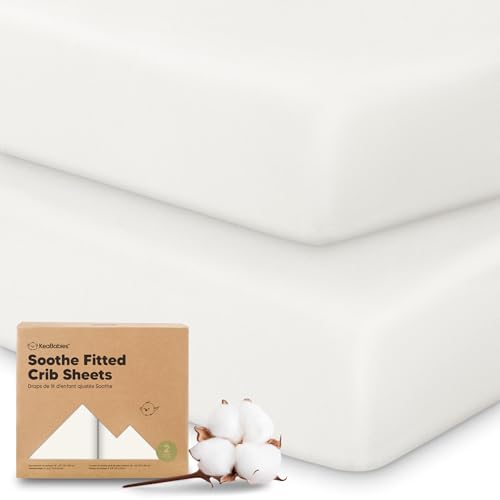
KeaBabies 2pk Organic Cotton Crib Sheets for Boys Girls 52x28, Soft White

FIEMOL Baby Crib Sheets Girl, 3 Pack Toddler Bed Sheets Fitted 52”x28”
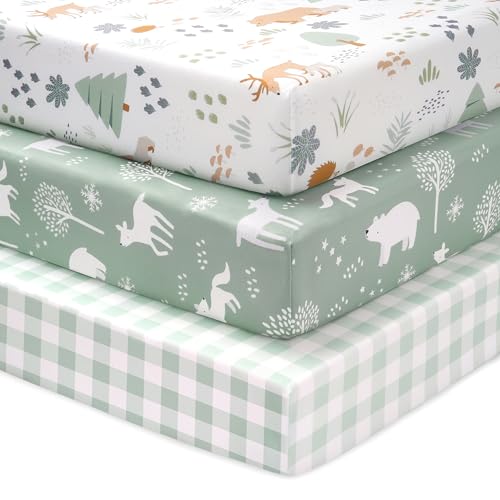
FIEMOL Baby Crib Sheets for Boys, 3 Pack Fitted Crib Sheets Neutral 52”x28”
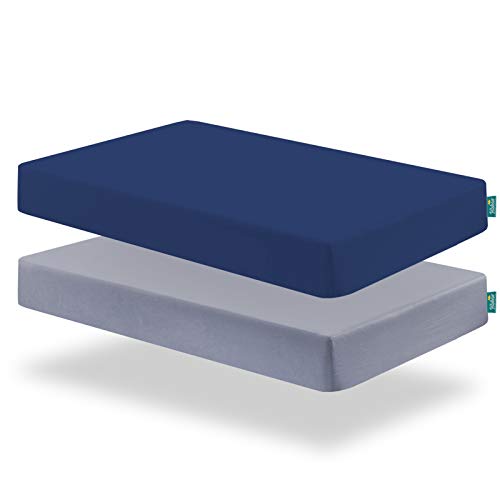
Crib Sheets Fitted for Boys, Neutral Toddler Bed Sheets Girl, 2 Pack
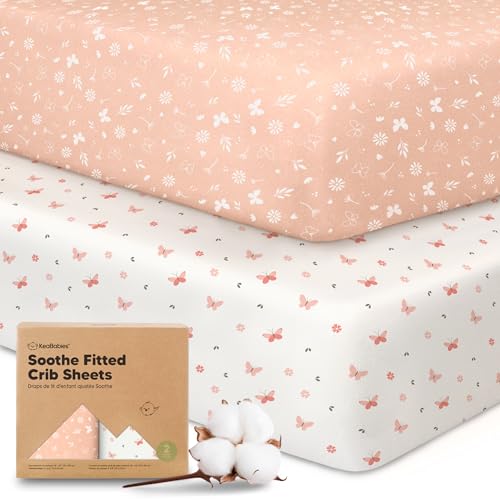
KeaBabies 2pk Organic Cotton Crib Sheets for Boys Girls 52x28, Butterflies

Konssy 2 Pack Muslin Crib Sheets for Standard Crib Mattress, 52" x 28"
Disclaimer
Baby product selection and parenting decisions involve personal preferences and individual circumstances. The information provided on CradleCheck is for educational and informational purposes only. We are not medical professionals, and our content should not replace professional medical advice, diagnosis, or treatment. Always consult with your pediatrician or healthcare provider regarding your baby's health and safety. Some content may use AI assistance. Always check product safety standards and recalls before purchasing. If you do not agree, please do not use this website. Read the full disclaimer.