Bed for Infant Sleeping with Parents: A Complete Guide
Explore safe, practical options for keeping your baby close at night. Compare bedside bassinets, co-sleeper beds, and room-sharing setups so you can make an informed decision for your family.
EXPLORE SAFE OPTIONSWhy Parents Choose Bedside Sleeping
Many new parents look for a bed for infant sleeping with parents because it supports nighttime feeding, easier monitoring, and stronger bonding. Room-sharing, where the baby sleeps in the same room but on a separate surface, is recommended by major pediatric organizations as a way to reduce sleep-related risks while keeping the baby within arm's reach.
A well-designed bedside sleeper or co-sleeper bed lets you respond to nighttime hunger cues quickly, which can be especially helpful during the early weeks of breastfeeding. It also reduces the need to walk to a separate nursery multiple times each night, helping parents get more rest between feeds.
That said, closeness should never come at the expense of safety. The choice between a bedside bassinet, a bassinet that attaches to bed, or a co-sleeper bassinet matters, and so does how you use it. The sections below break down the options and the safety rules that should guide your decision.
Safe Sleep Guidelines You Must Know
Before comparing products, it helps to understand the safety principles that apply to any bed for infant sleeping with parents. These guidelines come from widely recognized pediatric safe sleep recommendations and should be discussed with your pediatrician, especially if your baby was born premature or with low birth weight.
- Firm, flat surface: The sleep surface should be firm and flat, with a tightly fitted sheet. Avoid soft mattresses, pillows, quilts, and loose bedding.
- No soft objects: Keep bumpers, pillows, stuffed animals, and blankets out of the baby's sleep area.
- Back sleeping: Always place the baby on their back for sleep.
- Separate surface: For the first months, the baby should sleep on a separate surface designed for infants, not on an adult mattress.
- Room-sharing: Keep the baby's sleep surface in the parents' room, ideally for the first six months.
- Avoid overheating: Dress the baby in light layers and keep the room at a comfortable temperature.
- No smoking or sedatives: Bed-sharing is especially risky if parents smoke or use sedatives, alcohol, or drugs that affect alertness.
If your goal is to keep your baby close while following safe sleep guidance, a dedicated infant sleep surface placed beside the adult bed is usually the more protective choice. Products such as a bedside sleeper bassinet or a bedside bassinet with a drop-down side are built for this purpose.
Types of Beds for Infant Sleeping with Parents
There are several product categories designed to keep an infant close at night. Each has different trade-offs in terms of access, portability, and how long your baby can use it. The table below compares them at a high level using tier descriptors rather than numerical figures.
| Type | Best For | Access Level | Typical Tier |
|---|---|---|---|
| Bedside bassinet | Newborns and early months; frequent night feeds | High — usually has a drop-down side | Essential to mid-range |
| Co-sleeper bed / bedside sleeper | Parents who want the sleep surface flush with the adult bed | Very high — side panel lowers or opens | Mid-range to premium |
| Bassinet that attaches to bed | Small bedrooms and travel; quick attachment | High — attaches with straps or brackets | Mid-range |
| Standalone bassinet | Room-sharing without direct bed attachment | Moderate — placed near the bed | Starter to mid-tier |
| Play yard with bassinet insert | Multi-use setups; daytime and nighttime | Moderate — insert sits higher | Mid-range |
Bedside Bassinets
A bedside bassinet for newborn is one of the most common choices for the first months. These units typically feature a mesh side that can be lowered so you can reach your baby without getting out of bed. Many models include adjustable height settings so the bassinet aligns with the adult mattress.
Co-Sleeper Beds and Bedside Sleepers
A co-sleeper bed, sometimes called a bedside sleeper, is designed to sit flush against the adult bed with one side open or lowered. This gives parents very close access while keeping the infant in a separate, enclosed space. Popular examples include the Beside Me Dreamer bassinet and bedside sleeper and the Beside Me Doze Deluxe bedside bassinet. If you want a broader comparison, our guide to the best co-sleeper bassinets covers the key differences between models.
Bassinets That Attach to the Bed
A bassinet that attaches to parents' bed uses straps or a bracket system to secure the unit against the adult bed frame. These are a good fit for parents who want a secure connection but also need to detach the bassinet for daytime use or travel. Check that the attachment method is compatible with your bed frame and that the unit cannot tip or slide.
Bedside Bassinets with Extra Features
Some parents need more than a simple sleep surface. A bedside bassinet with changing table combines overnight sleep and diaper changes in one footprint, which can be helpful in smaller rooms. A bedside bassinet with drop-down side focuses on easy access for night feeds and comforting.
Multi-Use Options
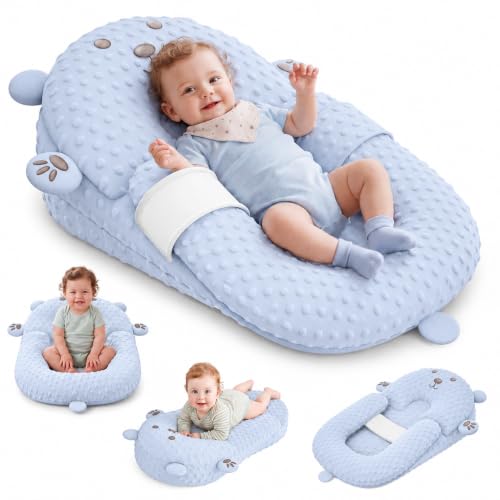
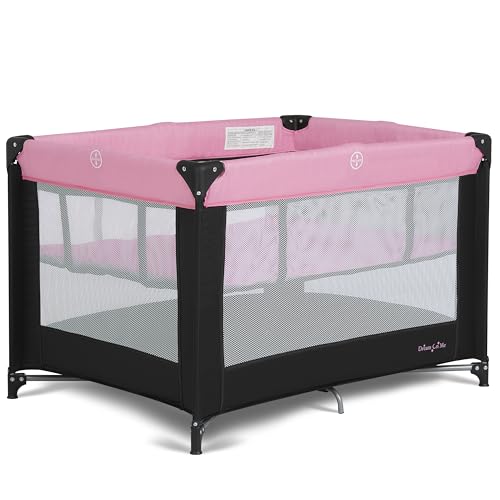
If you want a sleep surface that also works for daytime supervised lounging, a baby lounger can be a useful complement, though it is not a substitute for a firm, flat sleep surface. Similarly, a baby play yard with a bassinet insert can serve as a secondary bedside sleep spot in a pinch, provided you follow the manufacturer's instructions.
Key Features to Compare
When you compare a bed for infant sleeping with parents, focus on the features that affect safety, usability, and longevity. The list below covers the most important considerations.
- Firm, flat mattress: The sleep surface should be firm and flat, with no gaps between the mattress and the frame.
- Breathable mesh sides: Mesh panels improve airflow and let you see your baby without leaning over.
- Secure attachment: If the unit attaches to the adult bed, check that the straps or brackets are sturdy and compatible with your bed frame.
- Adjustable height: Height settings let you align the bassinet with your mattress, which is important for safe access.
- Stable base: A wide, stable base reduces tipping risk, especially if you have other children or pets in the room.
- Easy assembly and cleaning: Removable, washable fabrics make nighttime accidents easier to manage.
- Weight and age limits: Always follow the manufacturer's limits and transition your baby out when they are reached.
How to Set Up a Safe Bedside Sleep Space
Even the best product can be unsafe if it is set up incorrectly. Follow these steps to create a safer bedside sleep space:
- Position the sleep surface: Place the bassinet or co-sleeper next to the adult bed with no gaps between the two. If the unit attaches to the bed, follow the manufacturer's instructions exactly.
- Check the mattress fit: The mattress should fit snugly in the frame with no gaps at the edges. Use only the sheet designed for the unit.
- Remove soft items: Keep pillows, blankets, bumpers, and toys out of the baby's sleep area.
- Secure the straps: If the unit uses straps to attach to the adult bed, tighten them and confirm they cannot loosen overnight.
- Test stability: Gently push the unit to confirm it does not tip or slide. Keep the base clear of clutter.
- Check the height: The top of the bassinet side should be at a height that lets you reach your baby easily without leaning into the sleep area.
- Keep cords and cords away: Baby monitors and lamp cords should be at least a few feet away from the sleep surface to avoid strangulation hazards.
For more on creating a safe sleep environment, see our guides on nursery bedding for baby sleep and bassinet bedding sets.
When and How to Transition
Most bedside bassinets and co-sleeper beds are designed for the first several months. Transition your baby to a crib or larger sleep surface when they reach the manufacturer's weight or age limit, or when they begin to roll over, sit up, or push up on their hands and knees — whichever comes first.
To make the transition smoother:
- Introduce the new sleep surface gradually, starting with naps.
- Keep the same bedtime routine and sleep environment cues.
- Place the crib in the same room if possible, so the baby stays close during the adjustment.
- Continue to follow safe sleep guidelines in the new sleep space.
If you are planning ahead for the next stage, our bassinet buying guide and bedside bassinet overview can help you compare options.
Ready to Choose a Safer Bedside Sleep Setup?
Explore our recommended products below to compare features, tiers, and designs for a bed for infant sleeping with parents.
VIEW RECOMMENDED PRODUCTSFrequently Asked Questions
Is it safe for an infant to sleep in the same bed as parents?
Bed-sharing carries risks, especially for infants under four months, premature babies, and low birth weight babies. The safest approach is to place the baby in a separate sleep surface, such as a bedside bassinet, within the same room as parents. Always follow safe sleep guidelines and consult your pediatrician.
What is the difference between a bedside bassinet and a co-sleeper?
A bedside bassinet is a standalone sleep surface placed next to the parents' bed, often with a drop-down side for easy access. A co-sleeper bed is designed to attach or sit flush against the adult bed, allowing close proximity while keeping the baby in a separate, enclosed space.
When should a baby stop sleeping in a bedside bassinet?
Most bedside bassinets are designed for babies up to around five months or until the baby can roll over, sit up, or push up on their hands and knees. Always check the manufacturer's weight and age limits and transition to a crib once the baby outgrows the bassinet.
What features should I look for in a bed for infant sleeping with parents?
Look for a firm, flat mattress, breathable mesh sides, a secure attachment system, adjustable height to match your bed, and a sturdy frame. Avoid soft bedding, bumpers, and loose items inside the sleep area.
Can I use a regular adult mattress for my infant?
Adult mattresses are generally too soft for infants and can create suffocation and entrapment hazards. A dedicated infant sleep surface with a firm, flat mattress is the safer choice for nighttime sleep.
Related Guides
Explore more resources to help you prepare a safe and comfortable sleep space for your baby: