Bedside Bassinet Buying Guide & Safety Tips
Discover the safest and most comfortable bedside bassinets for co-sleeping. Our expert guide helps you choose the perfect sleeper for your newborn.
Shop Top Bedside BassinetsWhat Is a Bedside Bassinet?
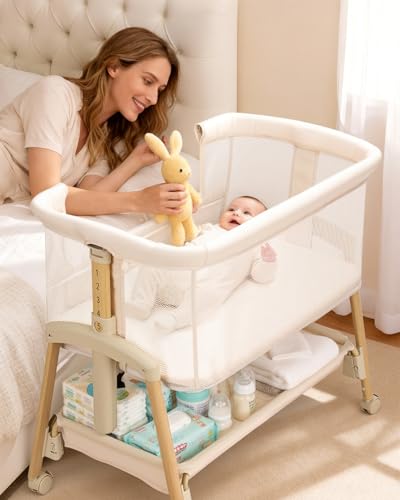
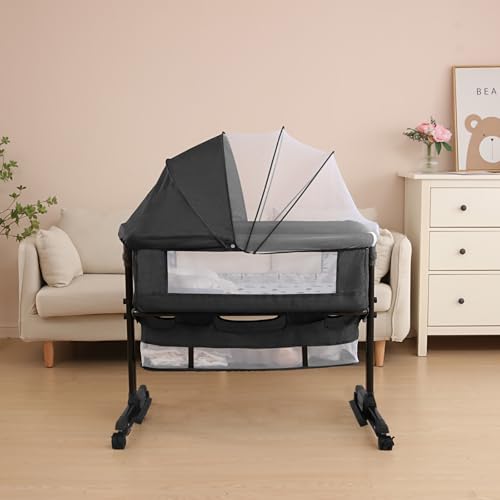
A bedside bassinet (also known as a co-sleeper bassinet) is a specially designed sleeping space for newborns that attaches securely to the parent's bed. This setup allows your baby to sleep safely beside you while maintaining their own separate sleeping surface.
Unlike traditional bassinets, bedside models feature an adjustable side panel or drop-down rail that brings your baby closer for nighttime feedings and comforting. This design promotes safe co-sleeping practices while significantly reducing the risk of Sudden Infant Death Syndrome (SIDS) and accidental suffocation.
Pediatricians and sleep experts generally recommend using a bedside bassinet during the first 4-6 months of life, or until your baby starts rolling over independently. If you're preparing for your newborn milestones and want to ensure safe sleep practices, a bedside bassinet is an excellent investment for your nursery furniture collection.
Why Choose a Bedside Bassinet?
🛏️ Safe Co-Sleeping
Keep your baby close without sharing your bed. Reduces SIDS risk while making nighttime feedings easier.
👶 Breastfeeding Convenience
Perfect for nursing mothers. Simply reach over, feed your baby, and settle them back to sleep without getting out of bed.
🔄 Adjustable Height
Most bedside bassinets feature adjustable legs to match your bed height perfectly, ensuring a seamless transition.
🧳 Portability
Many models are lightweight with wheels, making it easy to move from bedroom to living area. Some even function as a portable bassinet for travel.
Beyond these benefits, a bedside bassinet helps strengthen the parent-child bond while maintaining safe sleep guidelines. For more tips on creating a safe sleep environment, check out our guide on newborn flat head prevention and swaddle blankets for newborns.
What to Look For in a Bedside Bassinet
Choosing the right bedside bassinet involves evaluating several key factors. Here's what you need to consider:
Safety Standards
Always ensure your bassinet meets current safety standards set by the Consumer Product Safety Commission (CPSC). Look for JPMA certification and check for any product recalls before purchasing. A newborn car seat and convertible crib should also meet similar safety standards for your baby's overall well-being.
Adjustable Height
This is arguably the most important feature. Your bassinet should have a height adjustment range of at least 4-6 inches to accommodate different bed heights. When properly adjusted, the bassinet's sleeping surface should be level with or slightly lower than your mattress.
Side Panel Design
Some models feature a drop-down side panel with a push-button mechanism, while others use a zipper system. Consider which design is easiest for you to operate one-handed while holding your baby. A bassinet stroller may have similar mechanisms worth considering for your travel needs.
Mattress Quality
Look for a firm, flat mattress with a waterproof cover. The mattress should fit snugly inside the bassinet with no gaps around the edges. Avoid memory foam or pillow-top mattresses for infants.
Ventilation & Breathability
Mesh sides or breathable fabric allows better airflow and lets you see your baby easily from your bed. This feature also helps in preventing overheating, which is a risk factor for SIDS. If you're concerned about your baby's comfort, you might also want to explore toddler mattress options for when they outgrow their bassinet.
Weight Capacity
Most bedside bassinets support babies up to 20-25 pounds or until they can push up on their hands and knees. Knowing this limit helps you plan for the transition to a crib. When your baby outgrows their bassinet, consider moving them to a toddler floor bed for a smooth transition.
Wheels & Mobility
Lockable wheels make it easy to position the bassinet securely. They also allow you to move the bassinet throughout the day for daytime naps, so you can keep an eye on your little one while you move around the house. A jogging stroller and compact stroller also benefit from good wheel mobility for outdoor activities.
Storage & Convenience
Many bedside bassinets come with built-in storage pockets or shelves. These are perfect for keeping essentials like diapers, wipes, and a change of clothes within arm's reach. You might also find a diaper bag backpack useful for organizing baby essentials when you're on the go.
💡 Pro Tip: Always measure your bed height before purchasing a bedside bassinet. Most models accommodate beds ranging from 20 to 26 inches high. If your bed is higher or lower, look for models with extended height ranges or consider purchasing a compatible bed riser.
Types of Bedside Bassinets Compared
Understanding the different types of bedside bassinets can help you make an informed decision. Here's a comparison of the main options available:
| Feature | Standard Bedside | Convertible Bedside | Travel Bedside | Rolling Bedside |
|---|---|---|---|---|
| Adjustable Height | Yes (3-4 settings) | Yes (5+ settings) | Limited (2-3 settings) | Yes (multiple) |
| Side Panel | Drop-down | Drop-down + Zipper | Zipper only | Drop-down or Zipper |
| Weight Capacity | 20-25 lbs | 25-35 lbs | 15-20 lbs | 22-30 lbs |
| Portability | Moderate | Moderate | Excellent | Good (wheels) |
| Storage | Basic (1-2 pockets) | Multiple pockets | Minimal | Multiple + Shelf |
| Typical Price Range | $80–$200 | $150–$350 | $60–$150 | $100–$250 |
For families who travel frequently, a portable bassinet might be a better alternative. If you plan to use the bassinet beyond the newborn stage, a convertible option is worth the investment. Consider pairing your bassinet with other baby gear like a baby monitor camera and infant changing pad for a complete nursery setup.
Important Safety Guidelines for Bedside Bassinets
Following these safety guidelines ensures your baby sleeps safely every night:
- Never place pillows, blankets, or stuffed toys in the bassinet – these can pose suffocation risks.
- Always place your baby on their back to sleep, in accordance with safe sleep guidelines.
- Ensure the bassinet is level and doesn't tilt, as an uneven surface can cause rolling.
- Position the bassinet away from curtains, blinds, or any cords that could pose strangulation hazards.
- Check that all straps and attachments are secure before each use, especially if you're using a car seat stroller attachment.
- Stop using the bassinet when your baby starts pushing up on their hands and knees or reaches the weight limit.
- Maintain your bassinet according to the manufacturer's instructions – regular cleaning and inspection are essential.
- Never smoke or allow smoking near the bassinet.
- Keep the bassinet away from heaters, radiators, and direct sunlight.
When you're ready to transition your baby from their bassinet, you might want to start sleep training baby in their crib. Our guides on potty training tips and newborn highchair can help you prepare for upcoming milestones.
⚠️ Important Reminder: The American Academy of Pediatrics (AAP) recommends room-sharing (but not bed-sharing) for at least the first 6 months, ideally the first year. A bedside bassinet is the perfect solution for safe room-sharing.
How to Maintain Your Bedside Bassinet
Proper care extends the life of your bedside bassinet and ensures a clean, safe sleeping environment:
- Wash the mattress cover regularly – most covers are machine-washable. Use a gentle, fragrance-free detergent.
- Wipe down the frame and plastic parts with a mild soap solution and a soft cloth. Avoid harsh chemicals.
- Check the locking mechanisms for wear and tear. Replace any damaged parts immediately.
- Air out the bassinet regularly to prevent musty odors.
- Inspect for loose screws or wobbling – tighten as needed to prevent accidents.
If you're also using other baby gear, you might want to check our guides on glass baby bottles and baby bottle warmer for feeding essentials. For diaper changes, a diaper rash cream and disposable diapers are must-haves.
When to Transition from Bedside Bassinet to Crib
Knowing when to move your baby from a bassinet to a crib is essential for their safety and development. Here are the signs it's time to transition:
- Your baby reaches the maximum weight limit (typically 20-25 pounds).
- Your baby starts rolling over or showing signs of pushing up on hands and knees.
- Your baby seems cramped or restless in the bassinet.
- Your baby is 4-6 months old – most pediatricians recommend transitioning by this age.
When your baby outgrows their bassinet, you have several options. You can move them to a convertible crib that grows with your child, or even a toddler floor bed if they're ready for a more independent sleep setup. Our guide on toddler bedding set can help you choose the right bedding for your little one's new sleeping space.
💡 Transition Tip: Make the transition gradual by placing the crib in your room for a few weeks before moving it to your baby's nursery. This helps your baby adjust to the new sleep environment while maintaining the comfort of your presence.
For other baby gear transitions, you might also want to read about baby led weaning and potty training boys for your child's developmental journey.
Frequently Asked Questions About Bedside Bassinets
Are bedside bassinets safe for newborns?
Yes, when used according to manufacturer guidelines and safety standards. Ensure the bassinet meets CPSC requirements, the mattress is firm and snug-fitting, and you follow all safe sleep practices. The AAP specifically recommends room-sharing using a bedside bassinet as a safer alternative to bed-sharing.
Can I use a bedside bassinet for twins?
Most standard bedside bassinets are designed for single babies. For twins, it's safer to use two separate bassinets placed side by side, or purchase a twin-specific bassinet designed for multiple babies with proper safety features.
What's the difference between a bassinet and a bedside bassinet?
A traditional bassinet is a freestanding sleeping space that can be placed anywhere in the room. A bedside bassinet features an adjustable side panel and height-adjustable legs designed specifically to attach to or sit directly beside the parent's bed, allowing for easier nighttime access.
How long can a baby sleep in a bedside bassinet?
Most babies can sleep in a bedside bassinet until they're 4-6 months old, or until they reach the weight limit (usually 20-25 pounds). Always check your manufacturer's guidelines, and stop using the bassinet when your baby shows signs of rolling or pushing up.
Can I use a bedside bassinet as a travel bassinet?
Some bedside bassinets are designed to be portable and can double as travel bassinets. Check the weight and foldability of your bassinet if you plan to travel with it. For more portability, you might consider a dedicated portable bassinet or a bassinet stroller for your travel needs.
What should I look for in a bedside bassinet mattress?
Look for a firm, flat mattress that fits snugly within the bassinet frame with no gaps. The mattress should be made of breathable materials and have a waterproof, removable cover for easy cleaning. Avoid memory foam or pillow-top mattresses for infants. For more sleep tips, read our guide on newborn sleep guide.
Your Perfect Bedside Bassinet Awaits
Choosing the right bedside bassinet is one of the most important decisions you'll make as a new parent. It impacts your baby's safety, your sleep quality, and your overall experience during those precious early months.
Remember to prioritize safety features like stability, breathable materials, and compliance with safety standards. Consider your lifestyle and needs – do you travel frequently? Do you have a high bed that requires extra height adjustment? Are you planning to use the bassinet as a multi-purpose item?
Once you've found the perfect bedside bassinet, you can pair it with other baby essentials like a baby monitor camera, a diaper bag backpack, and comfortable swaddle blankets to complete your sleep setup.
We've researched and curated the best bedside bassinets available today. Our selections below meet strict safety standards and offer excellent value for money. Whether you're looking for a budget-friendly option or a premium convertible bassinet, you'll find the perfect match for your family's needs.
Take your time reviewing the options below, and don't hesitate to read customer reviews and ratings for real-world insights. If you have any questions, feel free to explore our other guides on baby gear, nursery decor, and maternity care for more information.