Bedside Bassinet With Changing Table: The Complete Buying Guide
Keep your newborn close through the night and handle diaper changes without leaving the room. Learn how a bedside bassinet with changing table combines safe sleep and practical care in one compact station.
Explore Top PicksWhat Is a Bedside Bassinet With Changing Table?
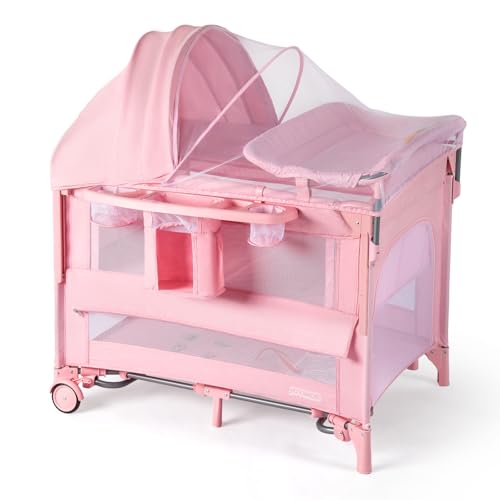
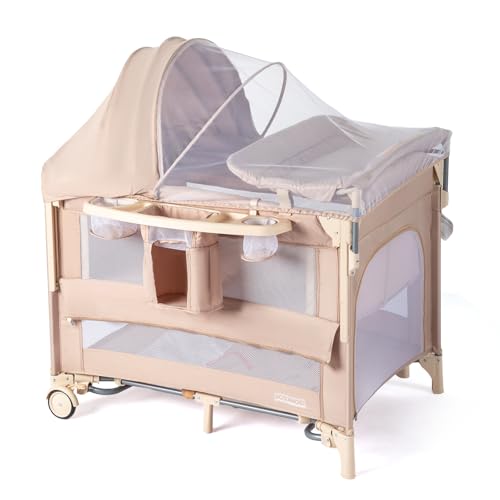
A bedside bassinet with changing table is a two-in-one nursery station. One side is a bassinet that attaches to or sits flush against the parents' bed, allowing easy access for nighttime feeding and comforting. The other side features a flat, wipe-clean changing surface with raised edges, often with storage underneath for diapers, wipes, and creams. Some models use a drop-down side for easier access, while others are standalone units that sit beside the bed. For parents who want the convenience of a bedside bassinet without giving up a dedicated changing area, this hybrid design is a practical solution.
Key Benefits for New Parents
Nighttime Convenience
Handle diaper changes and night feeds without walking to a separate nursery. Everything you need is within arm's reach, which matters most in the first weeks.
Space Efficiency
A combined unit saves floor space compared to a separate bassinet and changing table. Ideal for smaller bedrooms or shared sleeping arrangements.
Safe Sleep Access
Keeping baby close supports breastfeeding and monitoring. Many models meet current safe-sleep guidelines when used as directed.
Organized Storage
Built-in shelves and pockets keep diapers, wipes, and clothing organized, so changes are quick and mess-free.
Features That Matter Most
- Adjustable height and bedside attachment: Look for models that align with your mattress height and offer a secure strap or bracket system.
- Drop-down or mesh side: A breathable mesh side improves airflow and lets you reach baby easily. See our guide to a bedside bassinet with drop-down side for more detail.
- Sturdy changing surface: A flat, wipe-clean pad with raised edges and a safety strap is essential. Avoid surfaces that slope or lack containment.
- Storage and organization: Shelves, pockets, or a small drawer help keep essentials at hand.
- Portability: Locking casters or a lightweight frame make it easier to move between rooms.
- Easy assembly and cleaning: Removable, machine-washable fabrics and a tool-free setup simplify maintenance.
Safety Standards and Best Practices
Always check that the bassinet meets current safety standards, including a firm, flat sleep surface and breathable materials. The changing area should have a raised perimeter and a safety strap. Never leave a baby unattended on the changing surface, even for a moment. Follow the manufacturer's weight and age limits, and discontinue bassinet use once baby can roll over or push up. For a deeper look at safe bedside sleepers, read our guide on a bedside bassinet for newborn and our overview of the best co-sleeper bassinets.
Comparing Product Tiers
Bedside bassinets with changing tables fall into three broad tiers. Use this table to match features to your priorities.
| Tier | Best For | Typical Features |
|---|---|---|
| Essential tier | Parents who want core functionality | Basic bedside attachment, fixed changing pad, minimal storage |
| Mid-tier | Families seeking balance and convenience | Adjustable height, drop-down mesh side, storage pockets, locking casters |
| Premium tier | Those who want a long-term investment | Premium materials, smooth-glide rocking mode, larger changing surface, extended warranty |
Setup and Placement Tips
Position Near the Bed
Place the bassinet side flush with your mattress, following the manufacturer's gap guidance. Ensure no gaps where baby could become trapped.
Clear the Changing Area
Keep the changing surface free of loose items. Store supplies in designated pockets or shelves, not on the pad.
Check Stability
Lock casters once positioned. Verify the frame does not wobble and that straps or brackets are secure.
Related Guides
Explore more resources to complete your nursery setup: compare a bassinet that attaches to bed, review a bassinet that attaches to parents bed, or learn about a bedside sleeper bassinet. For a broader overview of baby gear, visit our baby gear hub and our baby registry checklist.
Frequently Asked Questions
How long can my baby use a bedside bassinet with changing table?
Most bassinets are suitable until baby reaches the manufacturer's weight limit or begins to roll over, typically around 4 to 6 months. Always follow the specific model's guidelines.
Is it safe to use the changing table while baby is sleeping?
Yes, as long as the changing area is separate from the sleep surface and you never leave baby unattended on the changing pad. Keep one hand on baby at all times.
Can I use a standard changing pad on these units?
Use only the pad provided or one specified by the manufacturer. Aftermarket pads may not fit securely and could create gaps or instability.
Do I need a separate changing table if I have this combo?
Not necessarily. A bedside bassinet with changing table can serve as your primary changing station during the newborn stage. Many parents later transition to a dedicated changing table as baby grows.